




Choosing between a manual or automatic car is one of the most practical decisions you'll make when buying your next vehicle, trust us. Fuel efficiency, purchase cost, and licensing rules shift depending on which you pick and so does your real-world driving comfort. We've broken down every trade-off so you can choose the transmission that genuinely fits how and where you drive.
What is the difference between automatic and manual transmission?
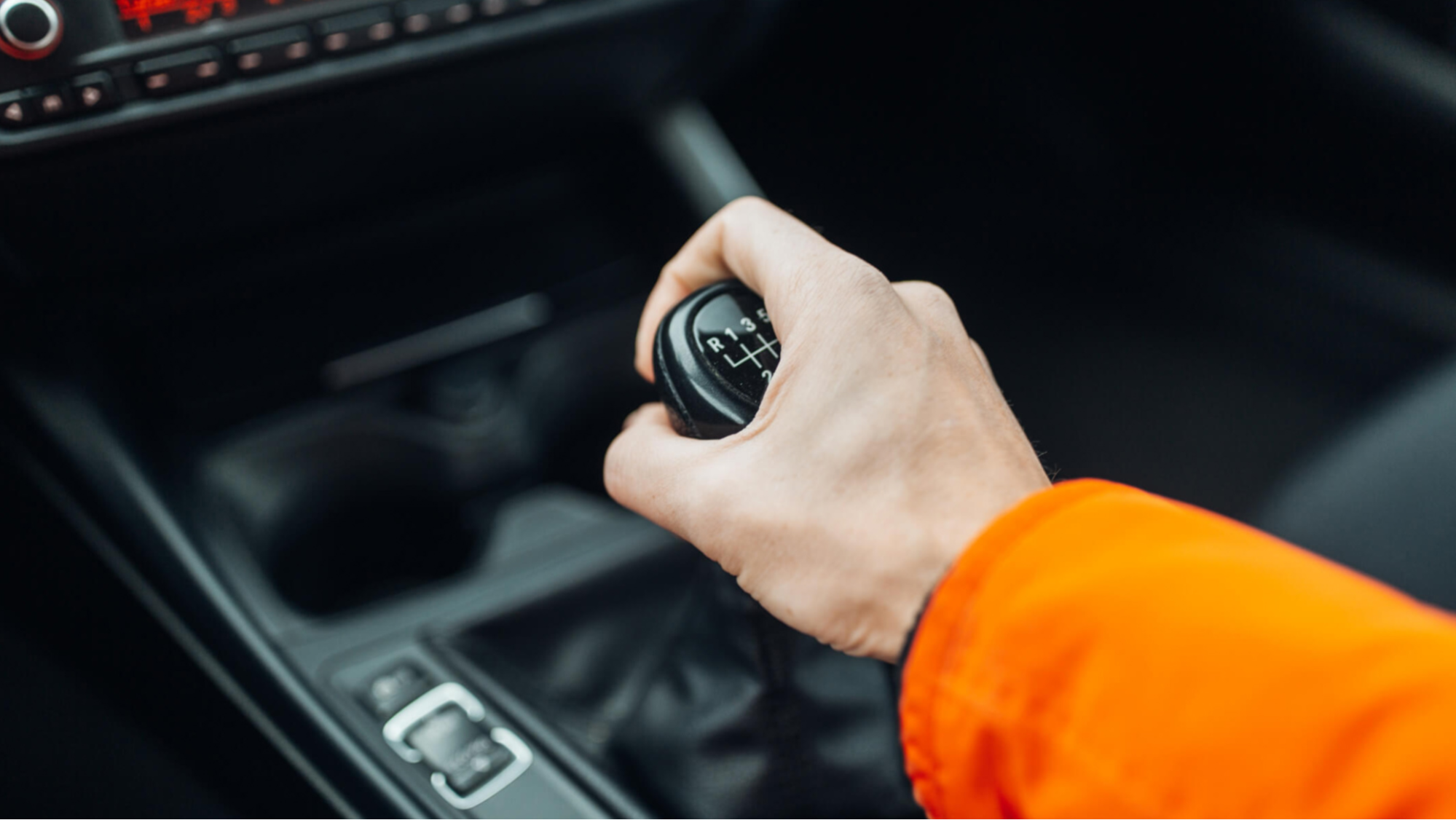
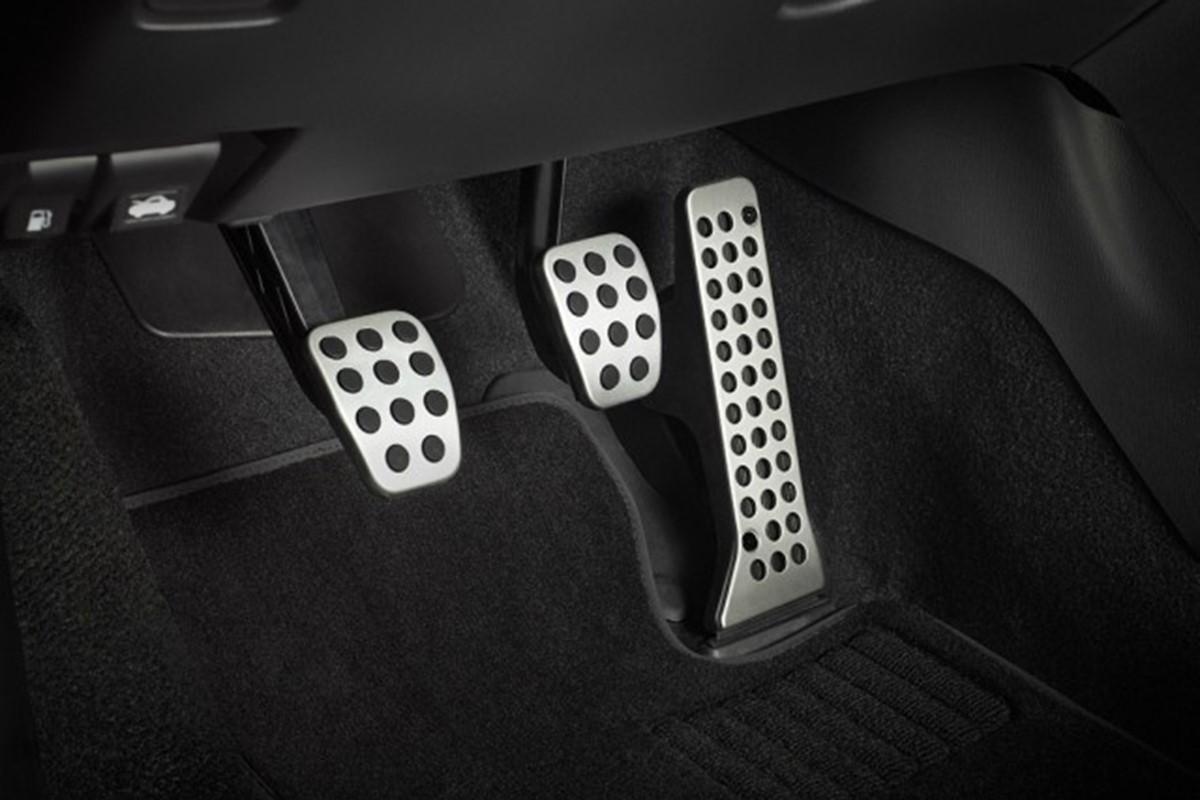
A manual transmission is a gear system you operate yourself, moving the gear stick and pressing the clutch pedal to select the right ratio for your speed.
An automatic does that job for you, changing gears in response to how fast you're driving and delivering a smoother, more effortless ride.
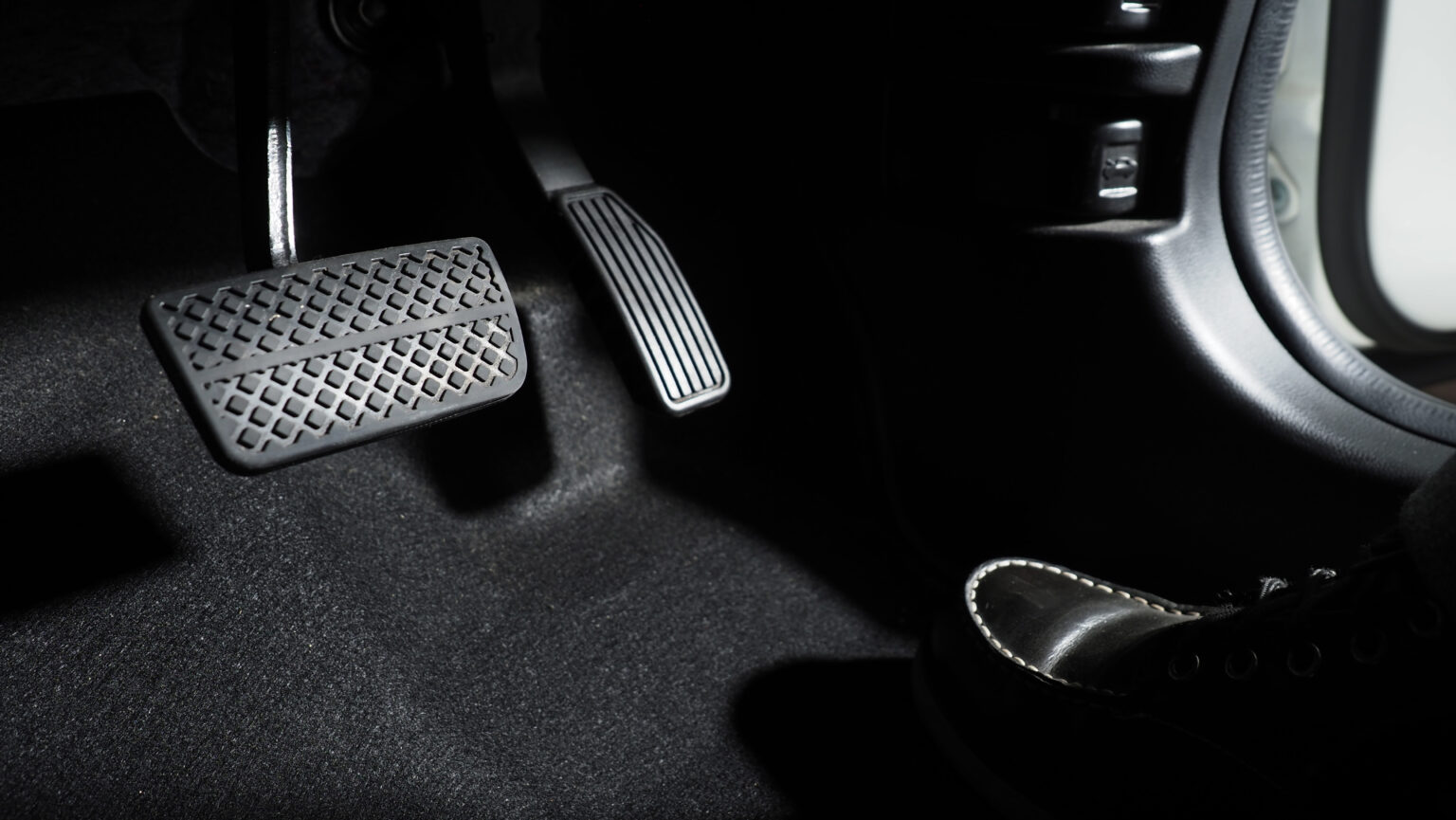
The gap between them has narrowed. Modern automatic gearboxes now match or exceed the number of gears in a manual, and automatic transmission technology has improved to the point where you get more miles per gallon in an automatic than an equivalent manual.
The fuel economy difference has shrunk to roughly 1–2 mpg, and choosing an automatic adds around £1,500 to the purchase price of a new car.
What are the specific advantages a manual transmission has over an automatic?
Manual transmissions give you more precise, direct control over gear selection and that advantage is most tangible when conditions get demanding.
- Lower purchase price — a manual typically costs less than the automatic equivalent, a meaningful saving on a used or budget car
- Lower insurance premiums, manual cars generally attract cheaper cover, partly because they cost less to repair and replace
- Better control on hills and slippery roads, you choose the gear; the car doesn't second-guess you. Downshifting on a steep descent gives you engine braking that an automatic removes from your hands
- Improved fuel economy through driver input, changing up at lower engine speeds can stretch your mpg further than an automatic's default shift points
- Greater driving engagement, the clutch bite point and gear selection precision: these provide real, physical feedback that automatics smooth away
- Theft deterrent in some markets, in countries where automatics dominate, a manual is a practical barrier to opportunistic theft
How does each transmission type work?
Manual gearbox mechanics
To shift gears in a manual, you press the clutch pedal, disconnecting the engine from the wheels, select a new gear with the lever, then release the clutch to reconnect. That sequence happens dozens of times on a short city journey. You control exactly which gear ratio is engaged at any moment, which gives you direct command over how the engine delivers its power.
Automatic gearbox mechanics
An automatic transmission changes gears for you in relation to the speed you're travelling. You don't touch a clutch pedal — the car monitors your speed and engine load, then shifts on its own. You accelerate and brake; the gearbox handles the rest. Modern automatic gearboxes now offer as many gears as manuals, if not more, and are lighter and more advanced than older units, so manuals no longer hold a clear fuel-economy advantage over automatics.
Automatic gearbox variants on the UK market
3 main types appear on UK spec sheets, and they behave differently:
- Torque converter automatics use hydraulic fluid to transfer engine power — smooth and widely fitted to mainstream cars like the Honda CR-V and Hyundai Santa Fe, though traditionally less fuel-efficient than the alternatives.
- CVT (continuously variable transmission) replaces fixed gears with belts and pulleys that adjust ratios seamlessly. Common in Nissan and Toyota hybrids, CVT is fuel-efficient, though the driving feel takes some getting used to.
- Dual-clutch or DSG automatics — Volkswagen fits DSG to the Golf and Polo, use 2 separate clutches for odd and even gears, swapping between them almost instantly for quick, responsive shifts.
Which costs more to buy and run?
Automatic cars cost more upfront, roughly £1,500 more than the equivalent manual on a new car's list price. But once you factor in fuel, insurance, servicing, and resale value, the gap narrows.
Purchase price premium
Choosing an automatic over a manual adds to a new car's list price in the UK. Automatic gearboxes are more complex to manufacture and more expensive to replace if something goes wrong, and that cost gets built into the sticker price. On the used market, manuals sometimes sell for less because fewer buyers want them which can work in your favour if you're buying second-hand, but works against you when you come to sell.
Fuel economy differences
The old idea that automatics guzzle fuel is outdated. Modern automatic gearboxes now offer 8, 9, or even 10 speeds, as many as, or more than, most manual equivalents, and that extra ratio count is the main reason the fuel efficiency gap has closed. In real-world driving, the difference has shrunk to roughly 1–2 mpg. The Nissan Qashqai illustrates this well: the manual returns 44.8 mpg, the automatic 45.6 mpg. Automatic transmission technology has improved to the point where you'll often get slightly better fuel economy in the automatic. Fuel economy is no longer a reason to rule one out.
Insurance and servicing costs
Automatics typically cost more to insure than manuals. Automatic gearboxes cost more to replace, and they're often fitted to higher-specification cars, both factors push premiums up. Servicing is also more specialist. Manuals carry their own long-term cost: clutch replacement runs £500–£1,000 and is typically needed every 50,000–80,000 miles. Over a 3–5 year ownership period, the servicing cost difference is smaller than it first appears.
Depreciation and used-car residual values
Automatics tend to hold their value better on the used market because demand is higher. Manuals depreciate faster as buyer preference shifts. If you buy a new automatic and sell after 3–5 years, the stronger residual value partially offsets that £1,500 upfront premium, making total cost of ownership closer than the purchase price alone suggests.
Which is easier to drive?
Automatics are objectively easier to drive than manuals: fewer controls and no clutch, so less fatigue in stop-start traffic. For beginners and city commuters especially, it makes the real difference here.
The manual learning curve
Learning to drive a manual takes time. Most learners spend the first 2 weeks finding the clutch bite point, weeks 2 to 4 getting smooth flat-ground takeaways, weeks 4 to 8 tackling hill starts, and weeks 8 to 12 building confidence in urban traffic. Stalling is a genuine frustration throughout — it can't happen in an automatic. Manual learners typically need 40 to 50 lessons before test-readiness; automatic learners average 30 to 35.
Automatic convenience in traffic
Picture a London rush-hour commute in a manual: clutch in, first gear, creep forward, clutch in again, brake, repeat for 45 minutes. Your left leg aches and your attention splits between the road and the gearstick. In an automatic, the car handles all of that. You focus on the road, the pedestrians, the cyclist cutting across. Over a year of daily commuting, that difference in fatigue adds up.
The UK driving licence restriction
This is the part many buyers miss until it's too late. Pass your UK driving test in an automatic and your licence carries Code 78 — a permanent restriction that limits you to automatic vehicles only. You cannot legally drive a manual car in the UK or across EU countries. You cannot hire a manual abroad or borrow a friend's manual without retaking the full practical test. Pass in a manual, and you receive an unrestricted Category B licence covering both transmission types, no further testing needed.
Driving lesson costs
Automatic lessons typically cost £25 to £28 per hour; manual lessons run £22 to £25. But automatic learners reach test-readiness in roughly 30 to 35 lessons, against 40 to 50 for manual learners. At those rates, the total outlay is comparable or cheaper for automatic learners despite the higher hourly rate.
Is manual or automatic more enjoyable to drive?
Driving enjoyment splits cleanly between 2 very different experiences and neither is objectively wrong really
Driver engagement and sense of control
Manual gearboxes give you something an automatic can't fully replicate: direct involvement in every gear change. You choose the ratio and time the shift, feeling the engine respond. For some drivers, that connection between brain, hands, and engine is the whole point. A manual car also gives you more precise control over the vehicle — useful on twisting B-roads, in demanding terrain, or whenever you want the engine exactly where you need it. Passing your test in a manual earns you an unrestricted Category B licence, so you keep that choice open for life.
Performance and responsiveness
Modern dual-clutch automatics like VW's DSG and Porsche's PDK are the best-known examples, now shift faster than any human can manage manually. That makes them genuinely quicker on acceleration, and paddle shifters let you stay in control when you want it. For most drivers, the gap in outright performance has closed. But automatics are also easier to drive and less tiring in stop-start traffic, which is why urban commuters consistently prefer them. Manuals still hold an edge on engine braking during descents and on demanding roads where precise gear selection matters. So our honest answer is this: automatics win on convenience and modern performance; manuals win on involvement and feel.
Are electric cars automatic or manual?
All electric cars are automatic-only by mechanical necessity. Electric motors deliver torque instantly across their entire rev range, so no gearbox is needed. A traditional gearbox would add weight and complexity without any benefit. Most hybrid vehicles follow the same pattern, using electric motors alongside petrol engines in ways that make a manual clutch impractical. As EVs and hybrids take a growing share of UK new car sales, automatic transmission is becoming the default across the market, not just a premium option. Automatic gearboxes also cost more to replace than manuals and are often found in higher-specification vehicles, which is why they typically carry higher insurance premiums too.
UK automatic registrations and the electrification shift
In 2024, only 22% of new cars sold in the UK were manual — down from the majority just a decade earlier. Around 96 models are now available with a manual gearbox, against over 404 sold as automatic-only. Manual choice is narrowing fast, and EV growth is the main reason why.
So which is better — automatic or manual?
Match your driving life to one of these 4 profiles below and leave with a clear answer.
Best choice for city commuters and heavy-traffic drivers
Automatic transmission is the clear choice for city driving. Stop-start traffic turns a manual into a workout — clutch in, clutch out, stall risk, repeat. Over a 1–2 hour daily commute in London or Manchester, that fatigue adds up fast.
Automatic cars eliminate clutch wear and stalling risk, freeing your attention for pedestrians, cyclists, and junctions. If your daily drive involves more traffic lights than open road, automatic wins decisively.
Best choice for new and learner drivers
Manual is the smarter long-term choice if you can handle the learning curve. Pass your test in a manual and you earn an unrestricted licence, giving you the freedom to drive any car you hire, borrow, or buy in the future.
Automatic gets you on the road faster and with less stress, but it comes with a Code 78 restriction stamped on your licence. For most learners, the short-term comfort of automatic is not worth the long-term restriction. The exception: if you have a health condition or genuine time pressure that makes manual impractical, automatic is the right call.
Best choice for motorway and rural drivers
Manual often makes more sense for motorway and rural driving. Open roads and steady speeds are exactly where automatic convenience matters least, you are not fighting traffic, so the comfort premium is harder to justify.
Manual cars give you precise control on variable terrain: hills, slippery surfaces, towing. Modern manuals match automatics on fuel economy at motorway speeds, so you lose nothing there either. If most of your driving is outside city limits, the value proposition sits firmly with manual.
Best choice for driving enthusiasts and sporty drivers
Manual still delivers the most engaging driving experience. The direct connection between driver, gearbox, and engine is something no automatic fully replicates — and for drivers who genuinely enjoy the act of driving, that matters.
Modern dual-clutch automatics (DSG, PDK) with paddle shifters close the gap. They shift faster than any human can manage manually and offer a genuinely sporty feel. If full engagement is the goal, choose manual. If you want involvement without the learning curve, a dual-clutch automatic in a performance car is a legitimate alternative.
Will automatic-only licence will restrict my car and driving choices?
An automatic-only licence does restrict you but the restriction is narrower than most people fear. Pass your test in an automatic, and you can drive any automatic car on UK roads, including the growing majority of new registrations. What you lose is the legal right to drive a manual without retaking your test.
That matters less than it used to. Roughly 3 in 4 new cars sold in the UK are automatic, and that share keeps rising as EVs and hybrids take over. If you never plan to drive a manual, the restriction is largely theoretical.
Pass in a manual, though, and you get an unrestricted Category B licence — legal to drive both types with no further testing. If you want maximum flexibility, that is the safer path. If you are confident you will stick to automatics, the restriction is unlikely to affect you in practice.
Future of manual cars in the UK
Manual cars are disappearing from new-car forecourts fast. In 2024, only 22% of new cars sold in the UK were manual — down sharply from the majority just a decade earlier.Only around a quarter of new models even offer a manual option. Used manuals will stay plentiful for years, but if you want a new car, your manual choices are shrinking every year.
Should I buy a manual car in 2026?
A manual car is worth buying if you do most of your driving on motorways or rural roads, want to keep purchase costs down, and enjoy being in control of the car. Avoid one if you spend the majority of your time in stop-start city traffic, lack driving confidence, or want maximum flexibility when hiring or driving abroad.
Buy a manual if you:
- Drive mainly on motorways or rural roads
- Want to save around £1,500 on the purchase price
- Enjoy driver involvement and precise gear control
- Already hold a full manual licence
Avoid a manual if you:
- Spend more than half your driving time in city traffic
- Plan to hire cars or drive internationally
- Are a new driver still building confidence
- Want a car that's easy to resell in a shrinking manual market
Should I buy an automatic car?
Buy an automatic if you spend most of your time in stop-start city traffic or find clutch control stressful. The upfront cost premium is real — typically around £1,500 more than the equivalent manual, but for the right driver, that gap pays for itself in comfort and convenience.
Buy an automatic if you:
- Drive more than 50% of your time in urban or congested traffic, where the automatic's ease in stop-start conditions removes genuine fatigue
- Want the broadest resale audience — automatic cars appeal to more buyers, which supports residual values
- Are returning to driving after a break, or find clutch control stressful
- Plan to drive EVs or hybrids in future, since all fully electric cars use automatic-style drivetrains
Reconsider if you:
- Drive mainly on motorways or quiet rural roads, where the manual's lower purchase price and comparable fuel economy make more financial sense
- Are on a tight budget — the £1,500 premium adds to your deposit or monthly payments, and insurance can run slightly higher on automatics
- Value driver engagement and direct control over convenience
On fuel economy, the gap between the 2 transmission types is now narrow. The Nissan Qashqai illustrates this well: the manual returns 44.8 mpg against 45.6 mpg for the automatic — under 1 mpg in it. Running costs alone won't decide this.
The honest verdict: automatic cars suit most UK city drivers and anyone who prioritises comfort. If budget is your primary constraint or you mostly drive open roads, a manual still makes sense.
Final words
If you spend most of your time in stop-start city traffic, an automatic saves you real effort every day. If you want full control, lower running costs, and a wider choice of used cars, manual still delivers. Both are solid options for UK drivers in 2026.
You now have the information you need. The decision is yours.
Ready to find your next car and finance it? We finance manual and automatic vehicles from any dealership. Get a quote today.
Table of Contents