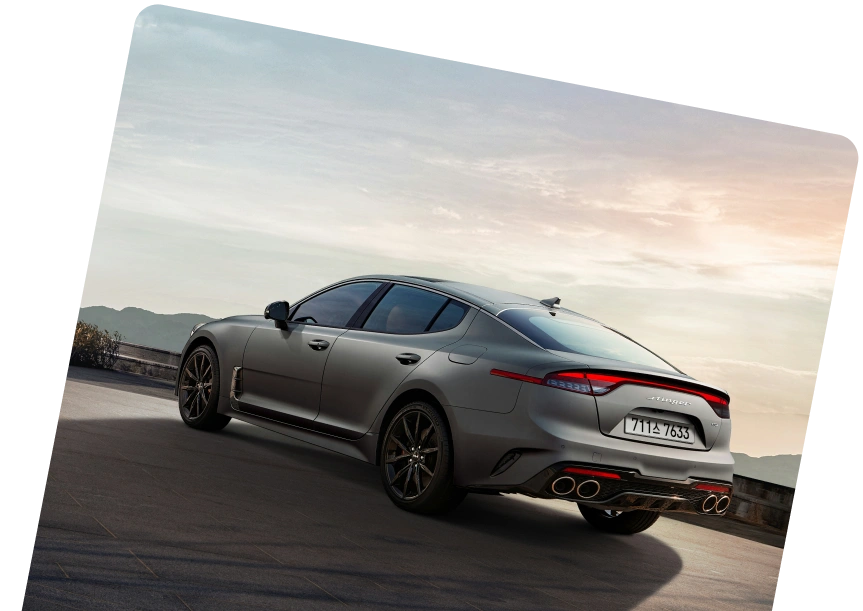





Picking the best used automatic car for a first-time driver means balancing 3 things: a smooth gearbox that builds your confidence, running costs you can actually afford, and insurance groups that won't wipe out your budget.
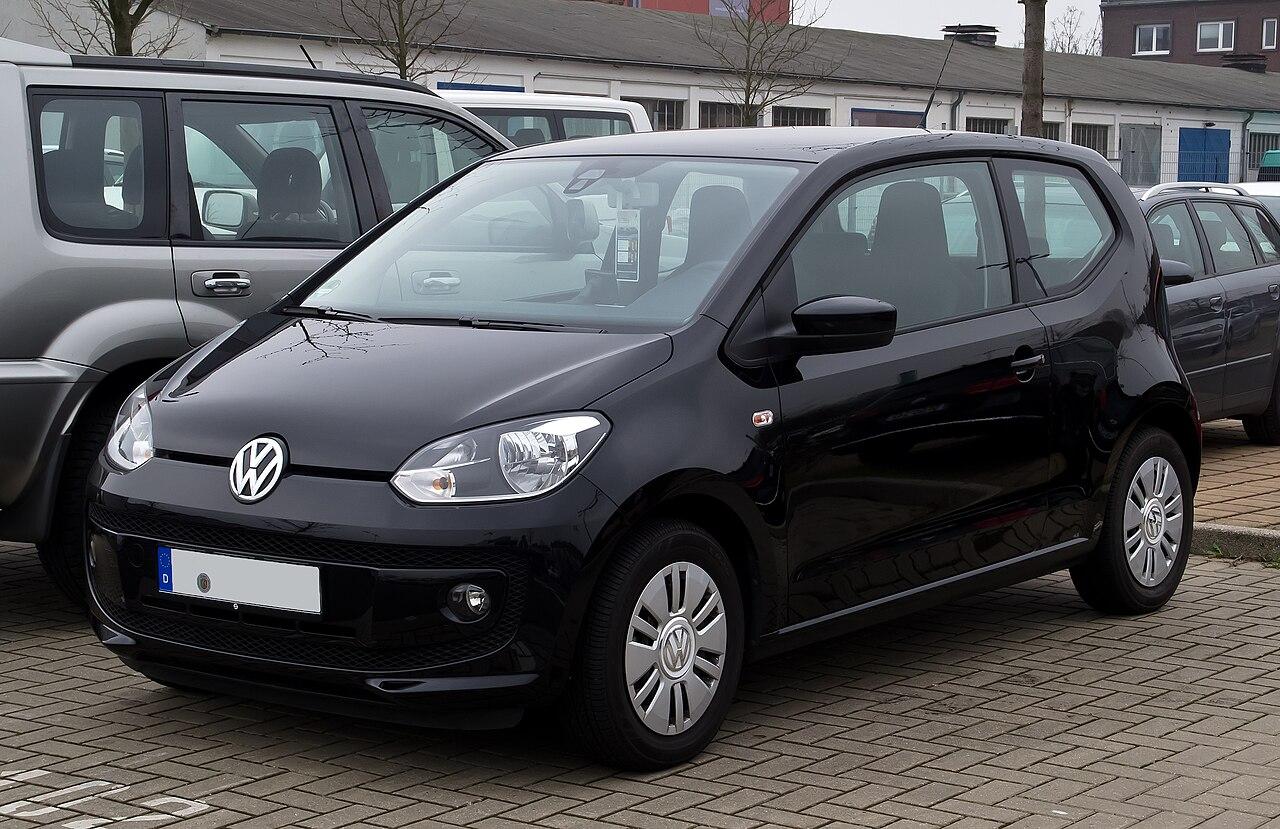
1. Volkswagen Up! (2012–2023) — best budget used automatic
| Spec | Detail |
|---|---|
| Model years | 2012–2023 |
| Body type | 5-door hatchback |
| Doors | 5 |
| Seats | 4 |
| Boot space | 251 litres |
| Transmission | Automated manual (ASG) |
| Insurance group | 1–8 |
| Typical used price | £5,000–£9,000 |
| Fuel economy (real-world) | 40–48 mpg |
| Annual VED | £0–£20 (pre-2017 models) |
| Euro NCAP rating | 4 stars (2011) |
The Volkswagen Up! sits at the cheapest end of the used automatic market — a 5-door city hatchback you can pick up for £5,000–£9,000 depending on year and mileage, with insurance groups starting at 1 and rarely exceeding 8. For a first-time driver on a tight budget, that combination is hard to beat.
The Up! uses an automated manual gearbox — straightforward for city driving and easy to operate day-to-day. The gearbox types section below ranks all four automatic types for new drivers.
Being small works in your favour here. The Up! is narrow enough to slot into tight urban parking spaces, and the high seating position gives you a clear view of the road ahead — both things that matter when you're still building confidence behind the wheel.
Running costs stay low: real-world fuel economy sits around 40–48 mpg, and road tax on pre-2017 models costs £0–£20 per year. Used automatic cars don't have to stretch your budget — the Up! proves that.
Best for: urban-only driving, the tightest budgets, and anyone who wants the lowest possible insurance bill on their first car.
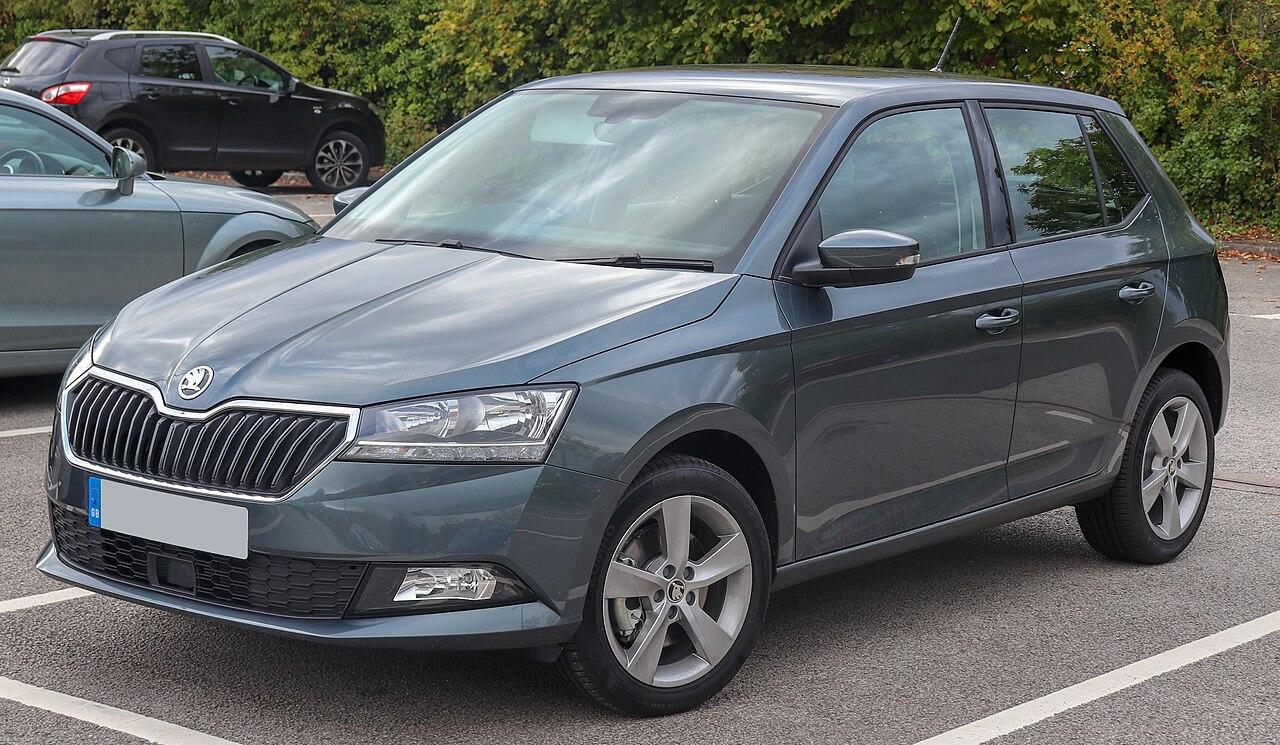
2. Skoda Fabia — great-value practical supermini
| Spec | Detail |
|---|---|
| Body type | 5-door supermini |
| Doors | 5 |
| Seats | 5 |
| Boot space | 380 litres |
| Transmission | DSG 7-speed or traditional automatic |
| Insurance group | 2–8 (trim dependent) |
| Typical used price | £8,000–£14,000 (2018–2022) |
| Fuel economy (real-world) | 38–44 mpg mixed driving |
| Annual VED | £0–£180 depending on engine and year |
| Euro NCAP rating | 5 stars (2021 model) |
The Skoda Fabia gives you noticeably more space than a city car — 380 litres of boot, 5 doors, and 5 seats, without pushing insurance costs into painful territory. Used examples from 2018 onwards sit in insurance groups 2–8 depending on trim, which keeps annual premiums manageable for a new driver.
Target 2018–2022 model years in SE or Ambition trim — these are the sweet spot between price and equipment. Automatic versions cost roughly £1,000 more than equivalent manuals on the used market, but for a new driver that premium buys you freedom from clutch anxiety on hill starts and in slow traffic.
The Fabia suits you if your driving goes beyond city errands — longer commutes, occasional motorway runs, or a growing family that needs rear-seat room. Real-world fuel economy lands at 38–44 mpg in mixed driving, noticeably below the WLTP figure manufacturers quote, so budget accordingly.
DSG gearbox detail is covered in the gearbox types section — what matters here is that used Fabias with DSG feel smooth and responsive in everyday driving conditions.
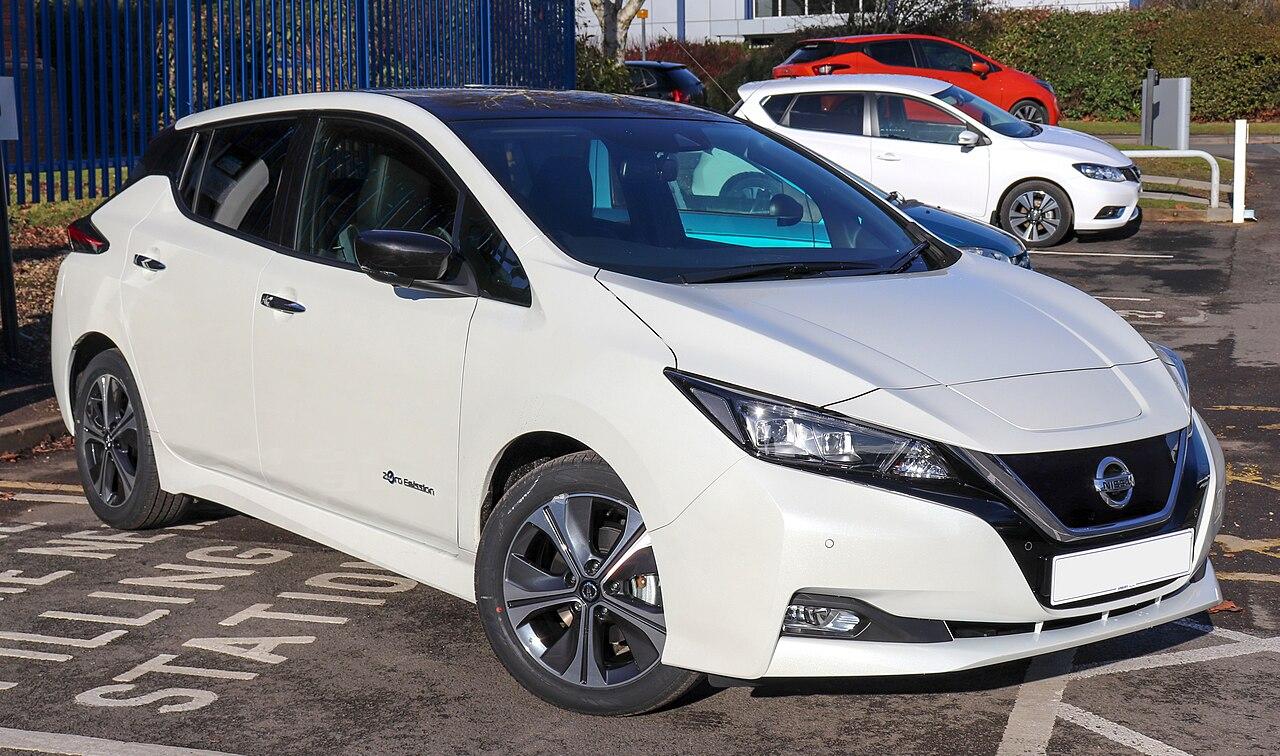
3. Nissan Leaf (2018–present) — automatic-only EV for new drivers
| Spec | Detail |
|---|---|
| Body type | Compact hatchback |
| Doors | 5 |
| Seats | 5 |
| Boot space | 435 litres |
| Drivetrain | Electric motor, single-speed (no gearbox) |
| Insurance group | ~20–25 |
| Typical used price | £8,000–£18,000 |
| Real-world range | 180 miles (24kWh) / 239 miles (40kWh) |
| Running cost | ~3–5p per mile |
| Annual VED | £0 |
| Euro NCAP | 5 stars (2018) |
The Nissan Leaf runs on a single electric motor with no gearbox at all — you select Drive and go, which makes it the simplest automatic on this list by a significant margin. Electric cars are automatic by design, so if you passed your test in an automatic, the Leaf counts for your licence category without any additional steps.
Newer Leaf models (2018–present, 40kWh battery) deliver up to 239 miles of real-world range. Older examples with the 24kWh pack manage around 180 miles. If your daily commute sits under 50 miles, either version handles it comfortably. Longer or unpredictable journeys need more planning around public chargers.
The e-Pedal feature lets you handle around 90% of city driving on the accelerator alone — lift off and the car slows itself, recovering energy as it brakes. New drivers find this builds confidence quickly, because the car feels calm and predictable in stop-start traffic.
Running costs are the Leaf's strongest argument for budget-conscious buyers. Electric vehicles pay £0 in annual Vehicle Excise Duty, and charging at home costs roughly 3–5 pence per mile against 12–15 pence per mile for a comparable petrol car. Insurance groups sit in the mid-range (typically 20–25) due to repair costs, so factor that into your budget.
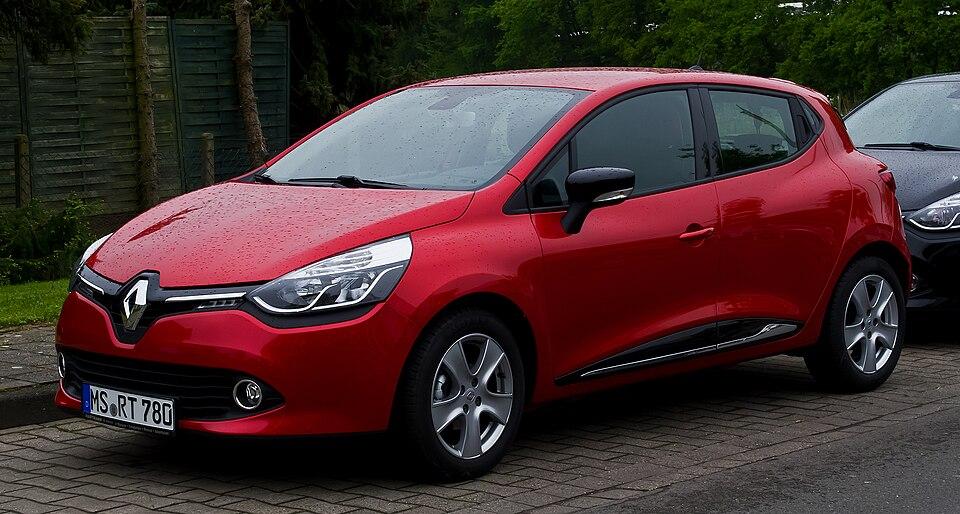
4. Renault Clio E-Tech — efficient hybrid automatic supermini
| Spec | Detail |
|---|---|
| Model years | 2020–present |
| Body type | 5-door supermini hatchback |
| Doors | 5 |
| Seats | 5 |
| Boot space | 300 litres |
| Transmission | Hybrid automatic (no manual option) |
| Insurance group | 10 (Clio range; E-Tech sits in similar bands) |
| Typical used price | £14,000–£18,000 |
| Official fuel economy (WLTP) | 55–68 mpg |
| Real-world fuel economy | 45–50 mpg in mixed driving |
| Annual VED | £0–£20 (low-emission band) |
| Euro NCAP rating | 5 stars (2019 platform) |
The Renault Clio E-Tech pairs a petrol engine with an electric motor and switches between them automatically — you never plug it in, and you never touch a gear selector. Braking and coasting recharge the battery, so the hybrid system manages itself entirely.
The WLTP figure of 55–68 mpg is the lab number. Real-world mixed driving returns 45–50 mpg — still strong for a supermini, and noticeably better than a straight petrol Clio in stop-start city traffic, where the electric motor does most of the work.
The Clio sits in insurance group 10 in standard trim, making it one of the more affordable superminis to insure as a new driver. The 300-litre boot is smaller than the Skoda Fabia's, but the 5-door layout and 5 seats make it practical for daily use.
Best for: city and suburban drivers covering 10,000–15,000 miles a year who want lower fuel bills without the hassle of charging.
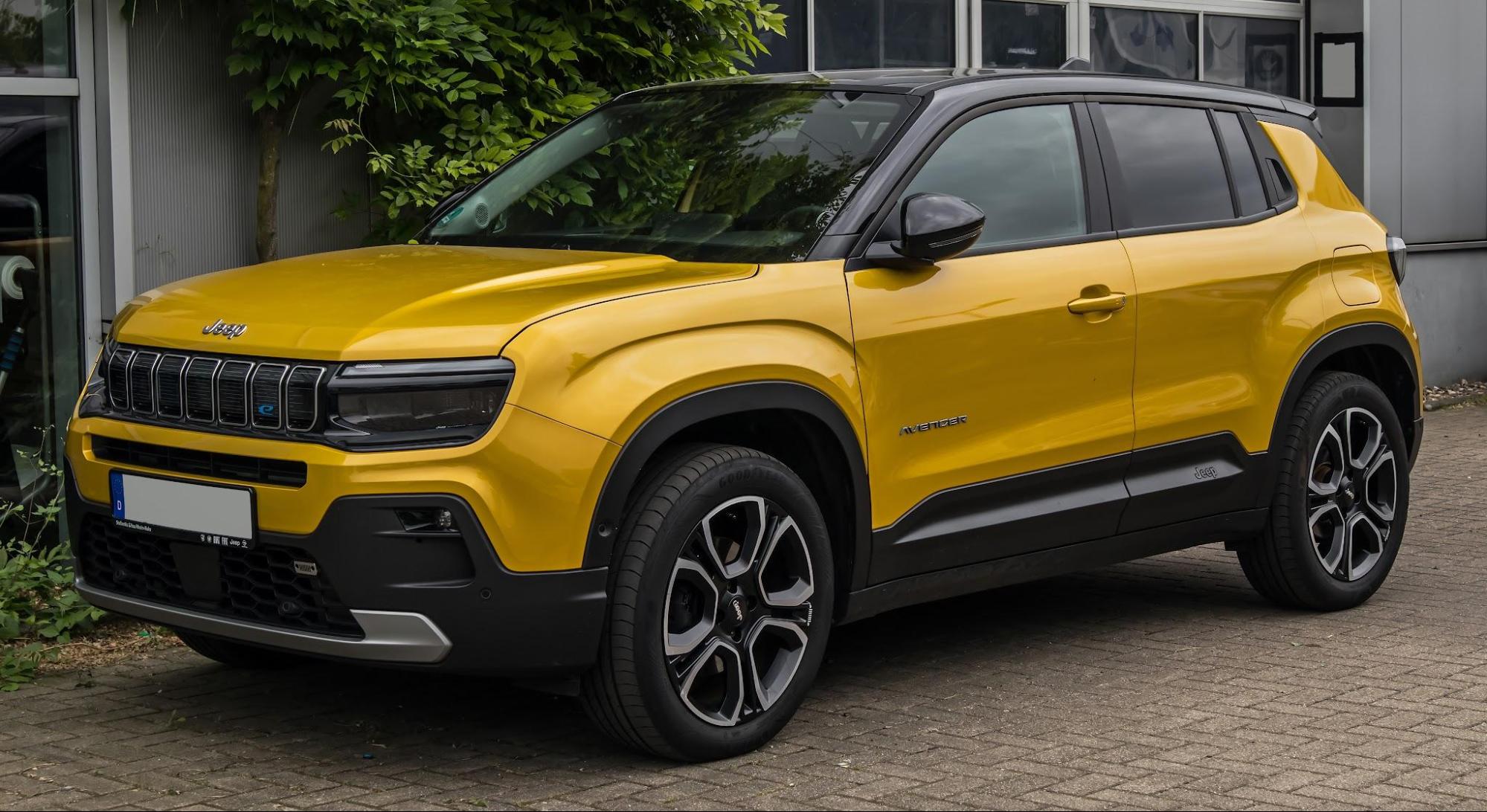
5. Jeep Avenger — characterful and value-packed small SUV automatic
| Spec | Detail |
|---|---|
| Model years | 2023–present |
| Body type | Compact SUV |
| Doors | 5 |
| Seats | 5 |
| Boot space | 355 litres |
| Transmission | 6-speed automatic |
| Insurance group | 16–22 |
| Typical used price | £17,000–£22,000 |
| Fuel economy (real-world) | 38–42 mpg |
| Annual VED | £190 |
| Euro NCAP rating | 5 stars (2023) |
The Jeep Avenger suits new drivers who want a higher driving position and better all-round visibility — sitting taller than a hatchback means you can see over parked cars, judge gaps more easily, and feel less hemmed in on busy roads.
Insurance groups 16–22 sit noticeably higher than most hatchbacks on this list, and real-world fuel economy of 38–42 mpg trails city cars by 10–15 mpg. Those are real trade-offs worth knowing before you commit.
The 6-speed automatic gearbox is a conventional torque-converter unit — smooth in stop-start traffic and forgiving if you're still building confidence behind the wheel. Most used Avengers come with parking sensors and a reversing camera as standard, which takes the stress out of tight spaces.
An e-Hybrid variant is available and costs nearly £10,000 less than the fully electric version. Used e-Hybrid examples are rare at the moment, so most new drivers will find standard petrol automatics easier to source and simpler to run. The e-Hybrid is worth keeping on your radar as more 2023–2024 examples filter into the used market over the next year or two.
Best for: new drivers who feel more confident sitting higher up and want a 5-star safety rating from day one.
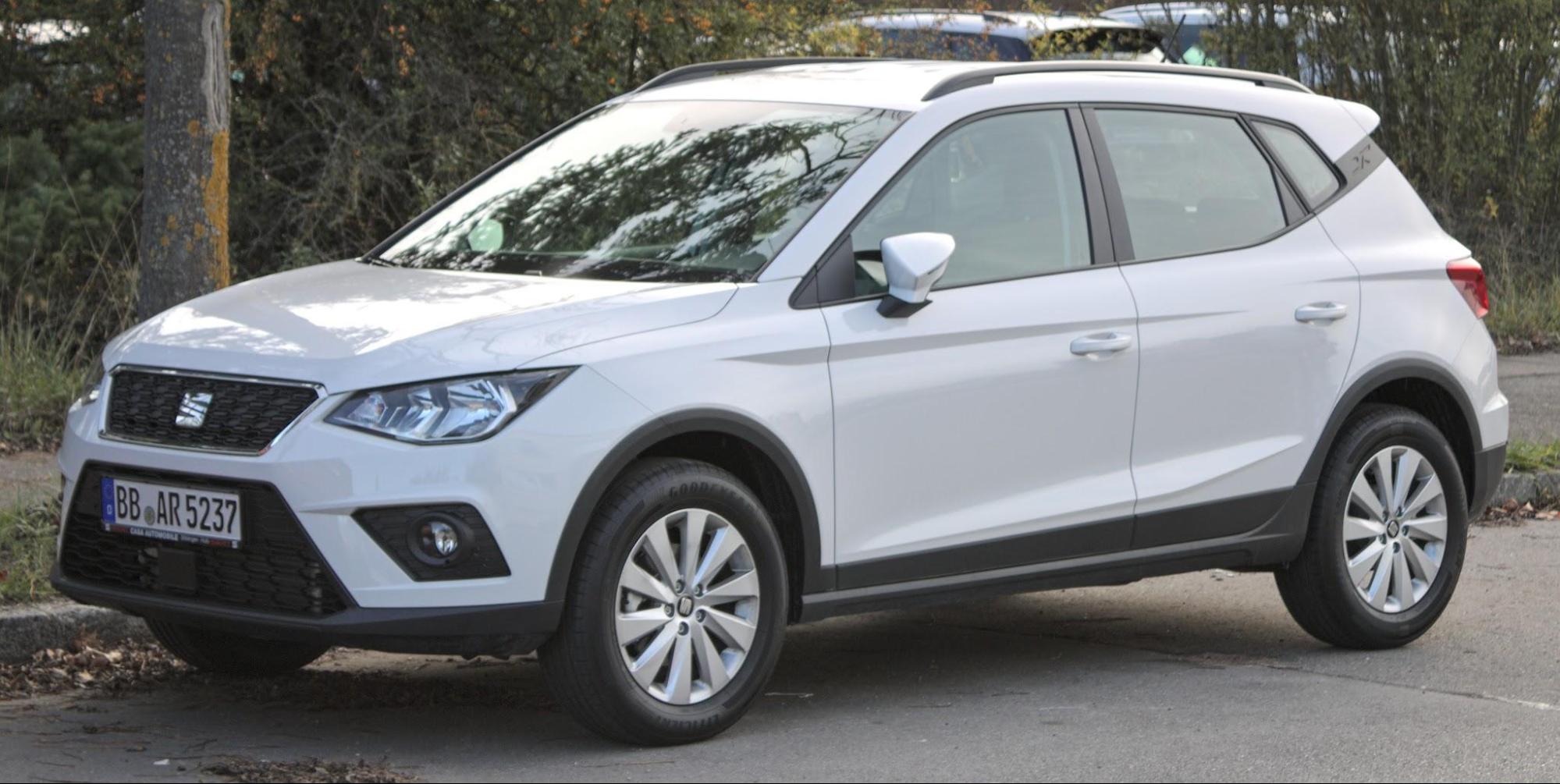
6. SEAT Arona — versatile small SUV automatic for first-time buyers
| Spec | Detail |
|---|---|
| Model years | 2017–present |
| Body type | Compact SUV |
| Doors | 5 |
| Seats | 5 |
| Boot space | 400 litres |
| Transmission | 7-speed DSG automatic |
| Insurance group | 11–18 (depending on trim and engine) |
| Typical used price | £9,000–£16,000 |
| Fuel economy (real-world) | 38–44 mpg |
| Annual VED | £190 (standard rate) |
| Euro NCAP rating | 5 stars (2018) |
The SEAT Arona gives you compact SUV practicality at a price closer to a supermini and that gap matters when you're buying your first car on a tight budget.
The Arona's 400-litre boot is noticeably larger than a standard hatchback, which means you can fit a weekly shop, a pushchair, or sports kit without rearranging everything. The higher seating position also gives you a clearer view of junctions and car parks — a genuine confidence boost when you're still building experience on the road.
On the automatic side, used Aronas with the 7-speed DSG gearbox are the ones to target. DSG changes gears quickly and smoothly in town, which is exactly what you want in stop-start traffic. Avoid older 1.0-litre petrol trims with the 5-speed manual if you're specifically searching for an automatic — not all Arona variants came with one, so confirm the gearbox before you view.
Insurance groups run from 11 to 18 depending on the engine and trim, which is higher than a city car like the Toyota Aygo X (group 6) but reasonable for an SUV. The Arona suits you if you want more space and road presence than a hatchback, without stretching to a premium badge.
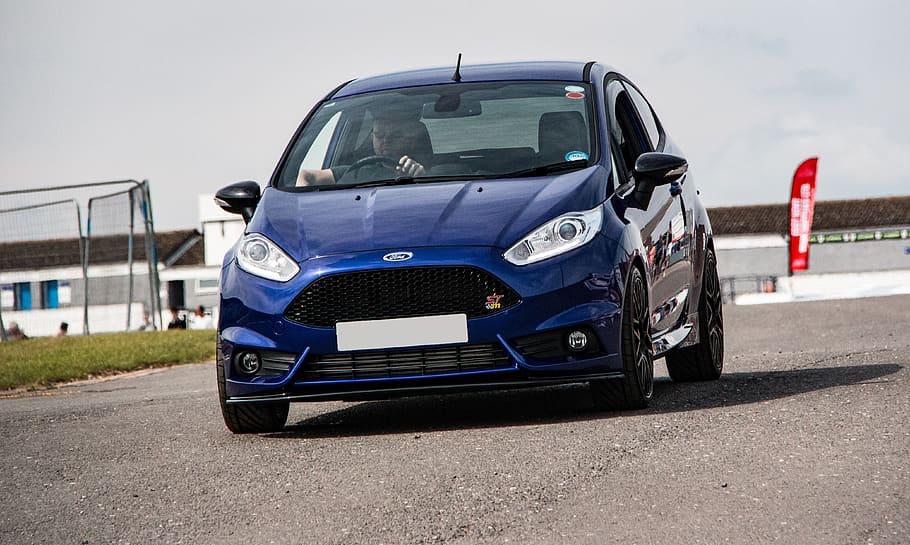
7. Ford Fiesta
| Model years | 2015–2023 |
|---|---|
| Body type | Hatchback |
| Doors | 3 or 5 |
| Seats | 5 |
| Boot space | 292 litres |
| Transmission | 6-speed auto |
| Insurance group | 8–16 |
| Typical price | £7,000–£14,000 |
| Fuel economy | 45–50 mpg |
| VED | £180/yr |
| Safety rating | 5-star Euro NCAP |
Ford Fiesta production ended in 2023 after more than 4 decades, which means every Fiesta on sale today is a used car — and that works in your favour. Parts are plentiful, mechanics know the car inside out, and insurers have decades of claims data, which keeps premiums competitive.
Automatic gearboxes appeared on later Fiesta generations (2015–2023), typically a 6-speed torque-converter unit paired to the 1.0-litre EcoBoost petrol. Fuel economy sits around 45–50 mpg in real-world driving, and VED costs £180 per year for post-2017 models.
Ford Fiesta suits you if you want a proven, familiar car with low running costs and no shortage of good used examples to choose from.
8. Citroën C3 Aircross
| Spec | Detail |
|---|---|
| Model years | 2017–present |
| Body type | Compact crossover |
| Doors | 5 |
| Seats | 5 |
| Boot space | 410 litres |
| Transmission | 6-speed automatic (EAT6) |
| Insurance group | 10–18 |
| Typical used price | £8,000–£16,000 |
| Fuel economy | 45–52 mpg |
| VED (road tax) | £190/year |
| Safety | Euro NCAP 4 stars |
The Citroën C3 Aircross sits between a hatchback and a full SUV — giving you higher seating, better visibility, and a more commanding driving position without the bulk or running costs of a larger crossover.
The EAT6 automatic gearbox is a conventional torque-converter unit — smooth in town and relaxed on the motorway, which suits new drivers well. Insurance groups starting at 10 keep costs manageable, and the raised seating makes parking and junction visibility noticeably easier than in a standard supermini. A solid choice if you want SUV confidence without SUV running costs.
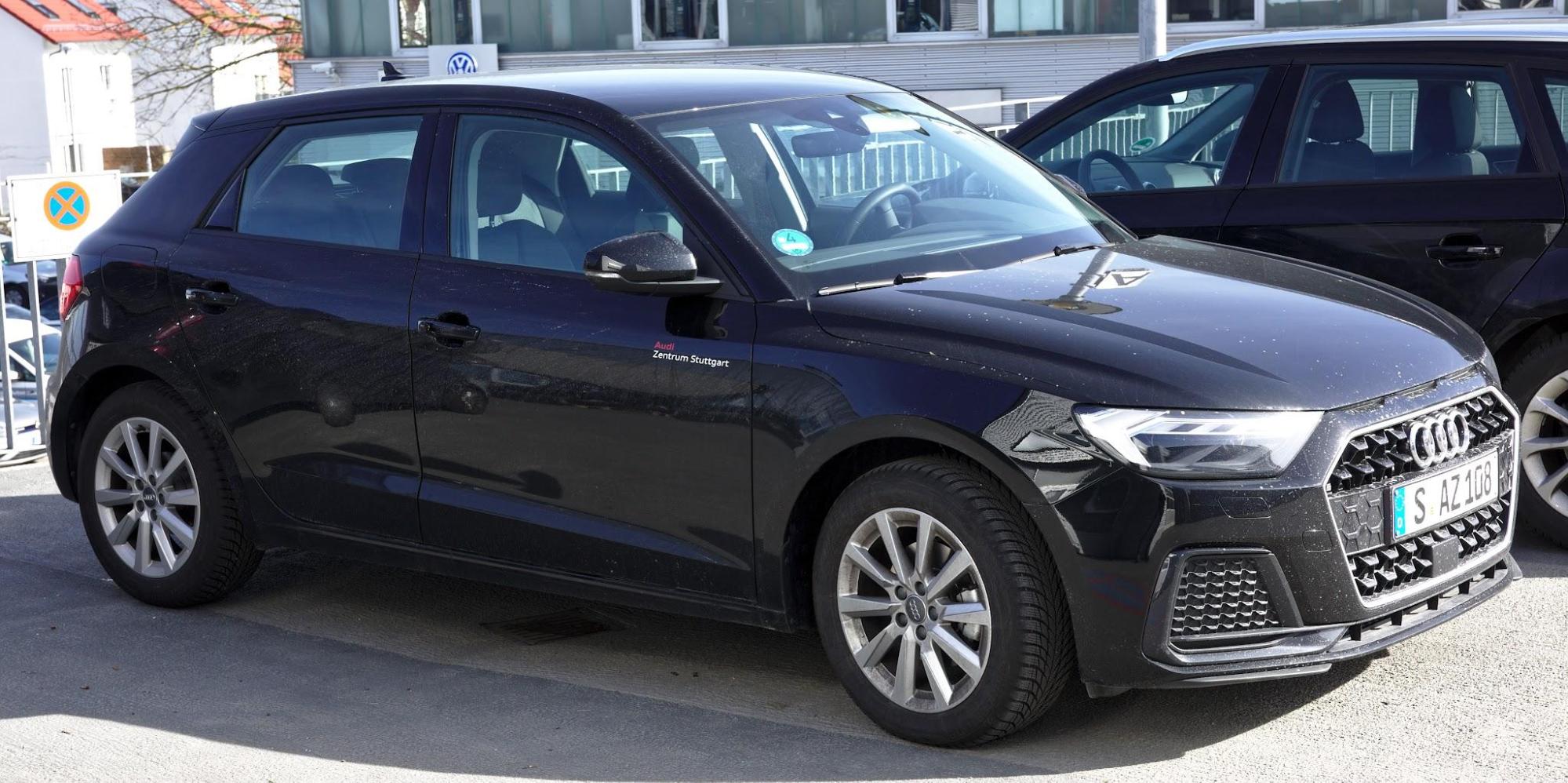
9. Audi A1
| Model years | 2018–2023 |
|---|---|
| Body type | Hatchback |
| Doors | 3 or 5 |
| Seats | 5 |
| Boot space | 335 litres |
| Transmission | 7-speed dual-clutch |
| Insurance group | 11–23 |
| Typical price | £8,000–£16,000 |
| Fuel economy | 45–55 mpg |
| VED | £190/yr |
| Safety rating | Euro NCAP 5-star (2018) |
The Audi A1 delivers premium supermini quality at a used-car price — and its 7-speed dual-clutch automatic gearbox makes it one of the smoothest small cars to drive in town. Used examples from 2018 onwards include Apple CarPlay, Android Auto, and interior materials that feel a class above rivals like the Vauxhall Corsa.
Insurance groups run higher than budget city cars — expect group 11 to 23 depending on engine and trim, so check your quote before committing. If your budget stretches to £10,000–£12,000, a used A1 offers Golf-like build quality at junior prices. It suits new drivers who want a premium feel without paying new-car money.
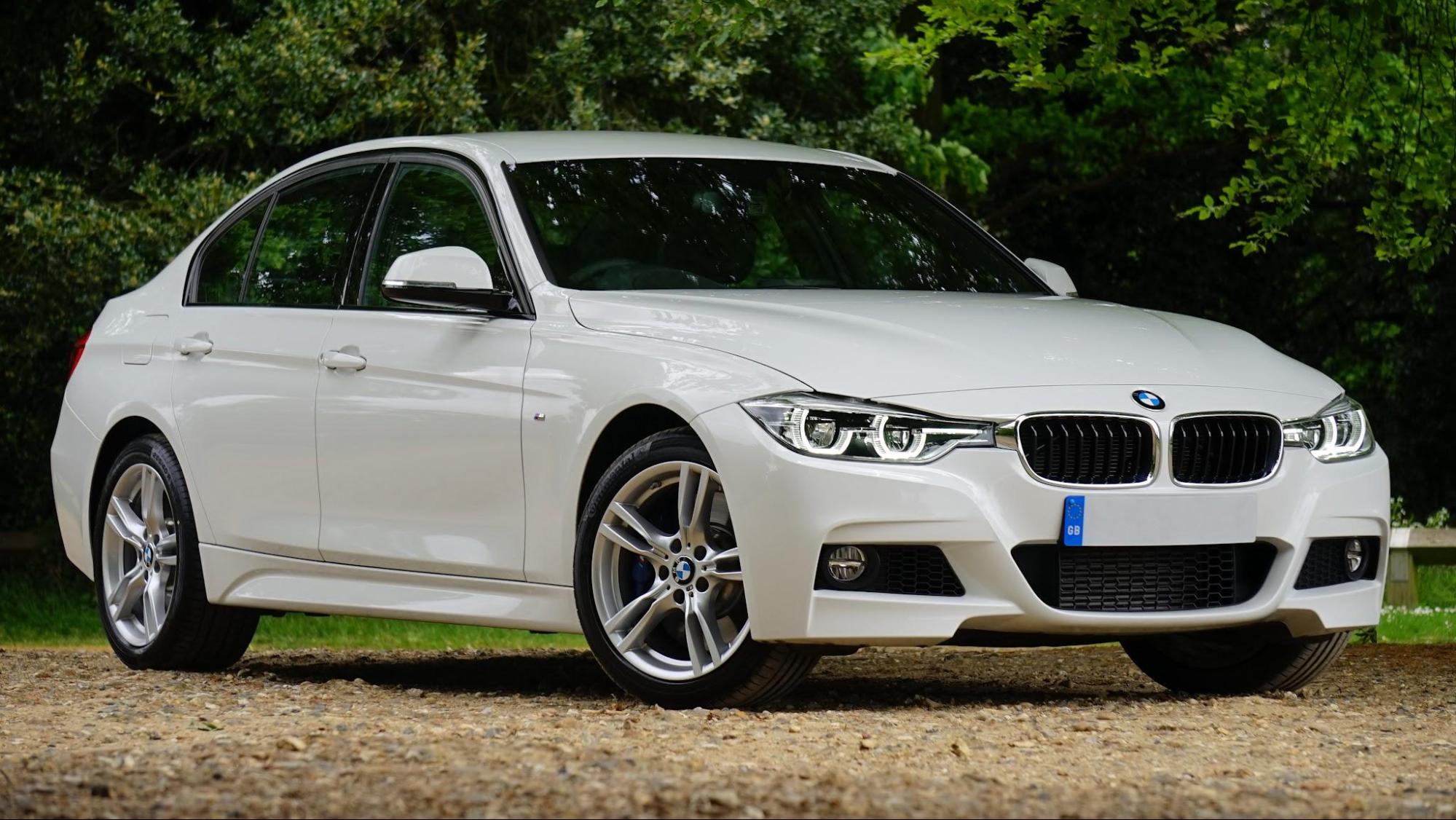
10. BMW 3 Series
| Detail | Spec |
|---|---|
| Model years | 2012–2019 (F30 generation) |
| Body type | Saloon |
| Doors | 4 |
| Seats | 5 |
| Boot space | 480 litres |
| Transmission | 8-speed torque-converter automatic |
| Insurance group | 23–36 |
| Typical used price | £8,000–£18,000 |
| Fuel economy | 40–55 mpg (diesel) |
| VED | £180–£270/year |
| Safety | Euro NCAP 5-star (2012) |
The used BMW 3 Series suits first-time drivers who cover long distances regularly and have a budget of £15,000 or more — not city commuters on a tight spend.
The 8-speed torque-converter automatic is one of the smoothest gearboxes you'll find in this price range. Insurance groups run high, so factor that cost in before committing. Older F30 examples from 2012–2015 bring the price within reach, but BMW servicing, parts, and tyres cost more than any other car on this list. Consider the 3 Series only if you drive motorways regularly or plan to keep the car for 5 or more years.
Are used hybrid and electric automatics worth it for new drivers?
Used hybrids and electrics are worth it for new drivers when your driving pattern matches how they save money — and a poor match costs you more than a standard petrol.
The Toyota Yaris Hybrid 1.5 Icon CVT (insurance group 13) is rated "the most reliable small automatic available on the used market," returning up to 70 mpg claimed. Real-world sits closer to 45–50 mpg mixed, so budget conservatively.
Hybrid suits you if…
- Your daily commute is 15–50 miles in stop-start urban traffic
- You want the smoothest automatic feel without a plug
Hybrid doesn't suit you if…
- You do long motorway runs where the petrol engine carries all the load
- The price premium pushes you into a worse-condition car
For full EVs, always request a battery health report before buying — degraded cells cut real-world range significantly.
What types of automatic gearbox will you find in used cars?
Used automatic cars come with 4 gearbox types, and the type directly affects how smooth your driving feels.
| Gearbox Type | How it feels | Reliability | New driver suitable? | Example cars |
|---|---|---|---|---|
| e-CVT (hybrid) | Smoothest of all — almost electric | Outstanding; mechanically simpler | Excellent | Toyota Yaris Hybrid, Lexus |
| Torque converter | Very smooth at all speeds | Excellent if maintained | Yes, great choice | Honda Jazz, Mazda models |
| CVT | Smooth low-speed; "rubber band" at higher revs | Good if serviced | Moderate | Renault Clio E-Tech |
| DSG / dual-clutch | Sporty and fast; jerky in stop-start traffic | Good only if serviced every 40,000 miles | Moderate, jerkiness surprises new drivers | VW Polo, Audi A1, Skoda Octavia DSG |
Of these four types, DSG gearboxes need a fluid change every 40,000 miles — skip that service and you face a repair bill of £3,000 or more. Always confirm the gearbox service history before you buy; it matters as much as the engine oil record. Take this example: the Skoda Octavia DSG estate (2021–23), available used for £15,000–£23,000, is a good example of a DSG car worth checking carefully. But the used automatic market is wider than it's ever been: Toyota no longer sells a manual Yaris in the UK, Renault's Clio hybrid ships as e-CVT only, and most mainstream manufacturers now produce automatic-only versions of their best-sellers, so your choice of used stock keeps growing.
e-CVT ranks most reliable: mechanically simpler with outstanding reliability records. For smooth, stress-free driving: e-CVT > torque converter > CVT > DSG. Real ownership data backs that order up. Toyota Yaris Hybrid owners routinely report 100,000–150,000 miles on the original e-CVT unit with no gearbox intervention. Honda Jazz torque converter units show similar longevity — major failures below 120,000 miles are rare when the car is serviced to schedule. DSG units tell a different story: the repair threads spike sharply once the 40,000-mile fluid change is skipped.
Why should a first-time driver choose a small automatic car?
If you've heard that automatics feel jerky in stop-start traffic, the right gearbox will surprise you. Small automatics with a torque-converter or e-CVT are calm, low-effort, and forgiving.
Small automatic cars suit first-time drivers for 3 practical reasons: they sit in lower insurance groups (the Kia Picanto reaches group 4, the Volkswagen Polo group 3), their compact footprint makes parking far less stressful, and smaller engines keep fuel and maintenance costs down.
Body style shapes the trade-off. A small hatchback gives you maximum manoeuvrability and the lowest insurance groups. A small SUV — like the SEAT Arona or Jeep Avenger, adds boot space and a higher seating position, but typically lands in a higher insurance group.
Which Used Automatic Car Should a First-Time Driver Actually Buy?
Choosing your first used automatic comes down to 3 questions: How much can you spend? How far do you drive each week? Do you want a hatchback or something with a higher seating position?
- Tight budget (under £5,000): The Hyundai i10 or Volkswagen Up! — low insurance groups, cheap to run.
- Moderate budget (£5,000–£10,000): The Skoda Fabia or Renault Clio E-Tech — more space, better refinement, and the Clio's hybrid cuts fuel costs on longer commutes.
- Comfort budget (£10,000+): The Audi A1 or BMW 3 Series — premium build with stronger resale value.
- Visibility-first: The Jeep Avenger or SEAT Arona — higher seating builds confidence quickly.
- Automatic-only licence: The Nissan Leaf or Toyota Yaris Hybrid — no gearbox to think about.
For most first-time drivers balancing cost, reliability, and ease, the Skoda Fabia is our pick. The Volkswagen Polo is often described as a miniature Golf for its high-quality materials — the Fabia delivers that same quality-per-pound logic at a lower price.
Before you buy, check the gearbox service history as carefully as the engine oil records. Automatic gearbox service history is as important as engine oil change history — a step first-time buyers often skip.
Once you've chosen your car, securing finance is the final step.
Can a first-time driver get finance on a used automatic car?
Yes, you can get finance on a used automatic car as a first-time driver through Personal Contract Purchase (PCP), Hire Purchase (HP) on Carplus. Gearbox type doesn't affect your eligibility, but lenders will assess your income, credit history, and the vehicle's age.
Table of Contents