




You'll see the word "saloon" on car listings, from small used models to big executive cars. But what is a saloon car, and how does it differ from a hatchback, an estate or an SUV? It comes down to the boot, which changes both what you can carry and how the car feels on a long drive.
What does saloon mean?
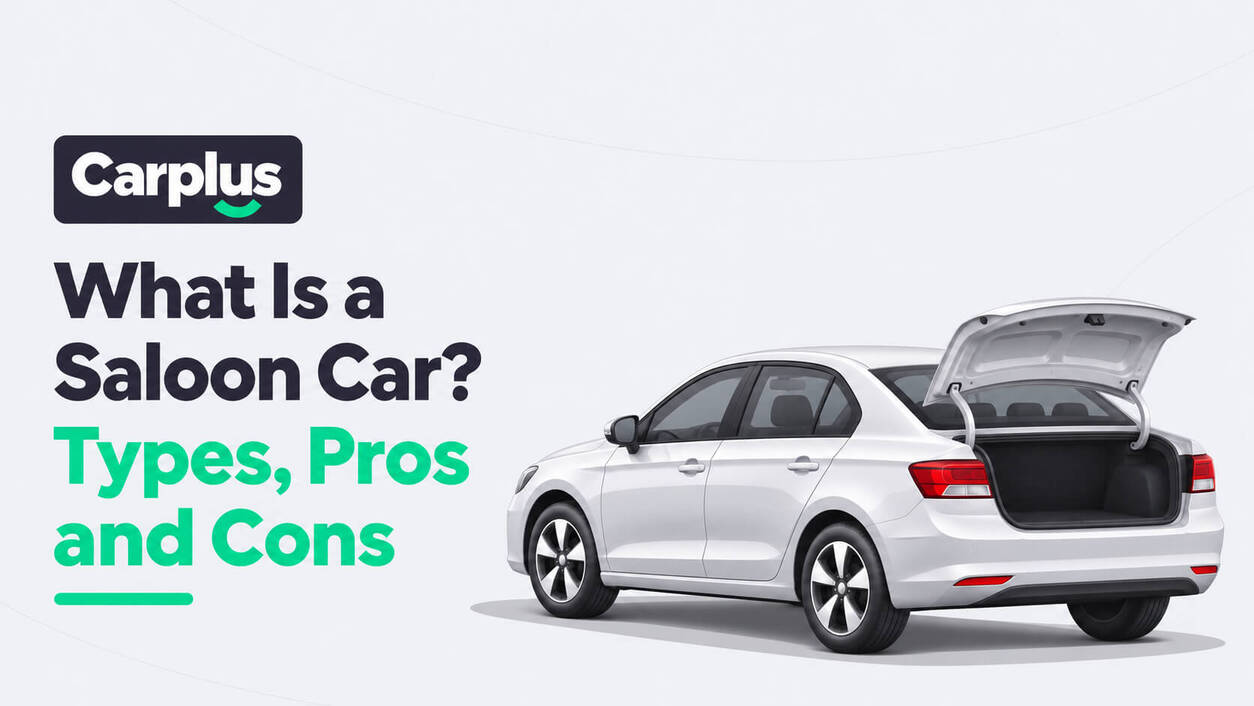
A saloon car has four doors and a boot of its own, separated from the passenger area by the rear seats and a fixed back window. Most saloons seat five people across two rows.
Because the boot is closed off, your luggage stays out of sight and less road noise tends to reach the cabin. That quiet, roomy back seat is why saloons are often used as company cars and private-hire vehicles.
Saloon or sedan?
"Saloon" is the British name for what drivers in the US call a sedan. The two words mean the same body style.
What makes a car a saloon?
A saloon follows a three-box shape, with the engine bay, the passenger area and the boot each forming a separate section. Look at one from the side and you'll see all three. These features set it apart:
- Boot lid: only the lid lifts, and the back window stays in place.
- A closed-off boot: a bulkhead, the fixed panel behind the rear seats, separates the boot from the cabin.
- Folding rear seats: on many models the back seats fold in a 60/40 split, opening a gap through to the boot. That gap takes long items such as skis, but not tall ones.
A saloon's boot opening is smaller than a hatchback's tailgate. So a bike, a flat-pack wardrobe or a large pushchair may not fit, even when the boot looks big on paper. Before you buy, fold the seats and try loading what you carry most.
How many doors does a saloon have?
A saloon has four doors, because its boot lid doesn't count as a door. On a hatchback the tailgate does count, so four passenger doors plus a tailgate make a five-door car. Estates, SUVs and crossovers are listed as five-doors for the same reason.
Saloon vs hatchback: what's the difference?
A saloon's boot lid leaves the back window fixed, while a hatchback lifts the glass with the tailgate. Most other differences follow from that.
| Saloon | Hatchback | |
|---|---|---|
| Rear opening | Boot lid below a fixed back window | Tailgate that lifts with the glass |
| Loading bulky items | Harder, through a smaller opening | Easier, as the boot opens into the cabin |
| Luggage on view | Hidden in a closed boot | Hidden only under a parcel shelf or cover |
| Cabin noise | Tends to be quieter | More road noise can reach the cabin |
| Length | Usually longer in the same class | Usually shorter and easier to park |
A hatchback loads bulky items more easily, because its boot opens straight into the cabin. Yet that open design also lets in more road noise, while a fixed bulkhead and back window shut the boot away from where you sit. Carplus hatchback guide explains how a hatchback differs from a saloon from the other side.
Saloon vs estate and SUV
A saloon sits lower than an SUV and carries less than an estate, but it's the only one of the three with a closed-off boot. An estate stretches the roof back over a longer load space, so it takes more luggage than a three-box car of a similar length.
| Saloon | Estate | SUV | |
|---|---|---|---|
| Rear opening | Boot lid, glass stays put | Tailgate lifts with the glass | Tailgate lifts with the glass |
| Boot | Separate and closed off | Longest and lowest | Tall, often bigger than a hatchback's |
| Seating position | Low | Low | High and upright |
| Best for | Motorway miles, adult passengers | Luggage, dogs, bulky loads | A clear view of the road, rough roads |
An SUV opens at the back like a hatchback, so it isn't a saloon, however tall or boxy its body is. It also sits higher and seats you more upright. There's more on what makes a car an SUV.
Read more: Saloon vs Estate
How can you tell a saloon from a liftback or four-door coupe?
A saloon keeps its back window in place when the boot opens, while a liftback or four-door coupe lifts the glass with it. So whatever the badge says, the quickest test is to open the boot and watch the back window.
A liftback is a hatchback with a long, sloping roof, which is why it can look like a three-box car from the side. Car makers often badge these four-door models Sportback or Gran Coupe. But the badge doesn't decide the body type.
The Skoda Superb and Peugeot 508, for example, look like saloons, but the back window lifts with the boot. That's a plus if you carry bulky things, as a liftback pairs those looks with a much bigger opening.
Types of saloon car
Saloon cars come in several sizes, from compact models close to a family hatchback to large luxury cars. In general, the bigger the class, the more room you get and the more you'll pay.
Compact saloons
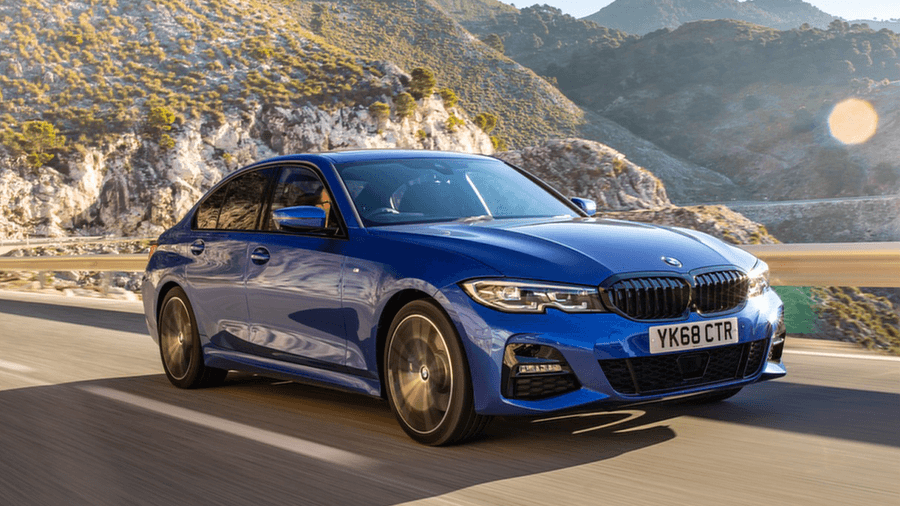
A compact saloon gives you a separate boot in a footprint close to a family hatchback. Compact executive models sit one step up, led by the BMW 3 Series and Mercedes-Benz C-Class.
Executive saloons
An executive saloon puts rear passenger space and ride comfort first. That makes it a natural choice for long journeys, and the BMW 5 Series and Mercedes-Benz E-Class are the usual picks.
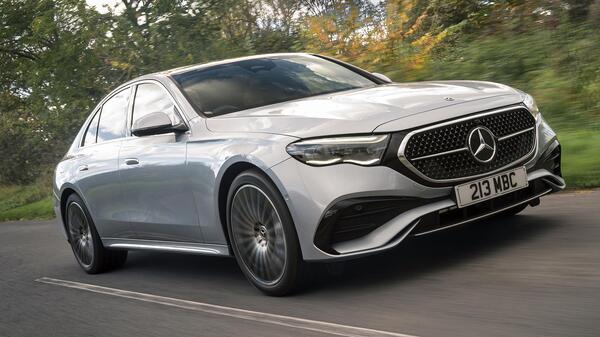
Luxury saloons
A luxury saloon is a maker's flagship, with the most rear space and the latest technology. Think BMW 7 Series, Mercedes-Benz S-Class or Audi A8.
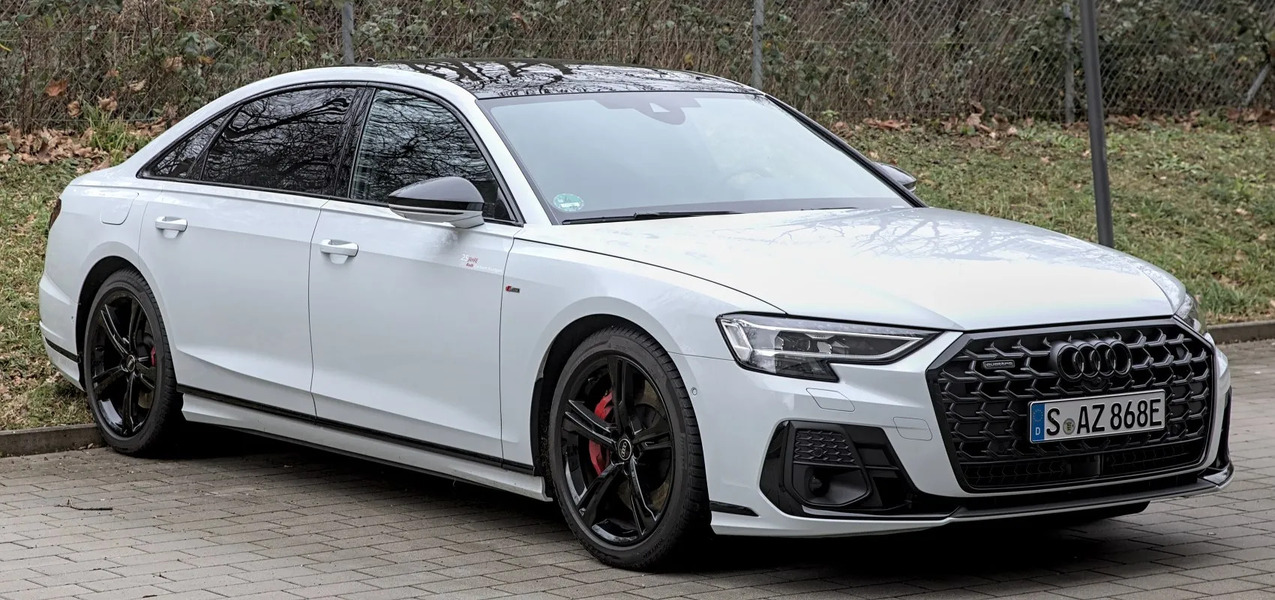
Sports saloons
A sports saloon adds more power, firmer suspension and sharper steering to the standard car. The fastest, such as the BMW M3, are often called super saloons.
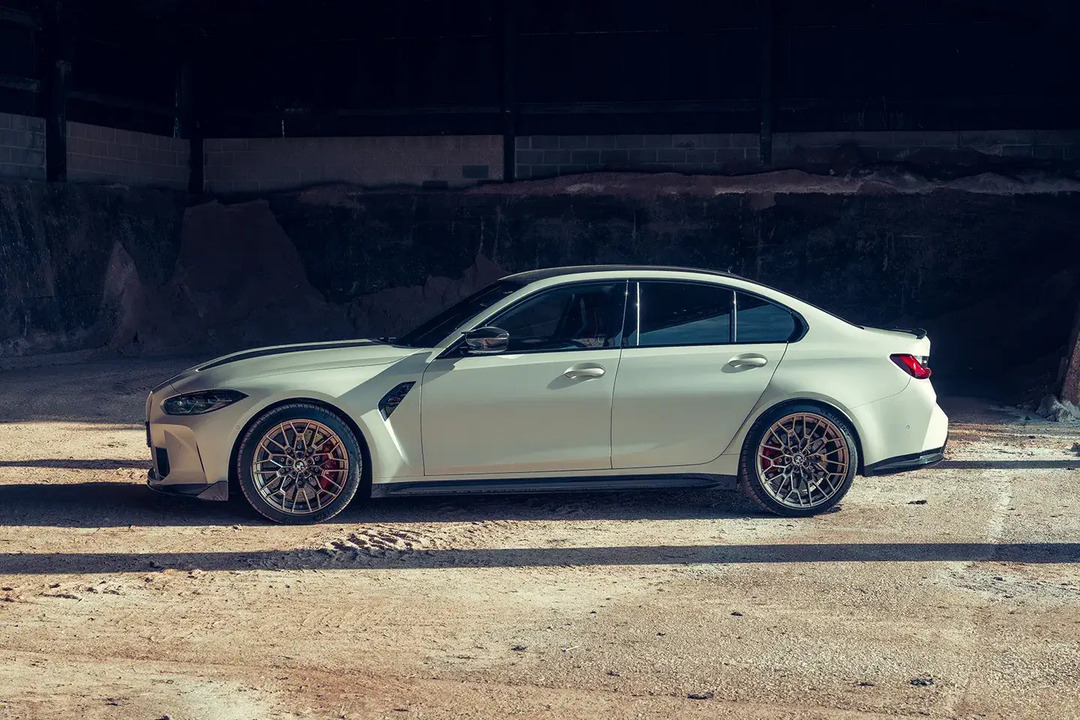
Electric saloons
An electric saloon swaps the engine for a battery and motor but keeps the separate boot. Examples include the Tesla Model 3, Hyundai IONIQ 6 and BYD Seal.
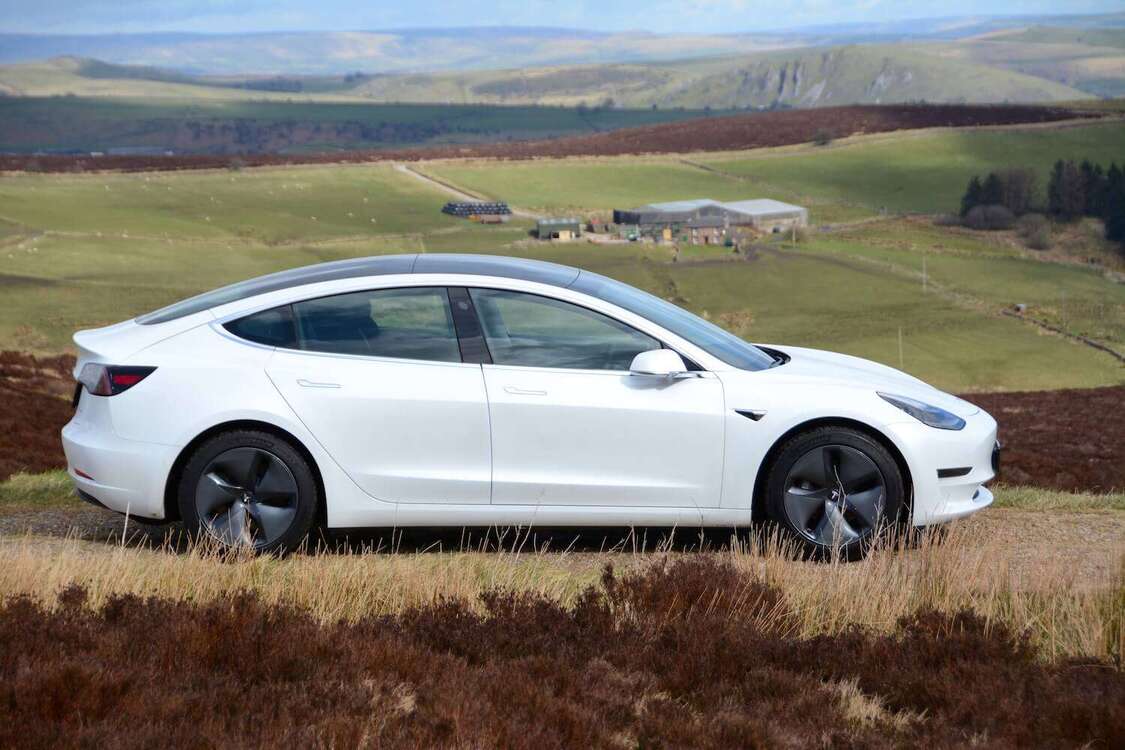
Are saloon cars still popular?
Saloon cars sell far less than SUVs in the UK, but they haven't disappeared. Most saloons still on sale come from premium brands such as BMW, Mercedes-Benz and Audi, alongside a growing number of electric models.
Ford and Vauxhall no longer sell a new saloon in the UK. So for a mainstream model, used is often the easier route. Plenty of models no longer sold new still turn up on the used market.
Pros and cons of a saloon car
A saloon's main strength is a quiet, comfortable cabin, and its main drawback is a smaller boot opening than a hatchback's.
Pros
- Comfortable on long journeys: a low, settled ride and a quieter cabin suit motorway miles.
- Luggage out of sight: the closed boot keeps bags hidden from passers-by.
- Room in the back: many models, especially executive ones, give rear passengers generous legroom.
Cons
- Smaller boot opening: bikes and other bulky items are harder to load than in a hatchback.
- Less flexible boot: folding the rear seats opens a gap rather than one big load space.
- Longer body: many are longer than a hatchback of the same class, so tight town spaces can be harder.
- Smaller choice when new: most new models now come from premium brands, so a mainstream one usually means buying used.
Who is a saloon car best for?
A saloon car suits drivers who cover a lot of motorway miles or often carry adults in the back. It's a weaker fit if you regularly move bulky things.
Want a quiet, settled car for long trips, with room for passengers but no need for seven seats? A saloon fits.
Need to move a bike or bulky furniture? Look at a hatchback or an estate. Or, if you'd rather sit up high, an SUV or one of the cars with high driving positions will suit you better.
Are saloon cars cheap to insure and run?
A saloon car costs about the same to insure and tax as a hatchback with a similar price, engine and emissions. The body style doesn't set either bill.
Insurance depends mainly on the model's insurance group, from 1 (cheapest) to 50. So a sports saloon usually costs much more to cover than a standard version of the same car.
Vehicle Excise Duty (VED), or road tax, follows CO2 emissions and list price, and the current vehicle tax rates are on gov.uk. Many new executive and luxury models cost over £40,000, which can add the expensive car supplement, an extra yearly charge, to the tax bill.
Then add insurance, tax and fuel to the monthly repayment, and this guide to what it costs to run a car covers each bill.
Can you buy a saloon car on finance?
You can buy a new or used saloon car on finance, as long as a lender is happy the repayments fit your income. The two usual options are Hire Purchase (HP) and Personal Contract Purchase (PCP), and the PCP vs HP comparison explains the difference. With both, the lender owns the car until the last payment and can take it back if you fall behind.
Carplus can arrange finance on cars from £4,000 to £40,000 with up to 120,000 miles, which covers many used compact and executive models. And because Carplus works with any UK dealer, you can pick the car first. Carplus eligibility checker uses a soft search, so checking won't affect your credit score.
Table of Contents