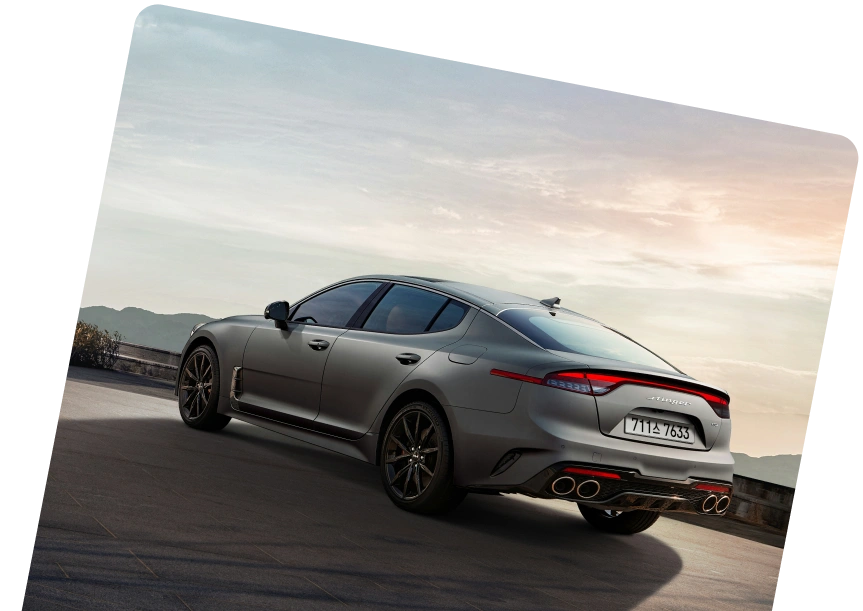





The best used cars for short trips earn their place on this list by combining fuel efficiency, compact dimensions for easy parking, and proven reliability on cold-start daily commutes — the conditions that expose weak engines and thirsty fuel systems fastest. Our 12 picks span budget city cars, practical superminis, efficient hybrids, and fully electric options, so there's a match for most budgets and driving styles.
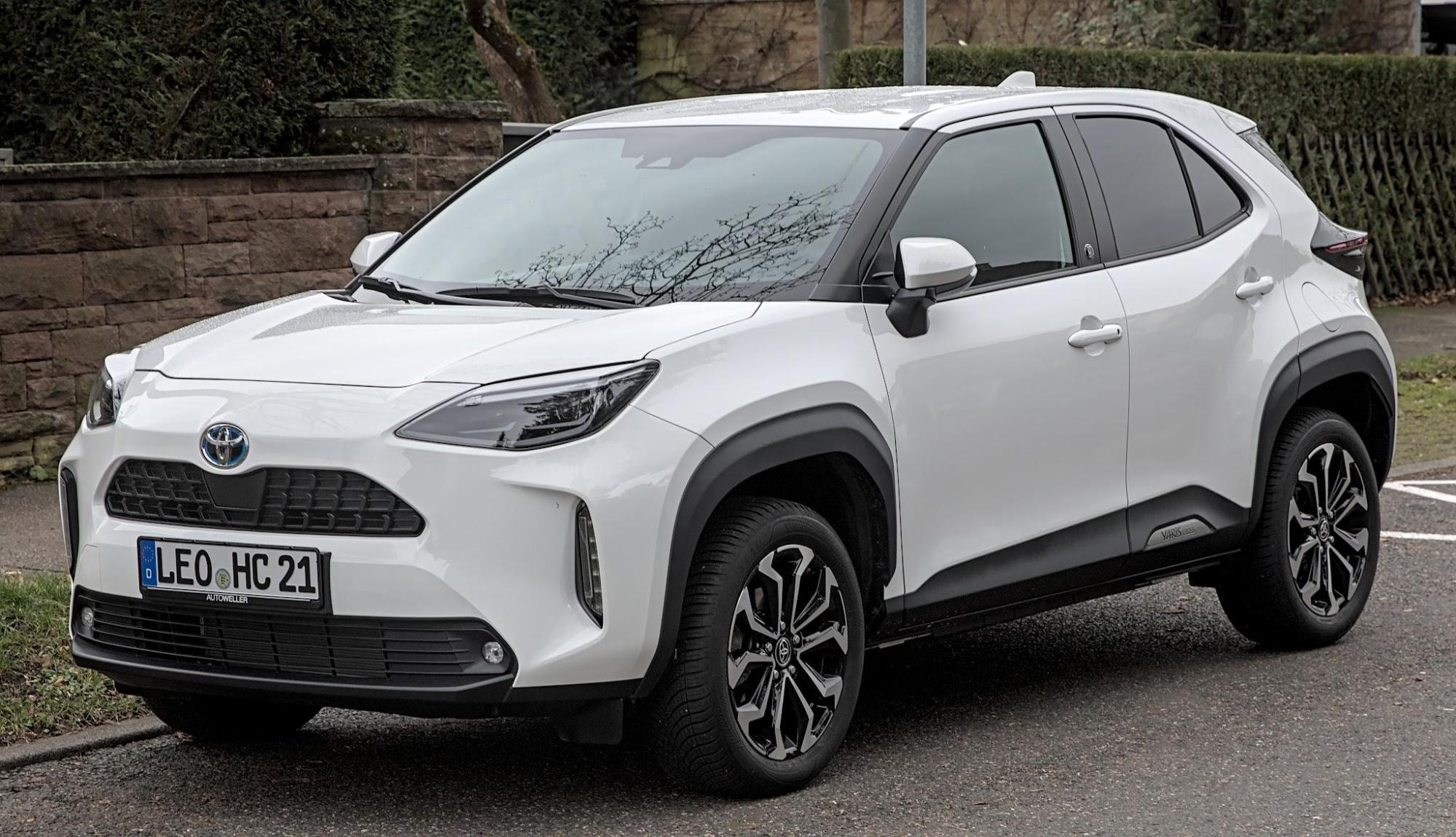
1. Toyota Yaris Hybrid — ~65mpg, minimal cold-start wear
| Body type | Hatchback |
|---|---|
| Doors | 5 |
| Seats | 5 |
| Boot space | 286 litres |
| Fuel type | Petrol-electric hybrid |
The Toyota Yaris Hybrid is a 5-door, 5-seat hatchback built specifically for the kind of stop-start urban driving that punishes petrol engines. Its self-charging hybrid powertrain claims up to 68.8 mpg and delivers real-world efficiency close to that figure on short runs, because the electric motor handles low-speed crawling while the petrol engine stays off. The 286-litre boot fits a weekly shop without drama. Used examples from 2020 onwards typically sit between £12,000 and £16,000.One caveat worth knowing: autodoc.co.uk notes the hybrid battery shows wear earlier — sometimes before 80,000 km, when the car rarely reaches sustained motorway speeds. If your trips stay short, check the battery health on any used example above 60,000 miles.
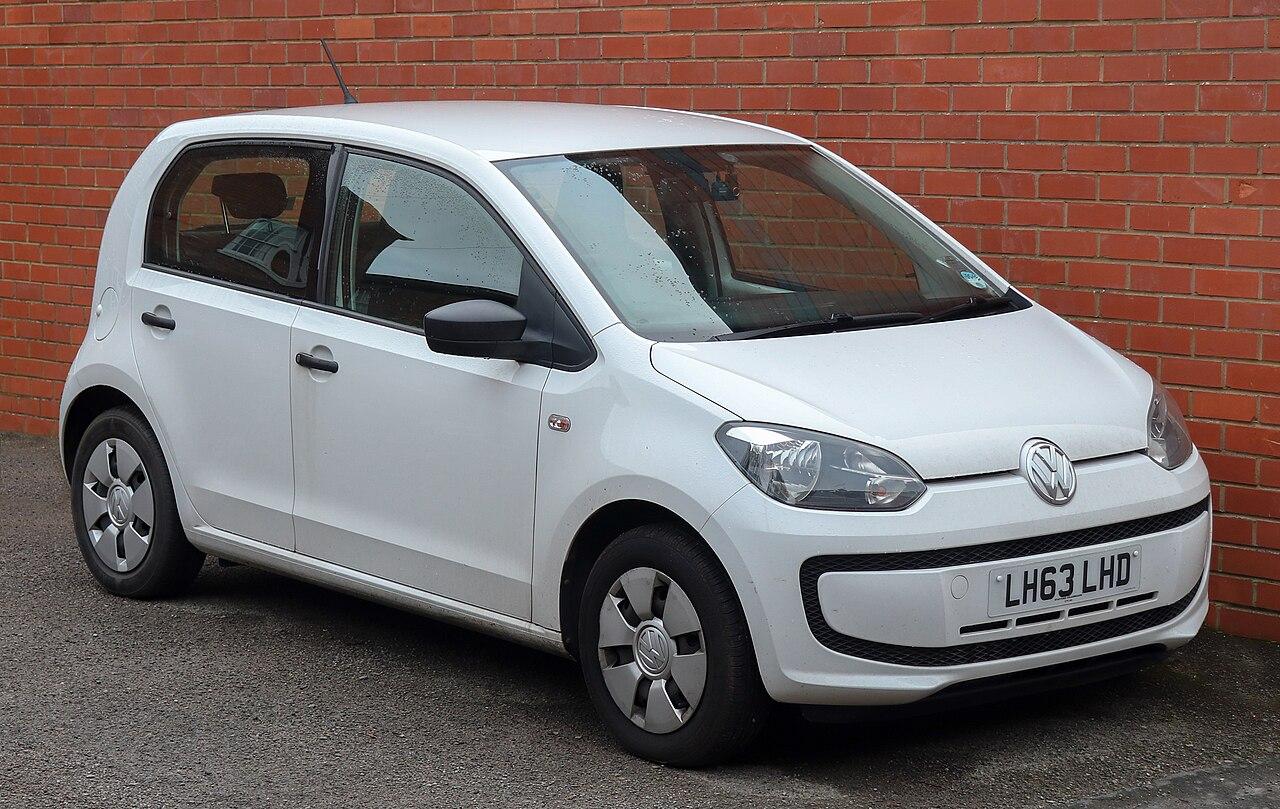
2. Volkswagen Up! — 58mpg, ultra-compact, sub-£8k used price
| Body type | Hatchback |
|---|---|
| Doors | 3 or 5 |
| Seats | 5 |
| Boot space | 251 litres |
| Fuel type | Petrol / Electric (e-Up!) |
The Volkswagen Up! is probably the best city car on sale for short urban trips — a verdict backed by What Car?, which ranks it among the best used cars for frequent short-distance driving. Its 3.6-metre length slots into gaps other cars can't reach, and the tight turning circle makes multi-point turns a non-event on narrow residential streets.
The 1.0-litre petrol engine returns up to 58mpg in real-world urban use. Boot space is 251 litres — compact but sufficient for daily shopping. Used examples from 2017–2021 sit between £5,000 and £8,000.The e-Up! variant adds zero-emission running for urban short trips. The petrol Up! is the more affordable used buy, and virtually every independent garage in the UK can service it.
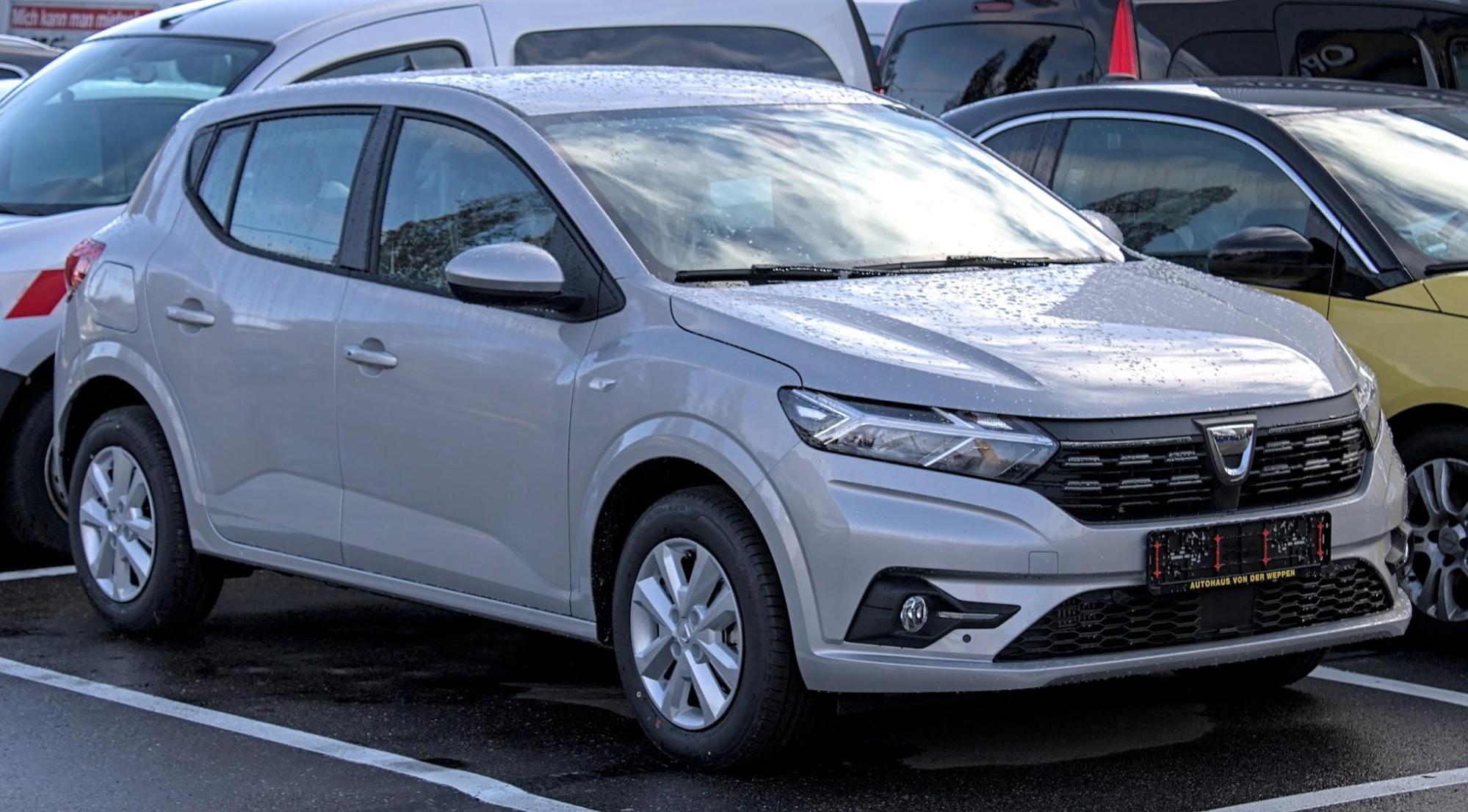
3. Dacia Sandero — lowest buy-in cost in class, strong reliability record
| Body type | Hatchback |
|---|---|
| Doors | 5 |
| Seats | 5 |
| Boot space | 328 litres |
| Fuel type | Petrol / Diesel |
The Dacia Sandero is a 5-door, 5-seat hatchback that delivers the lowest buy-in cost of any car on this list without sacrificing practicality. Its 328-litre boot is the largest in this roundup — noticeably bigger than city-car rivals like the Volkswagen Up! (251 litres), so you can carry a weekly shop without rearranging your life. Carplus describes it as "fun to drive and easy to manoeuvre," which matters when you're threading through tight car parks or reversing into a narrow street daily. Petrol and diesel variants are both available used, giving you flexibility on running costs. Used examples start from around £6,000, hard to beat at this price point.
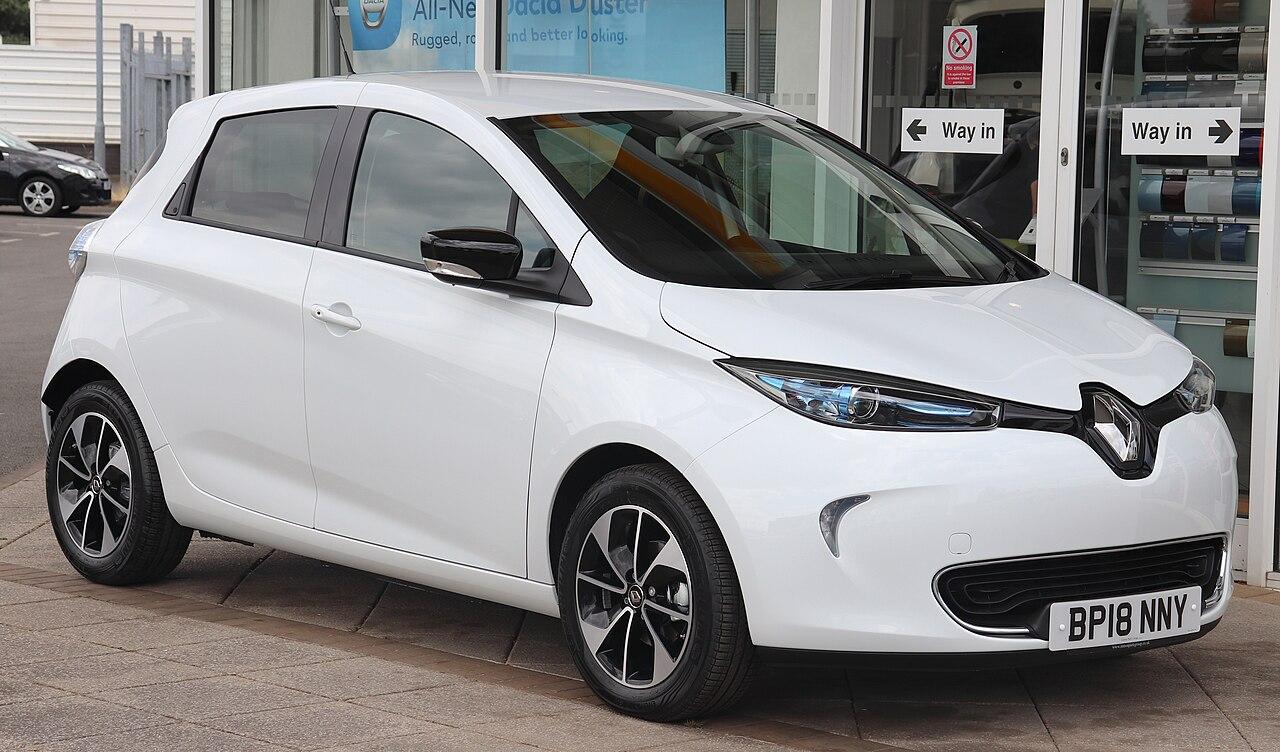
4. Renault Zoe — 245-mile EV range, near-zero fuel cost per short trip
| Body type | Hatchback |
|---|---|
| Doors | 5 |
| Seats | 5 |
| Boot space | 338 litres |
| Fuel type | Electric |
The Renault Zoe is a pure-electric hatchback built for exactly the kind of driving most UK journeys involve — short urban hops where a full tank of petrol is overkill and fuel costs add up fast. Zoe's official range is 186 miles, though around 120 miles is more realistic in real-world conditions. That gap matters, so flag it before you buy, but 120 miles still covers a full week of typical short-hop commuting on a single charge. A smartphone app lets you pre-condition the cabin and schedule charging remotely. Used examples sit between £8,000 and £14,000 depending on battery size and age. The BMW i3 offers a comparable ~193-mile real-world range with a premium interior if your budget stretches further.
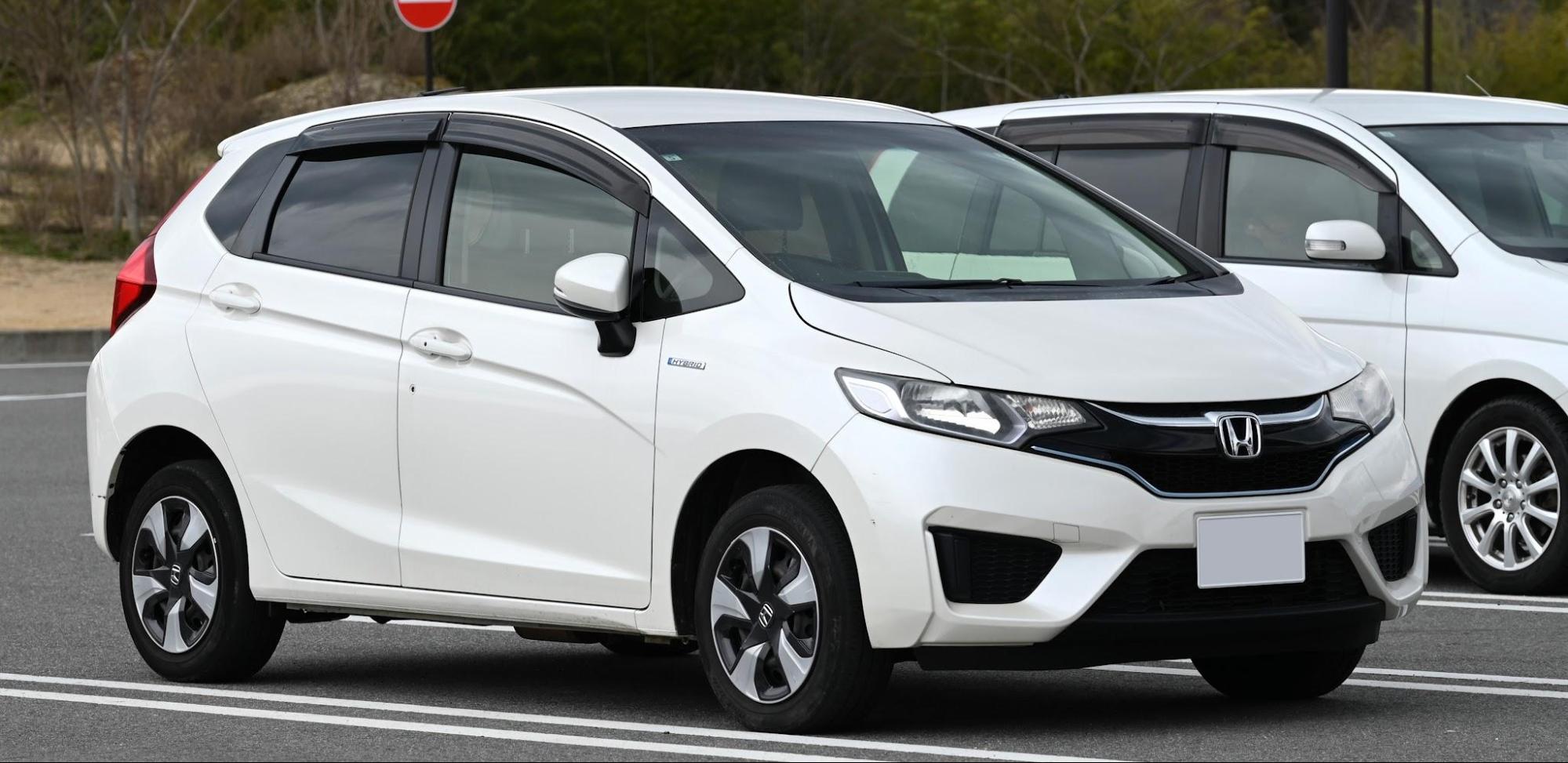
5. Honda Jazz Hybrid — self-charging 62mpg, high seating for easy entry
| Body type | Hatchback |
|---|---|
| Doors | 5 |
| Seats | 5 |
| Boot space | 354 litres |
| Fuel type | Petrol / Self-charging hybrid |
The Honda Jazz is a 5-door hatchback that delivers the largest boot in this roundup — 354 litres, without sacrificing the compact footprint you need for urban parking. Its self-charging hybrid powertrain returns 35–60 mpg in real-world driving, and the comfort-focused suspension smooths out potholes and speed bumps on city streets. Carplus rates it highly for short-trip suitability, noting its reliability alongside the ease of entry from its elevated seating position. The hybrid variant is the one to choose: it charges itself through braking, so short journeys never drain the battery. Used examples typically start around £12,000. More boot space than any rival here, and the ride to match.
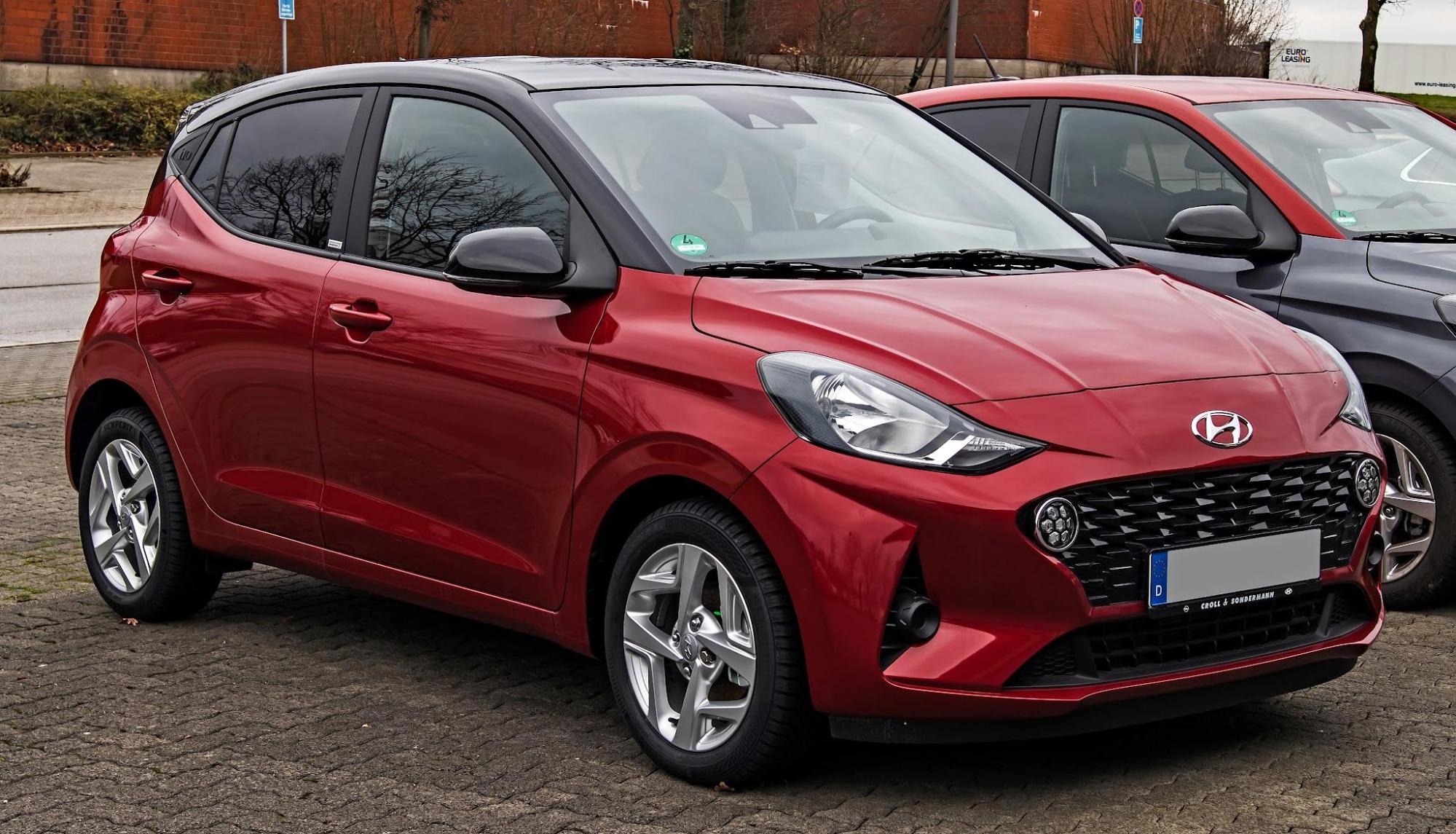
6. Hyundai i10 — 5-star Euro NCAP, low insurance groups, tight turning circle
| Body type | Hatchback |
|---|---|
| Doors | 5 |
| Seats | 5 |
| Boot space | 252 litres |
| Fuel type | Petrol |
The Hyundai i10 is a nippy city car hatchback that delivers 5-star Euro NCAP safety alongside genuinely modern tech — a combination that's rare at this price point. Its compact footprint makes parallel parking and tight urban manoeuvres straightforward, while the 5-door, 5-seat layout keeps it practical for daily use. The 252-litre boot handles shopping runs comfortably. Inside, the cabin stays notably quiet for a city car, and standard Apple CarPlay and Android Auto mean your phone integrates without fuss. Lane-keeping assist and automatic emergency braking come fitted across most trim levels. Used examples typically sit between £8,000 and £13,000 depending on age and mileage. Insurance groups are low, keeping running costs predictable for urban commuters.
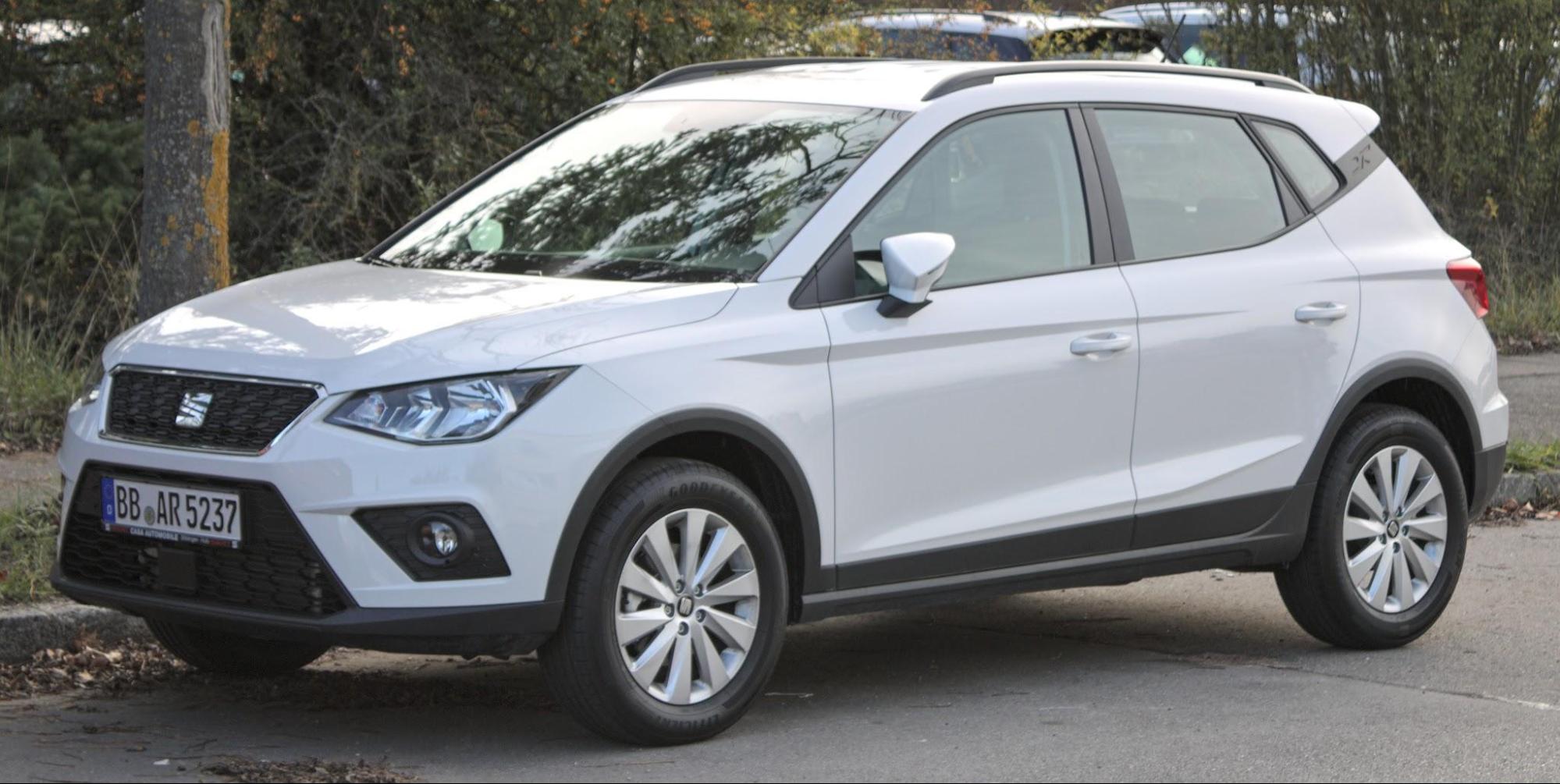
7. SEAT Arona — compact crossover, ~50mpg diesel, accessible ride height
| Body type | Compact crossover |
|---|---|
| Doors | 5 |
| Seats | 5 |
| Boot space | 400 litres |
| Fuel type | Petrol |
The SEAT Arona is a compact crossover that delivers elevated seating, a 400-litre boot, and genuine crossover practicality for under £12,000 used. Its 1.0-litre three-cylinder petrol engine achieves around 50mpg in real-world driving, keeping weekly fuel costs low on short urban and suburban runs. The raised ride height makes getting in and out noticeably easier than a conventional supermini — useful when you're doing multiple short trips daily. Auto Express rates the Arona highly for urban usability and build quality. The FR trim adds sharper styling without sacrificing comfort. Against the Hyundai i10 or Volkswagen Up!, the Arona gives you more space and a higher seating position for a modest price premium.
8. BMW i3 — premium EV runabout, ~120-mile real-world range, tight city turning
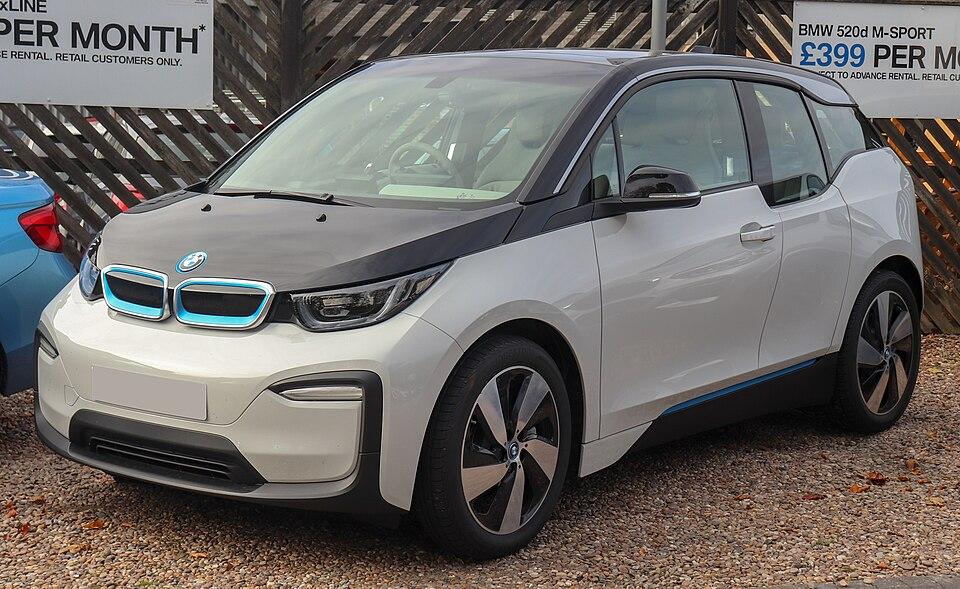
| Body type | Hatchback |
|---|---|
| Doors | 5 |
| Seats | 4 |
| Boot space | 260 litres |
| Fuel type | Electric |
The BMW i3 is a premium electric city car that delivers approximately 193 miles of real-world range — more than enough to cover a full week of typical short urban trips without recharging. Its turning circle of 9.86 metres makes it one of the most manoeuvrable cars in its class, slotting into tight city parking spaces that defeat larger EVs. The interior uses high-quality sustainable materials, giving it a genuinely upmarket feel at used prices of £8,000–£14,000. Auto Express rates the i3 highly for urban usability. The 60Ah battery variant is the one to prioritise for range. Against the Renault Zoe, the i3 feels more refined and better built. This is the premium short-trip EV pick.
9. Fiat 500 — iconic city car, low insurance groups, cheap to park anywhere
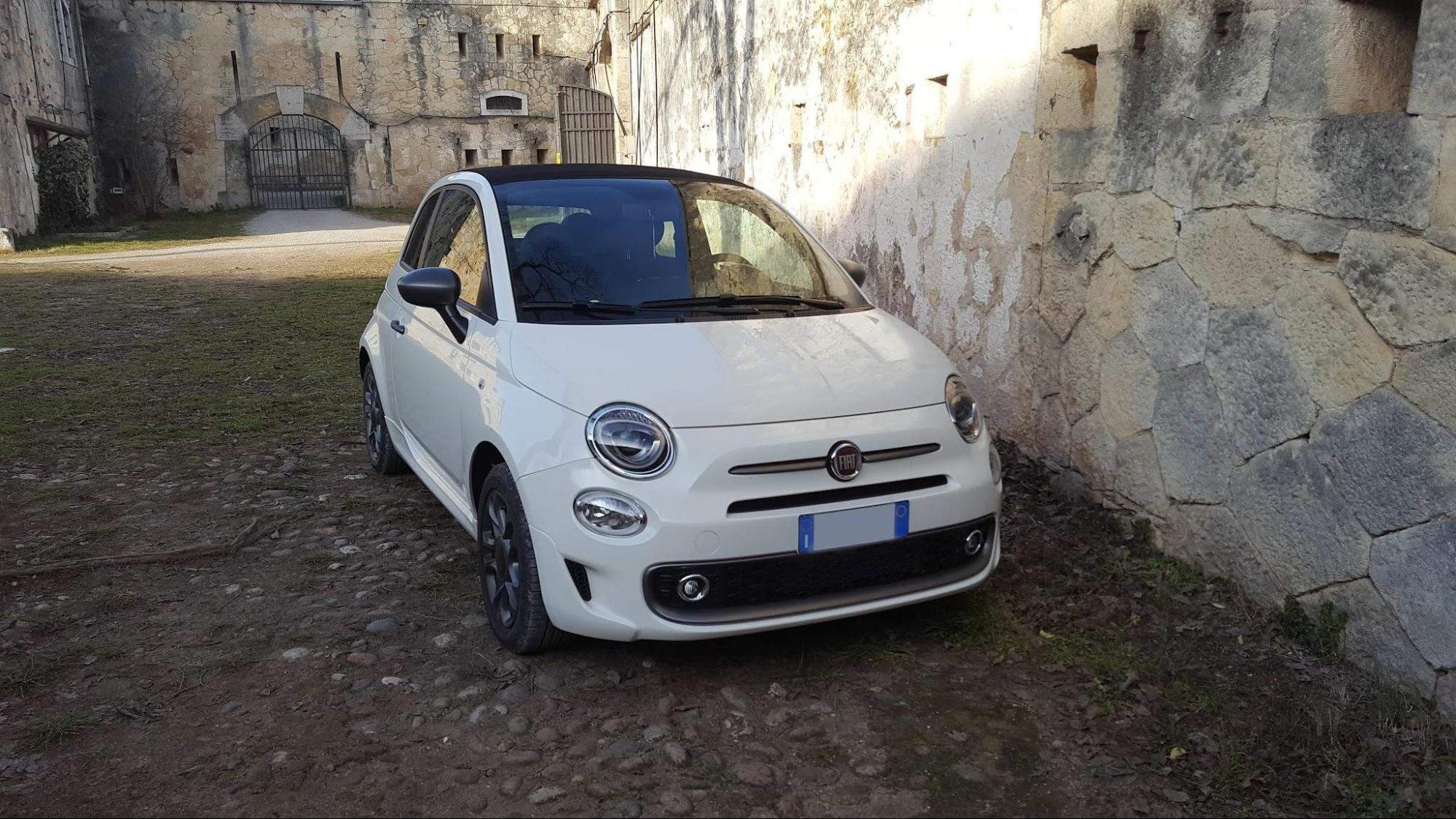
| Body type | Hatchback |
|---|---|
| Doors | 3 or 5 |
| Seats | 4 |
| Boot space | 185 litres |
| Fuel type | Petrol / Electric |
The Fiat 500 is a city car that excels at short urban trips, combining iconic retro styling with compact dimensions that make parking effortless on tight streets. Carplus describes it as "perfect for city driving" — the 3.57-metre length backs that up. The 4-seat layout and 185-litre boot suit solo commuters or couples rather than families. Petrol versions use a 0.9-litre TwinAir or 1.2-litre engine; the fully electric 500e delivers up to 199 miles of official range, covering a full week of typical short runs without a charge. Used petrol examples start around £5,000; the 500e costs more but cuts your pence-per-mile to near zero.
10. Ford Fiesta — UK's most abundant used car, lowest parts and servicing costs
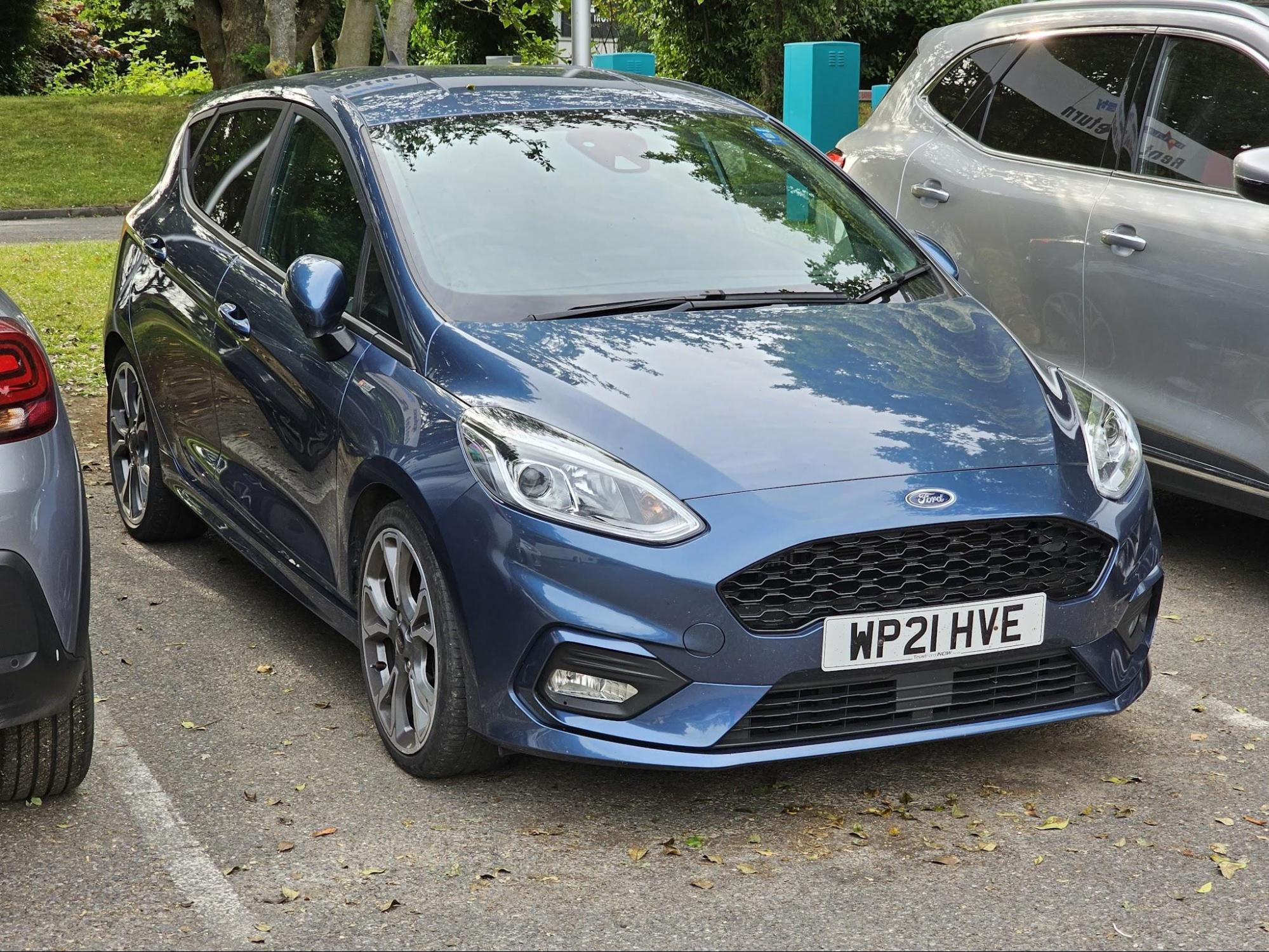
| Body type | Hatchback |
|---|---|
| Doors | 5 |
| Seats | 5 |
| Boot space | 311 litres |
| Fuel type | Petrol / Diesel / Mild-hybrid |
The Ford Fiesta is a 5-door, 5-seat hatchback that remains the most abundant used car in the UK, giving you the widest choice and the lowest parts and servicing costs of any model on this list. Its small size and light controls make handling easy in city traffic, and the 311-litre boot handles daily shopping runs without trouble. Used examples start from around £6,000, with petrol, diesel, and mild-hybrid variants all available. The mild-hybrid trim is the pick if you want lower fuel costs without committing to a full EV. Production ended in 2023, so you're buying used-only but supply is plentiful and prices are competitive.
11. Toyota Aygo X — 72mpg, smallest urban footprint in the list
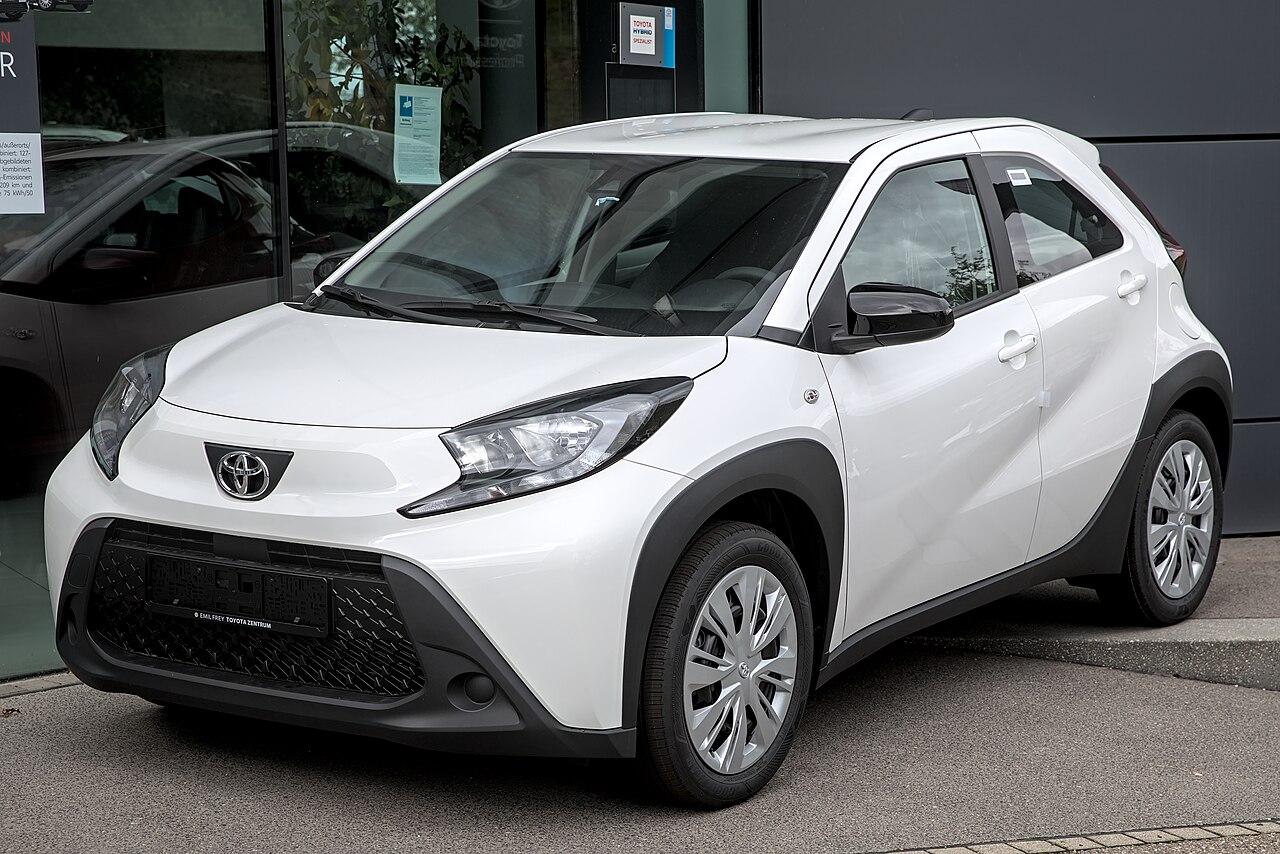
| Body type | Hatchback |
|---|---|
| Doors | 5 |
| Seats | 4 |
| Boot space | 168 litres |
| Fuel type | Petrol |
The Toyota Aygo X is a city car that delivers 72mpg combined and fits into parking spaces most other cars can't reach. Its 3,700mm length makes it the shortest model in this list, which translates directly into easier parallel parking and tighter urban manoeuvring. The 1.0-litre three-cylinder petrol engine is simple, proven, and cheap to service. Auto Express rates the Aygo X highly for urban reliability, noting its straightforward mechanicals keep ownership costs low. The boot holds 168 litres — tight, but sufficient for daily shopping runs. Used examples from 2022 onwards typically sit between £10,000 and £14,000. The base Active trim covers all short-trip essentials. If your priority is the smallest possible footprint with genuine fuel economy, the Aygo X is the pick.
12. Fiat 500e — pure EV, near-zero pence-per-mile on urban short runs
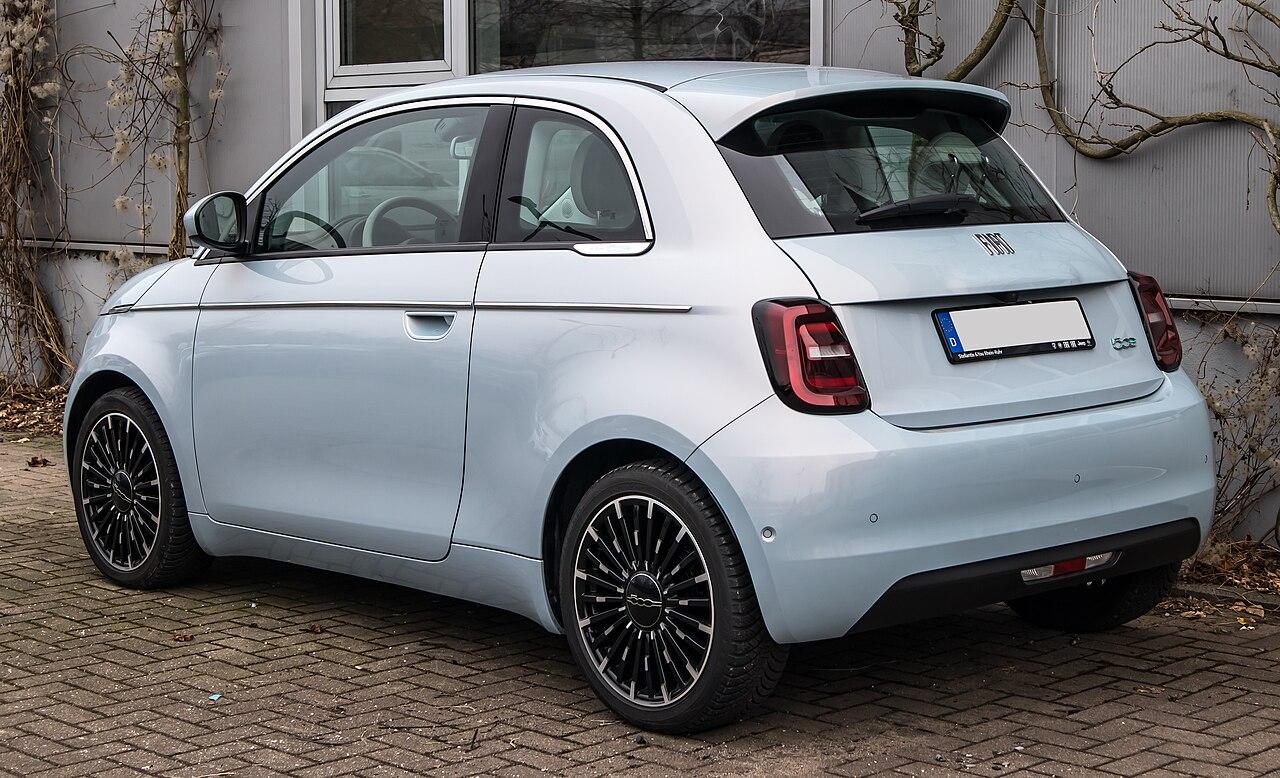
| Body type | Hatchback (city car) |
|---|---|
| Doors | 3 |
| Seats | 4 |
| Boot space | 185 litres |
| Fuel type | Electric |
The Fiat 500e is a pure-electric city car that delivers up to 199 miles of official range on a single charge — enough to cover a full week of typical sub-8-mile UK short trips without plugging in daily. Its compact 3.6-metre length slots into gaps other cars miss, and the turning circle makes tight urban streets genuinely effortless. Cinch rates it "one of the coolest cars around", and the fun-to-drive character backs that up. Running costs drop to near-zero pence-per-mile on short urban runs when you charge at home overnight. Used examples start from around £12,000. The 500e is the short-trip EV that makes every commute feel like a choice, not a chore.
What features make a used car ideal for short-trip driving?
Standard car-buying advice doesn't fully apply when short trips are your primary use case. Features that matter for motorway cruising — aerodynamics, long-range fuel economy, are largely irrelevant here. Here's what actually matters.
- Size and parking. Compact cars are genuinely easier to live with on urban routes. A shorter overall length and tight turning radius mean you can slot into spaces that defeat larger cars. If you're parking and manoeuvring constantly across 8-mile average trips, that friction adds up fast.
- Fuel type and efficiency. Most people miss this: petrol engines rarely reach their optimal running temperature on short, stop-start urban journeys, so they run inefficiently and wear faster than the mileage suggests. Hybrids sidestep this by running on electric power at low speeds, avoiding the cold-start penalty. EVs eliminate it entirely. In real-world short-trip use, petrol returns roughly 70–85% of its WLTP claimed figure; hybrids achieve 80–90%; EVs operate at near-zero fuel cost per trip.
- Reliability for short-trip patterns. Low mileage doesn't mean low wear. Short trips degrade engine oil faster because the engine never fully heats up — so service intervals should drop to around 7,500 miles rather than the standard 10,000–15,000. On used hybrids, check the 12V auxiliary battery: it can drain rapidly if the car sits unused for even a few days.
- Boot space. Solo commuters manage fine with 185–200 litres. Add weekly shopping and you want 250 litres or more. Families need 300 litres minimum.
Are EVs and hybrids actually worth it for short-distance driving?
Hybrids and EVs genuinely outperform petrol on short trips — and the reason is cold-start inefficiency. Petrol engines rarely reach optimal running temperature on typical city journeys: "no engine is going to be especially efficient in the kind of low-speed, stop-start driving that many people do a lot of the time." Hybrids sidestep this by running on electric power at low speeds. EVs avoid it entirely.
The table below shows what that means for your wallet over 5 years at around 6,000 miles per year.
| Factor | Petrol | Hybrid | EV (home charging) |
|---|---|---|---|
| Used purchase price | £4,000–6,000 | £8,000–12,000 | £12,000–18,000 |
| Annual fuel cost | £600–800 | £400–500 | £200–250 |
| Annual servicing | £150–250 | £250–300 | £100–150 |
| Annual road tax | £155–160 | £0–155 | £0 |
| 5-year total cost | ~£6,000–7,500 | ~£7,500–9,500 | ~£12,000–14,500 |
| Cold-start efficiency | Poor | Excellent | N/A |
| Range anxiety | None | None | Only without home charging |
How to Choose the Right Used Car for Short Trips
Used cars chosen specifically for short-trip commuting have a demonstrably better wear profile than high-mileage motorway examples. Low annual mileage means predictable wear patterns and minimal extreme engine stress. If the service history is complete and intervals are tight, a used short-trip car is statistically a safer buy than a higher-mileage alternative.
One service-history flag matters here: if you primarily drive short journeys, drop your service interval to around 7,500 miles rather than the standard 10,000–15,000 miles, as engine oil degrades faster on short runs. Check that the previous owner did the same.
| Your profile | Top picks |
|---|---|
| £4–6k, solo commuter, parking priority | Hyundai i10, Toyota Aygo X, Ford Fiesta |
| £6–8k, practical boot, petrol | Dacia Sandero, Volkswagen Up! |
| £8–12k, hybrid preferred | Honda Jazz Hybrid, Toyota Yaris Hybrid |
| £12k+, home charging available | Renault Zoe, Fiat 500e, BMW i3 |
| Accessibility priority, easy entry | Honda Jazz, SEAT Arona, Hyundai i10 |
The Volkswagen Up! earns its place as probably the best city car on sale for urban manoeuvring and comfort. The Hyundai i10 is the nippy little city car that suits tight budgets and tight streets equally well.
On hybrids: check the 12V auxiliary battery condition before buying. Short-trip cars that sit unused for a few days can drain it rapidly, and early replacement adds cost you won't see coming.
Table of Contents