
★★★★★
10 out 10.Efficient and very professional.

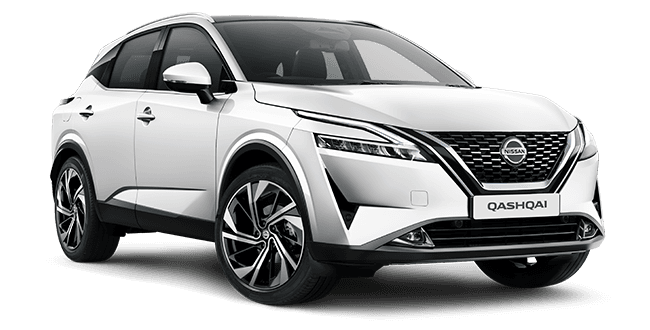
Hybrid cars have earned their place in the mainstream. They're quieter, more fuel-efficient than many traditional petrol cars, and don't require the same commitment as a fully electric vehicle. It's easy to see why more drivers are making the switch.
Hybrid car finance gives you another way to purchase a car, with a choice of finance agreements that let you spread the cost over time.
Yes, hybrid car finance is usually available through our lenders and the application process is the same to financing any petrol or diesel vehicle. But your options and approval, as always, depend on the lender’s criteria and the vehicle you choose.
Getting approved for hybrid finance depends on more than the model you've chosen. Lenders will check your income, credit history, affordability and the details of the finance agreement before deciding whether to make an offer.
The car matters, too. Some lenders only finance vehicles within a certain age, mileage or price range, so not every hybrid electric vehicle will qualify.











A hybrid car has two sources of power: a petrol combustion engine and a small electric motor. Instead of relying on just one system like electric vehicles, it automatically switches between them or uses both at the same time, depending on what's needed. The hybrid car batteries store the electricity needed to support the motor.
From the driver's seat, there's very little to learn. The car manages everything in the background, so it feels much like driving a conventional automatic, even though it's partly powered by electricity.
Hybrid and electric technology isn't limited to one style of vehicle, either. You'll find it in everything from small hatchbacks and family SUVs to executive saloons and estates. You can even get a hybrid van if you need extra space or use your vehicle for work.
When people say hybrid, they could be talking about three different types of cars. The biggest difference is how the battery is charged and how much of the driving the electric motor can do.
A full hybrid charges its own electric battery as you drive, so you never need to plug it in. At low speeds, such as in traffic or car parks, it can run on electric power alone for short distances. Once you need more power, the petrol engine takes over or works alongside the electric motor.
If you want better fuel economy without changing your routine, FHEVs (full hybrids) are the easiest place to start. You fill it up with petrol just like any other car, and the system does the rest.
A mild hybrid is the type of hybrid closest to a regular petrol car. The electric motor cannot drive the vehicle by itself. Instead, it gives the engine a small boost when you pull away, overtake or accelerate, which reduces fuel use. Like a full hybrid, there's nothing to plug in.
If you're choosing a car and want something familiar with slightly lower running costs, a mild hybrid could be worth a look. Just don't expect the same fuel savings as a full or plug-in hybrid.
A plug-in hybrid has a much larger battery, which means it can travel much further using electricity alone. Unlike the other two types, you'll need to charge it from home or at a public charging point to get the most from it.
For someone who drives 15 to 30 miles every day, a PHEV can handle many journeys without using much petrol at all. But if you rarely charge it, it behaves much like a heavier petrol car, so you won't see the same savings.
Most people buying a hybrid car on finance choose between two options:
With HP car finance, you're working towards owning the car. You'll pay a deposit, then make fixed monthly payments over an agreed term. Once you've made every payment and paid the option-to-purchase fees, car ownership transfers to you. If you cover a lot of miles each year, HP may suit you better because annual mileage charges don't usually apply.
Because you're paying off almost the full value of the vehicle, payments are usually higher than with PCP. In return, there's no large final payment waiting at the end.
PCP car finance works a little differently. Your monthly repayments are lower because part of the car's value is left until the end of the agreement as an optional balloon payment. When the agreement ends, you normally have three options:
Many people use PCP because it gives them the chance to change cars regularly instead of keeping one for years.
One thing to check before signing is the mileage limit. Most PCP agreements include one, and going over it could mean excess mileage charges if you return the car.
Usually, no, because lenders often assess hybrid car finance in much the same way as finance for petrol or diesel vehicles. Their decision, as always, will usually depend more on the applicant’s credit history, income and affordability, although the available terms may vary.
When you apply, the lender looks at your income, credit history, affordability and the details of the hybrid car loan. The hybrid itself also needs to meet the lender's criteria, which may include limits on its age, mileage or value. If the vehicle qualifies and your application meets the lender's requirements, the fact that it's a hybrid is unlikely to be the deciding factor.
Yes, because having bad credit does not automatically rule out hybrid or electric car finance. Some lenders may consider applications from people with a lower credit score. But this does not guarantee approval.
You could also be offered a higher interest rate or asked to pay a larger deposit.
Every application is assessed individually. Along with your credit record, lenders will consider your wider financial situation, including your income, outgoings and existing commitments.
The exact requirements vary by lender, but you will need to meet criteria around your personal details, income, credit history and the vehicle itself.
| To apply for car finance you need to | Requirements | Car must meet the following criteria: |
|---|---|---|
| Provide your full name, date of birth, and nationality | Be aged 18-75 years old | Cost between £4,000 and £40,000 |
| Share your recent address history | Pay an initial deposit if the lender requires one | Have no more than 120,000 miles on the clock |
| Confirm your employment status | Receive a monthly income of at least £1,000 | Be no older than 14 years at the end of the finance agreement |
| Show your income and regular monthly outgoings |
The price of a hybrid car varies quite a bit depending on the model, age, mileage and features.
Used hybrid cars:
Hybrid cars can be more expensive than petrol models to buy, but they have plenty to offer in return:
If you're looking for hybrid models, Carplus is a credit broker with access to a panel of lenders. You can compare hybrid car finance across a wide range of used cars, all in one place.
These estimates are subject to credit checks and may change when you apply for finance. this is for example purposes only
Maximum borrowable amount
Rates from 9.9% APR: the exact rate you will be offered will be based on your circumstances, subject to status. Representative Hire purchase (HP) example: borrowing £7,000 over 5 years with a representative APR of 21.9%, the annual interest rate of 21.9% (Fixed) and a deposit of £0, the amount payable would be £185.33 per month, with a total cost of credit of £4,119.81 and a total amount payable of £11,119.81. We look to find the best rate from our panel of lenders and will offer you the best deal that you're eligible for. We receive a fixed fee commission per finance agreement, or we receive a commission based on a percentage of the total amount of finance taken. This will not affect the interest rate offered or the total amount repayable. Our service is free.
Rated excellent by our customers
Real experiences from people we've helped find the right car finance.
For many UK drivers, yes. Hybrid cars work well if you spend a lot of time driving around towns, cities, or in traffic because the electric motor can help reduce fuel use. They can also be a good middle ground if you’re not ready for a fully electric car. You can drive short distances on electric power but still rely on petrol for longer trips without stopping to charge.
If you mostly drive long distances, the fuel savings may be less noticeable.
Sometimes. A hybrid usually costs more to buy, but drivers who cover lots of miles make some of that back through lower fuel costs.
They work well for drivers who often sit in traffic or make frequent local trips. If you only drive once in a while, you may not save enough on fuel to justify paying more upfront.
No. Some lenders offer no-deposit deals, although your monthly payments may be higher because you’re borrowing more.
It depends on the car, how you drive and your usual running costs.
Fuel is where many hybrid owners notice the biggest difference. They are especially efficient in slower traffic because the electric motor takes some pressure off the petrol engine. You will still need to pay for insurance, servicing, tyres and repairs, just like with any other car.
A hybrid car can last many years if it’s looked after properly. The battery is designed to cope with long-term use, and many manufacturers cover it with a separate warranty. That said, the car’s history matters more than the fact it is a hybrid.