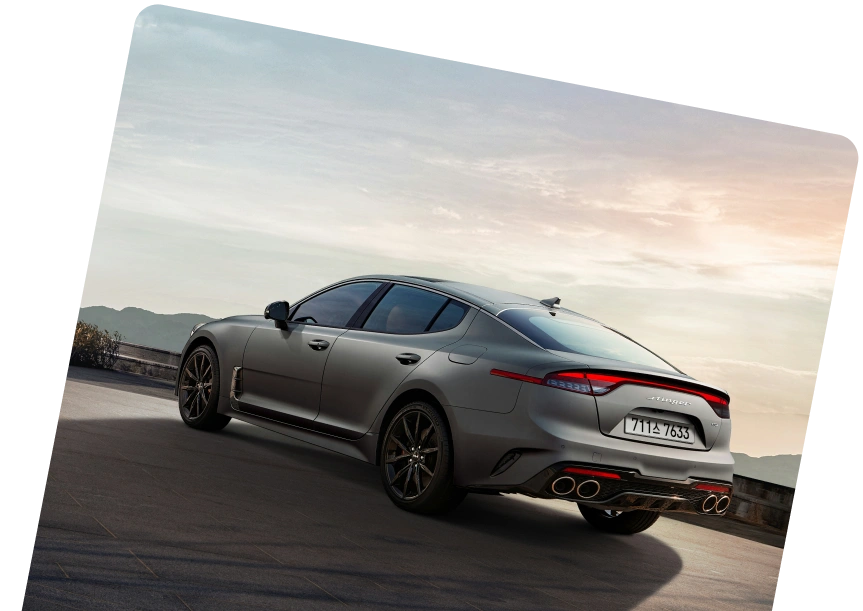





Boot space, real-world usability, and used-market value are the 3 criteria every car on this list had to pass. We've ranked 12 used cars — from the budget-friendly Dacia Jogger to premium estates and electric MPVs, covering estates, SUVs, MPVs, and hatchbacks across every price tier. You'll also find practical guidance on what boot measurements actually mean for prams, suitcases, and weekly shops, plus financing options if your credit history isn't perfect.
1. Mercedes V-Class — 1,030L boot with all rear seats in place
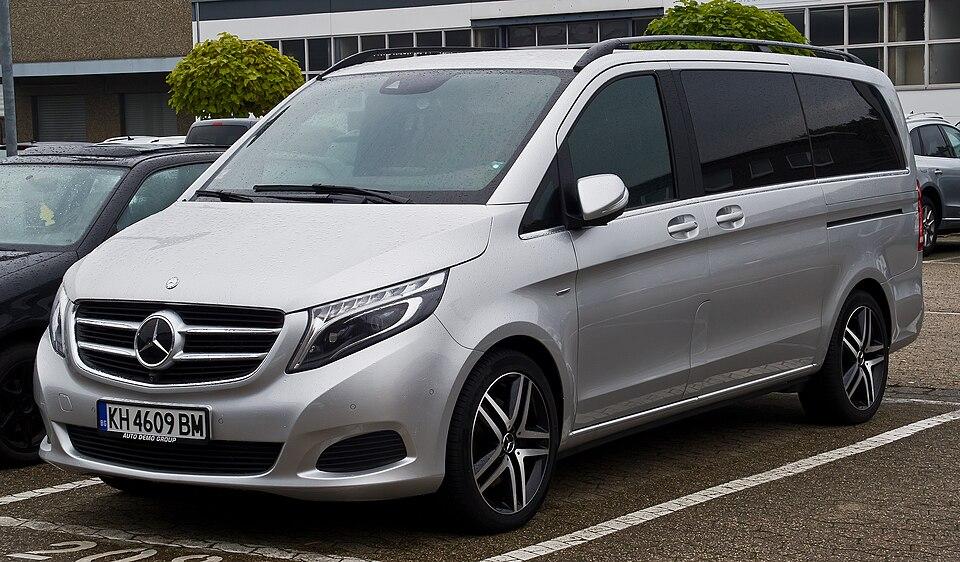
| Body type | MPV / Van-based |
|---|---|
| Doors | 5 |
| Seats | 7–8 |
| Boot space | 1,030L (all seats in) / 2,100L+ (full fold) |
| Fuel type | Petrol / Diesel |
The Mercedes V-Class is a van-based MPV that carries 1,030 litres of luggage with all rear seats in place — more than most estate cars manage with their seats folded flat. Slide or remove the rear rows entirely and that figure climbs past 2,100 litres, a volume closer to a small van than a family car.
The V-Class drives like the van it is based on — tall, wide, and unhurried with a practical interior, so it suits families who prioritise load volume over driving dynamics. Used examples from 5 to 8 years old sit between £25,000 and £45,000, making this the premium end of the list. If your priority is the absolute maximum boot space available in a used car, nothing else on this list comes close.
2. Volkswagen Tiguan Allspace — 700L (five seats), 1,775L flat
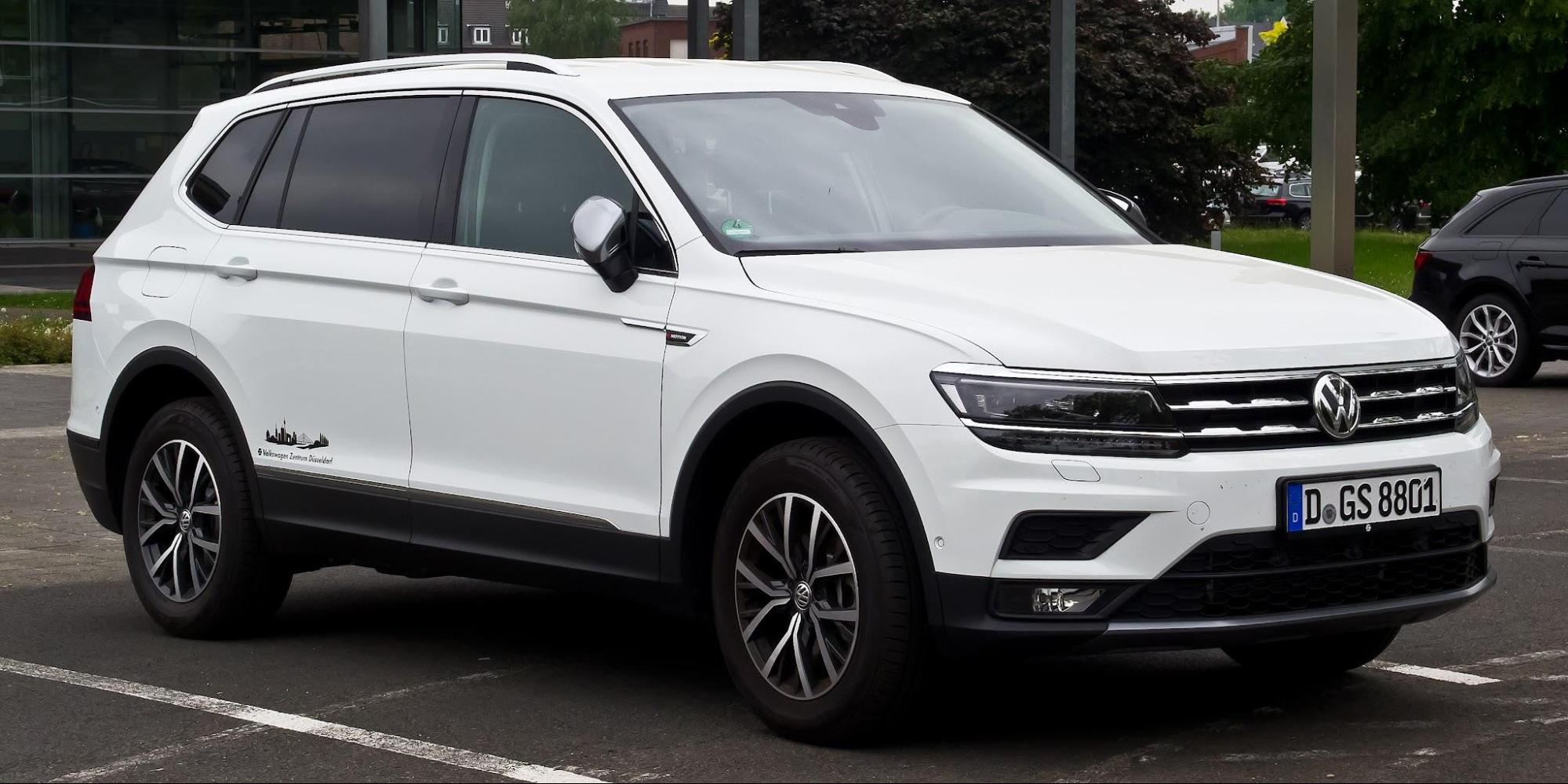
| Body type | 7-seat SUV |
|---|---|
| Doors | 5 |
| Seats | 7 (third row folds flat) |
| Boot space | 230L (7-seat) / 700L (5-seat) / 1,775L (flat) |
| Fuel type | Petrol / Diesel |
The Volkswagen Tiguan Allspace is a 7-seat SUV that solves the boot-versus-passengers trade-off most family SUVs force you to accept. Its sliding rear seats adjust up to 180mm — push them forward for a 700L boot, or slide them back for genuine adult legroom.
At 700L with 5 seats in use, it beats the Skoda Kodiaq's 630L. Fold everything flat and you reach 1,775L. Used examples from £18,000 make it one of the most affordable genuine 7-seaters with a large boot. This is the pick if you need occasional 7-seat capacity without sacrificing daily practicality.
3. Peugeot 5008 — 702L (five-seat mode), seven-seat SUV
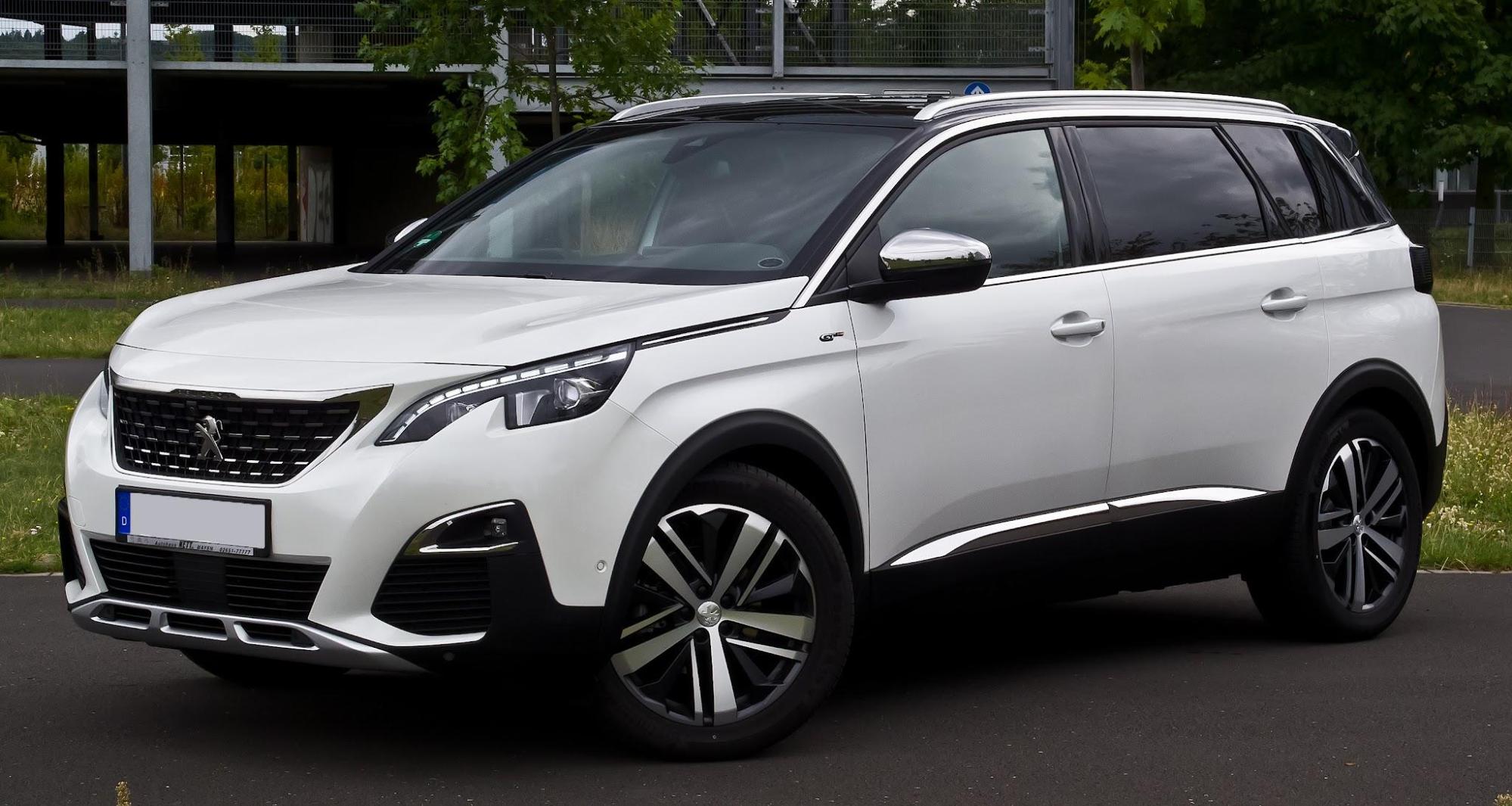
| Body type | SUV |
|---|---|
| Doors | 5 |
| Seats | 7 |
| Boot space | 952L (5-seat), 348L (7-seat) |
| Fuel type | Petrol / Diesel |
The Peugeot 5008 is a 7-seat family SUV that delivers 952 litres of boot space in 5-seat configuration — beating the Hyundai Santa Fe and Skoda Kodiaq, and placing it among the biggest-booted family SUVs on the used market. That 952-litre figure sits well above the 900-litre threshold that only large SUVs like the Mercedes GLS (890 litres, 5-seat) reach. Drop all 7 seats and the boot shrinks to 348 litres, but underfloor storage keeps smaller items accessible. Used Mk2 examples typically start from £18,000–£25,000, making the 5008 significantly cheaper than the GLS at comparable mileage. The BMW X7 clears 750 litres in 5-seat mode; the Ford Grand Tourneo Connect MPV reaches 1,287 litres, but neither matches the 5008's balance of space, price, and everyday usability.
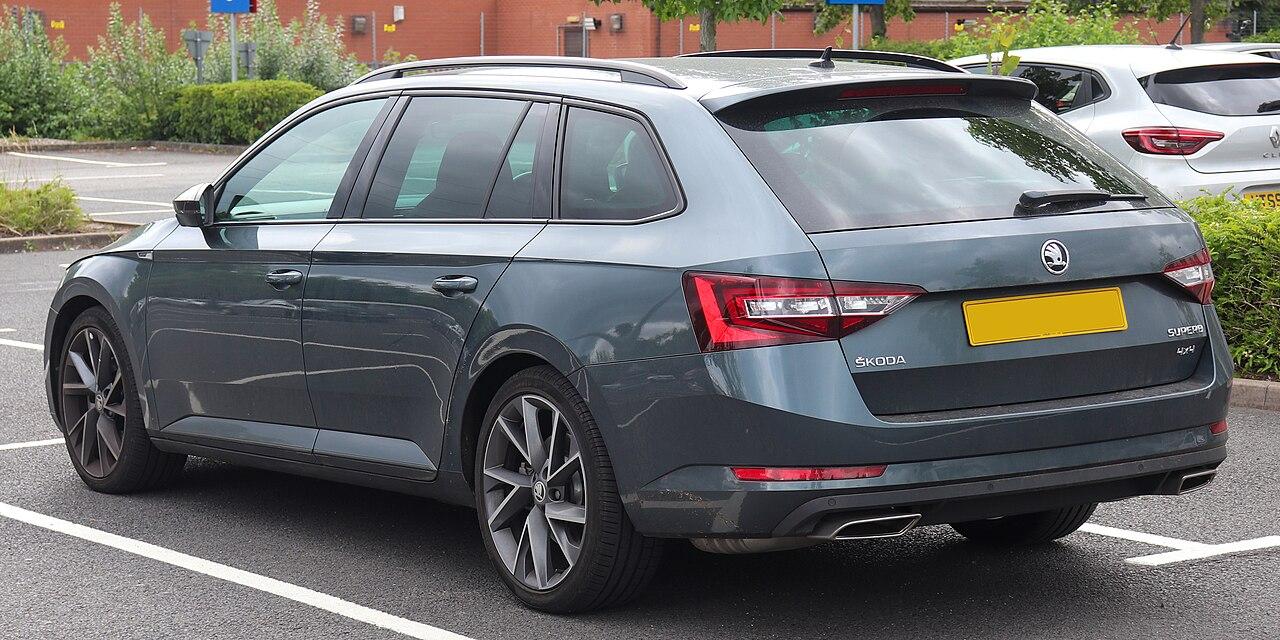
4. Skoda Superb Estate — 660L seats up, 1,950L flat
| Body type | Estate |
|---|---|
| Doors | 5 |
| Seats | 5 |
| Boot space | 690L (seats up) / 1,920L (seats flat) |
| Fuel type | Petrol / Diesel / Plug-in hybrid |
The Skoda Superb Estate delivers a warehouse-like 690-litre boot with all 5 seats in use, growing to 1,920 litres with the rear seats folded flat — one of the largest load bays in the estate-car segment. That cavernous floor is also genuinely square and low-lipped, so sliding a pram or large suitcase in takes seconds rather than a wrestling match. The 2.0 TDI diesel returns around 55–60mpg in real-world use, keeping running costs manageable. What Car? consistently rates the Superb Estate among the best family estates for value and practicality. Used examples start from around £12,000–£18,000. This is the benchmark mid-budget estate.
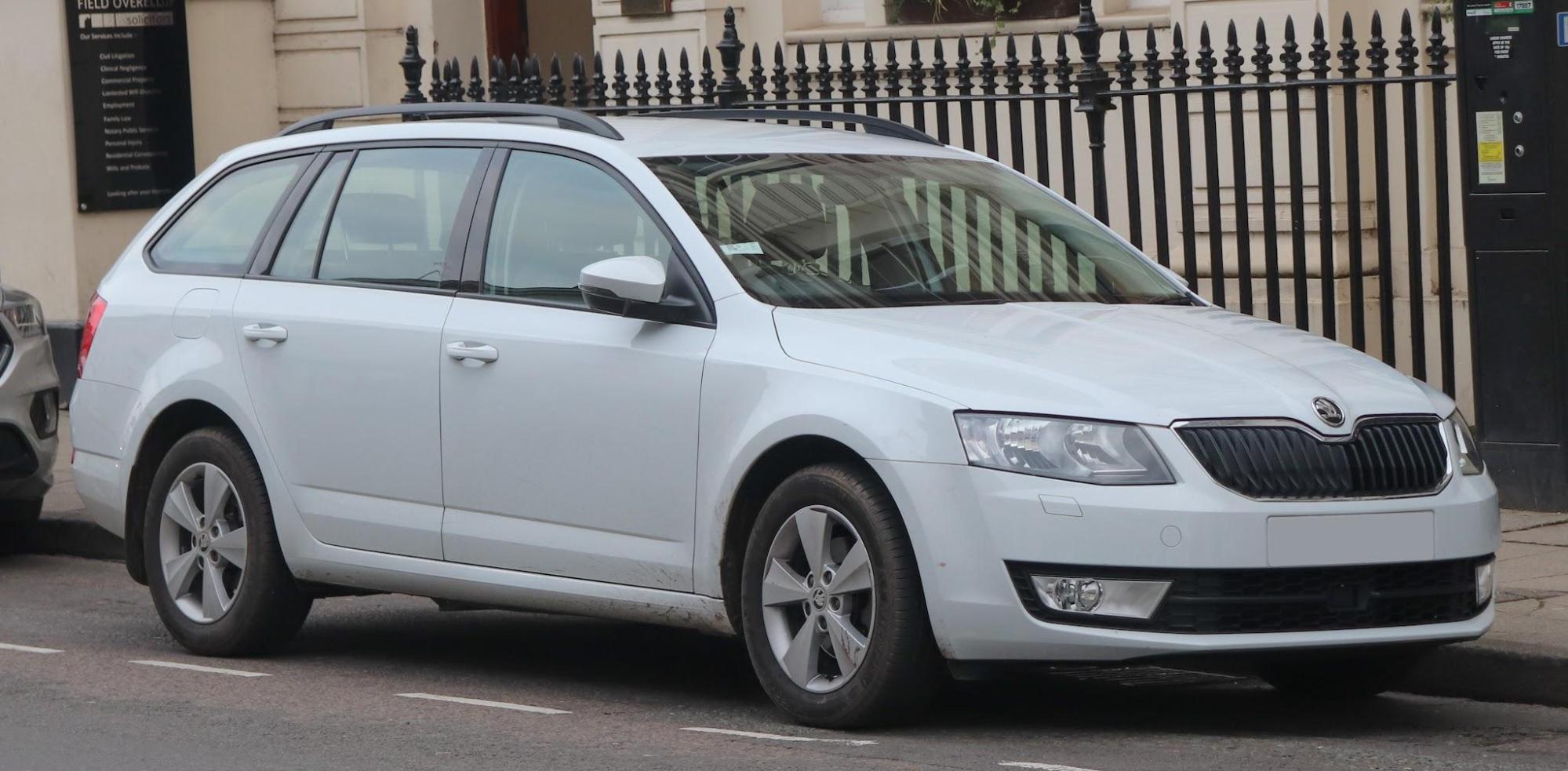
5. Skoda Octavia Estate — 640L seats up, 1,700L flat
| Body type | Estate |
|---|---|
| Doors | 5 |
| Seats | 5 |
| Boot space | 600L (seats up) / 1,555L (flat) |
| Fuel type | Petrol / Diesel |
The Skoda Octavia Estate is a compact family car that delivers 600 litres of boot space with rear seats up — a figure that breaks the 600-litre threshold usually reserved for full-size estates. Fold the seats flat and that expands to 1,555 litres, enough for flat-pack furniture, a pram, or a full family camping load.
For used 5-seater buyers, the Octavia sits just below the Superb Estate (690L) on boot volume but costs noticeably less, with used examples available from £12,000 to £19,000 for cars 4 to 7 years old. That makes it the most affordable route into genuine estate-class practicality.
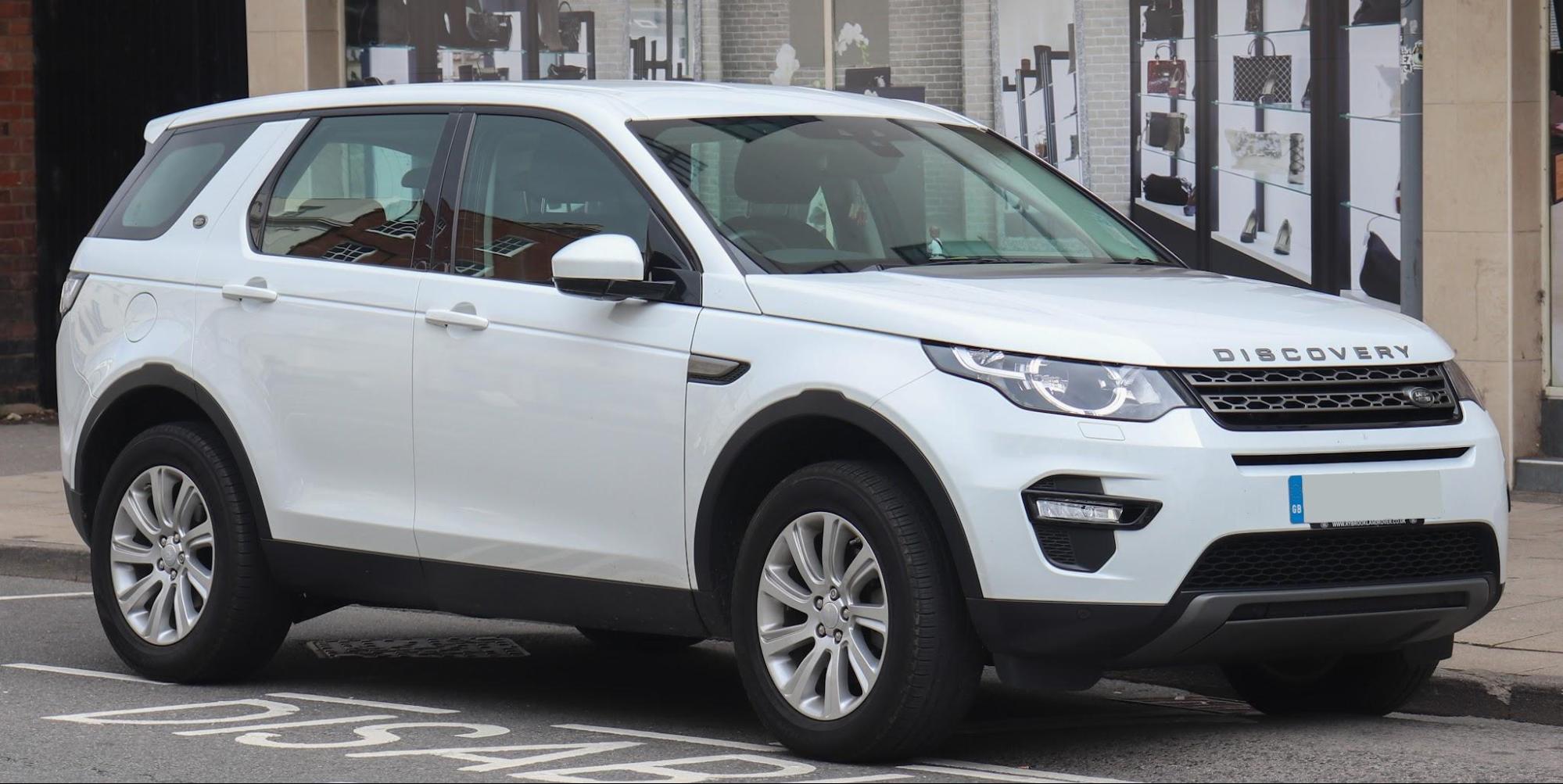
6. Land Rover Discovery — 258L to 2,406L across three seating modes
| Body type | 7-seat SUV |
|---|---|
| Doors | 5 |
| Seats | 7 (folding third row) |
| Boot space | 258L (7-seat) / 922L (5-seat) / 1,137L (third row folded) |
| Fuel type | Diesel / Petrol |
The Land Rover Discovery is a 7-seat SUV that delivers one of the largest 5-seat boot spaces of any SUV on the used market — 1,137 litres with the rearmost row folded. The trade-off is real: pack all 7 seats and boot space collapses to just 258 litres, barely enough for a weekend bag each. Drop to 5 seats and you get a practical 922 litres for daily family use. If your third row stays folded most of the time, the Discovery makes sense. If you genuinely need 7 seats every day, look elsewhere. Used prices run from £22,000 to £38,000, reflecting the premium badge, but the cargo versatility justifies it for adventure-focused families.
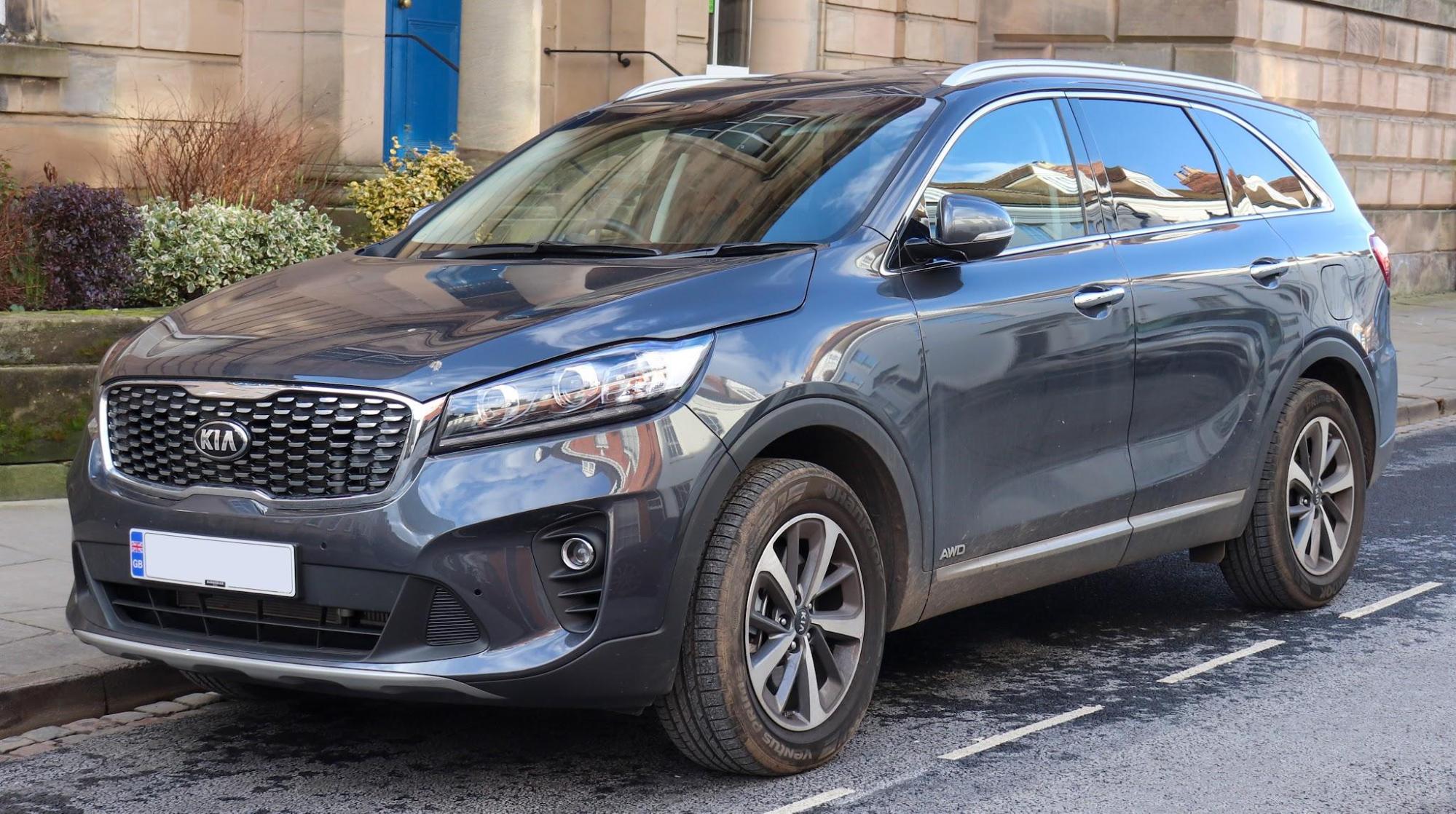
7. Kia Sorento — 616L (five seats), 1,996L flat
| Body type | 7-seat SUV |
|---|---|
| Doors | 5 |
| Seats | 7 (folding third row) |
| Boot space | 616L (5-seat) / 1,996L (flat) |
| Fuel type | Petrol / Diesel / Hybrid |
| Used price band | £14,000–£24,000 |
The Kia Sorento is a 7-seat SUV that delivers genuine family practicality at a used price most premium rivals can't match — typically £14,000–£24,000 for a 4–7 year old example.At 616L with 5 seats, the Sorento trails the Skoda Kodiaq (630L) and Peugeot 5008 (952L), but its 1,996L flat figure is class-competitive. Generation matters: the redesigned 2020+ Sorento has different dimensions to pre-2020 models, so filter by year when searching. Kia's reliability now sits on par with Hyundai and Toyota. For price-conscious families wanting 7-seater flexibility without a brand premium, this is the pragmatic choice.
8. Volvo XC90 — 721L (five seats), 1,816L flat
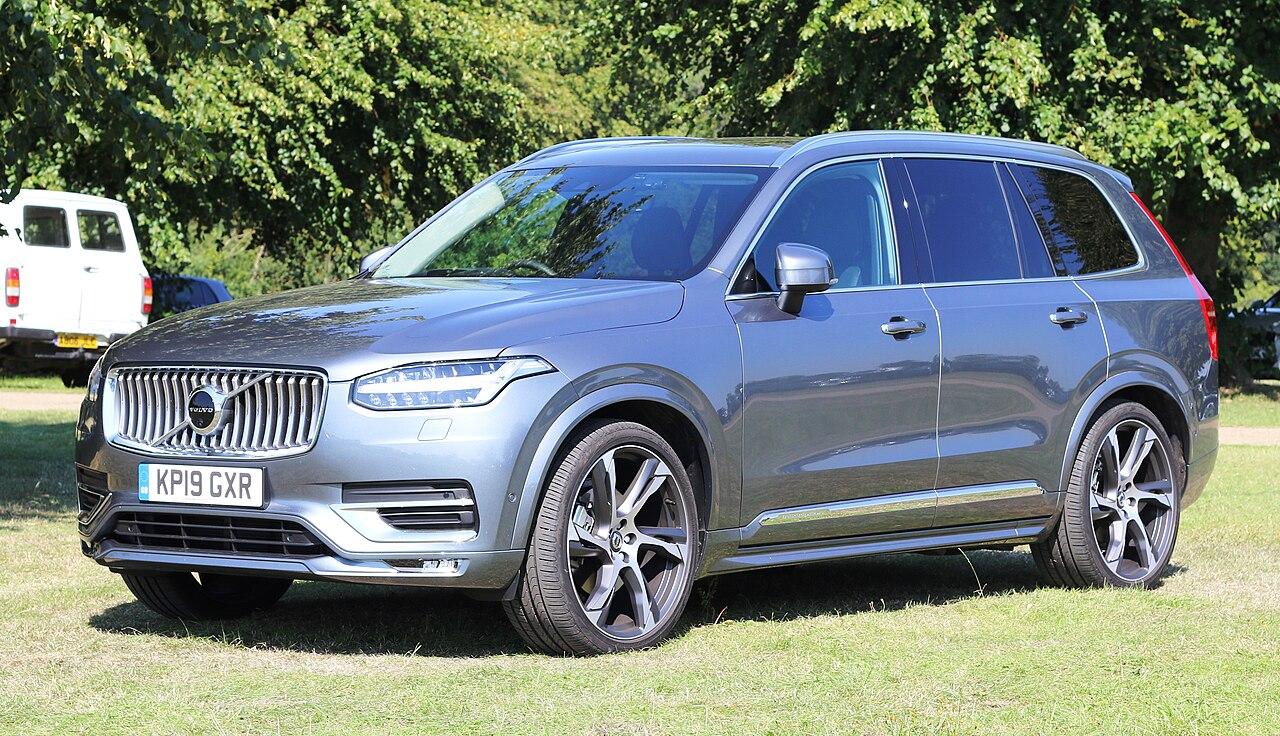
| Body type | Premium 7-seat SUV |
|---|---|
| Doors | 5 |
| Seats | 7 (folding third row) |
| Boot space | 721L (5-seat) / 1,816L (flat) |
| Fuel type | Petrol / Diesel / Hybrid / PHEV |
The Volvo XC90 is a premium 7-seat SUV that delivers 721 litres of boot space with 5 seats in use and 1,816 litres completely flat — beating rivals that cost significantly more. Volvo's Scandinavian engineering prioritises durability, and many 10-year-old XC90s remain in daily family use. Running costs vary by drivetrain: diesel and petrol versions return reasonable fuel economy, while PHEV models carry a small battery penalty. Against the BMW X7 (750L, from £54,000 used) and Mercedes-Benz GLS (890L, from £107,000 used), the XC90 offers comparable family practicality at a lower entry price.
9. Skoda Kodiaq — 630L (five seats), 1,810L flat
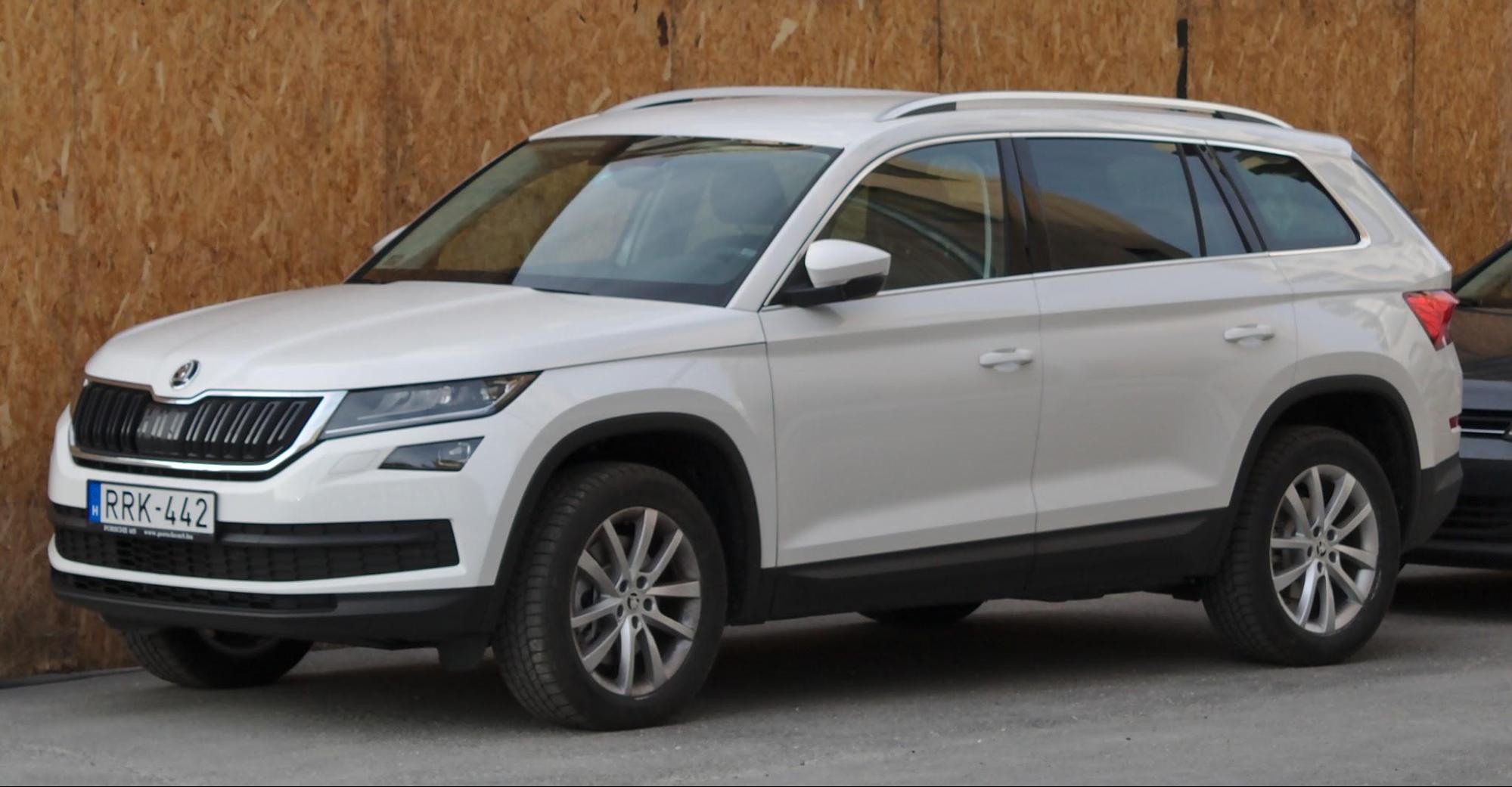
| Body type | 7-seat SUV |
|---|---|
| Doors | 5 |
| Seats | 7 (with folding third row) |
| Boot space | 630L (5-seat) / 1,810L (flat) |
| Fuel type | Petrol / Diesel |
The Skoda Kodiaq is a practical 7-seat family SUV that delivers more usable space than its 630L headline figure suggests. Built on Volkswagen Group underpinnings, it shares the same engineering quality as the Tiguan Allspace at a lower used price. The 40:20:40 split-fold rear seats let you fold just the centre section, carrying long items alongside 2 rear passengers — no full row collapse needed. A ski hatch passes equipment through without disturbing any seats. The load floor sits flat when folded, and the 1,810L maximum rivals the Volvo XC90. At £15,000–£26,000 used, the Kodiaq delivers unbeaten practicality-per-pound among 7-seat SUVs.
10. Ford Tourneo Custom — 1,000L+ van-based load floor
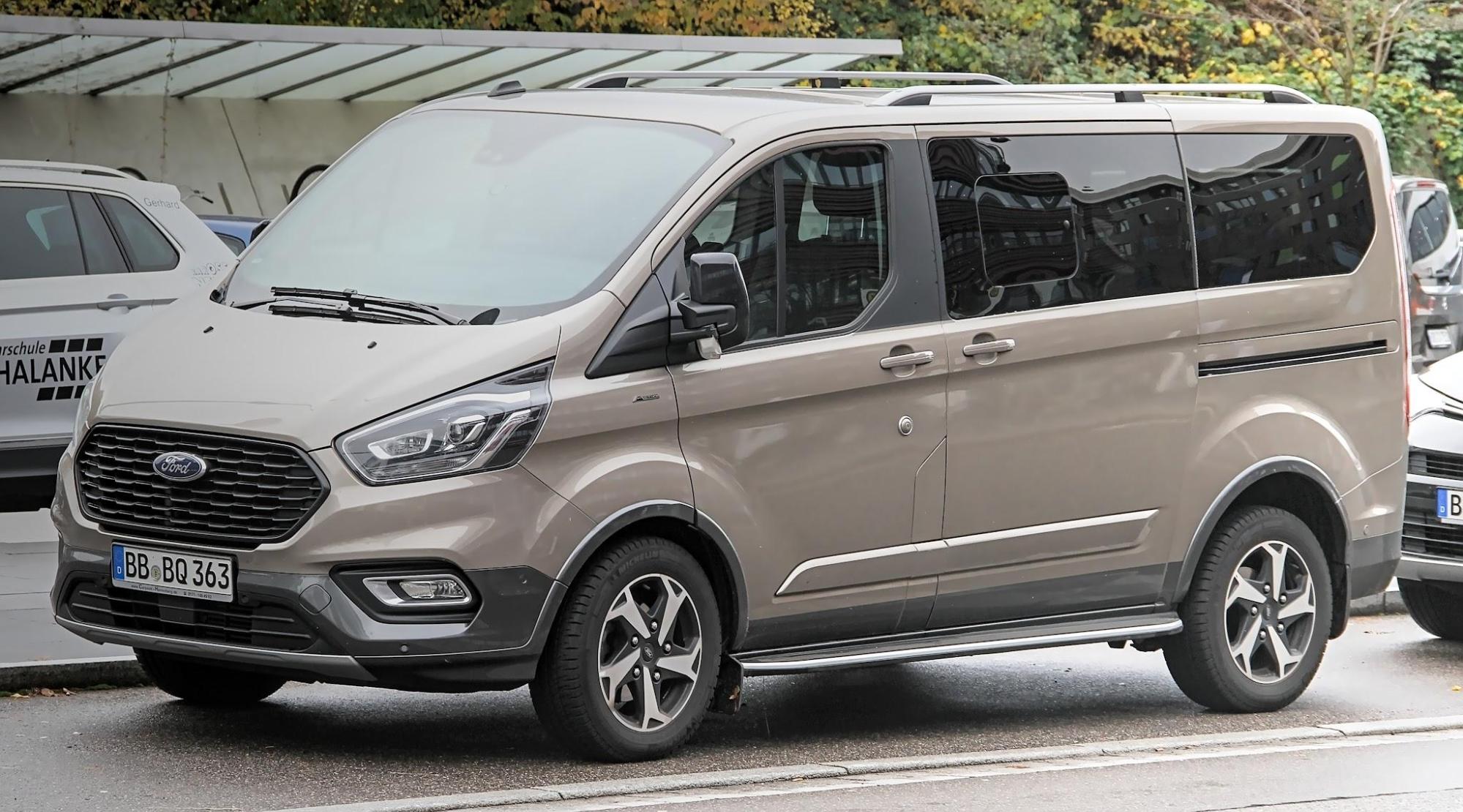
| Body type | Van-based MPV |
|---|---|
| Doors | 5–6 |
| Seats | 8–9 |
| Boot space | 1,000L+ (seats occupied) / 2,500L+ (fully flat) |
| Fuel type | Diesel |
| Used price band | £12,000–£22,000 (5–10 years old) |
The Ford Tourneo Custom is a van-based MPV that delivers over 1,000 litres of boot space with all seats occupied — more than any car-based SUV on this list. That capacity comes from its Transit van underpinnings: a flat, square load floor with no wheel-arch intrusions and a wide sliding rear door that makes loading pushchairs, dog crates, or camping gear effortless. Used examples run £12,000–£22,000, undercutting the Mercedes V-Class by £13,000 or more for comparable space. The trade-off is honest: it drives like a van, returns 25–30mpg, and looks like one too. If maximum cargo capacity is your priority over driving feel, this is the no-nonsense choice.
11. Hyundai Santa Fe — 571L boot, available from £20,000 used
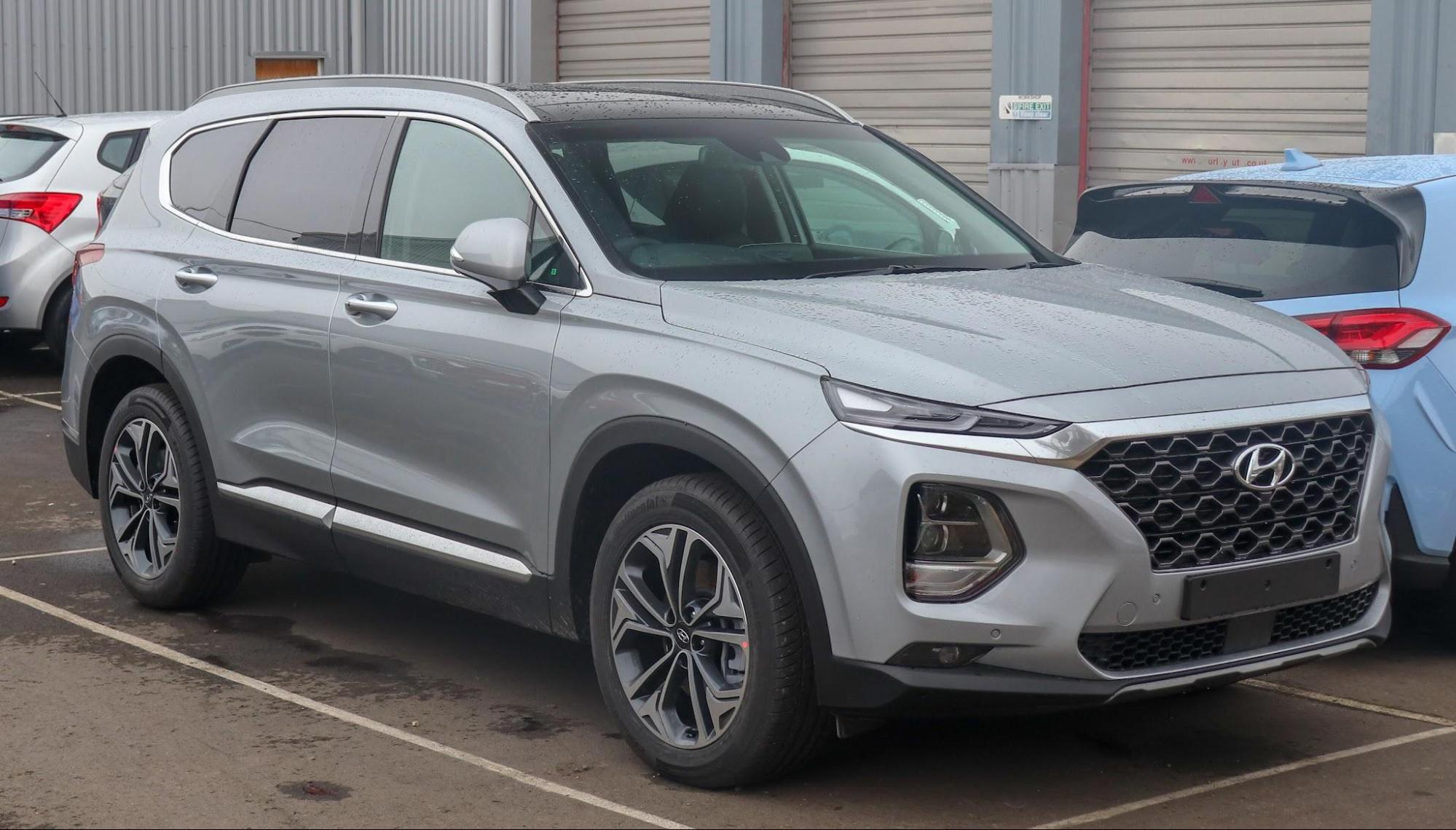
| Body type | 7-seat SUV |
|---|---|
| Doors | 5 |
| Seats | 7 (folding third row) |
| Boot space | 571L (5-seat) / 1,903L (flat) |
| Fuel type | Petrol / Diesel |
| Used price band | £15,000–£22,000 (5–7 years old) |
The Hyundai Santa Fe delivers a 571-litre boot with 5 seats in use and is available used from £15,000 — £7,000 less than the Volvo XC90 for comparable 7-seat family SUV capability. That puts it directly against the Kia Sorento (616L, from £14,000 used), the Sorento edges ahead on raw boot volume, but the Santa Fe matches it on 7-seat practicality. Fold the third row flat and you get 1,903 litres. Hyundai's reliability has improved substantially over the past decade, and used examples from this generation carry reasonable remaining warranty coverage. If your budget sits between £15,000 and £22,000 and you need 7 seats, the Santa Fe is the pragmatist's pick.
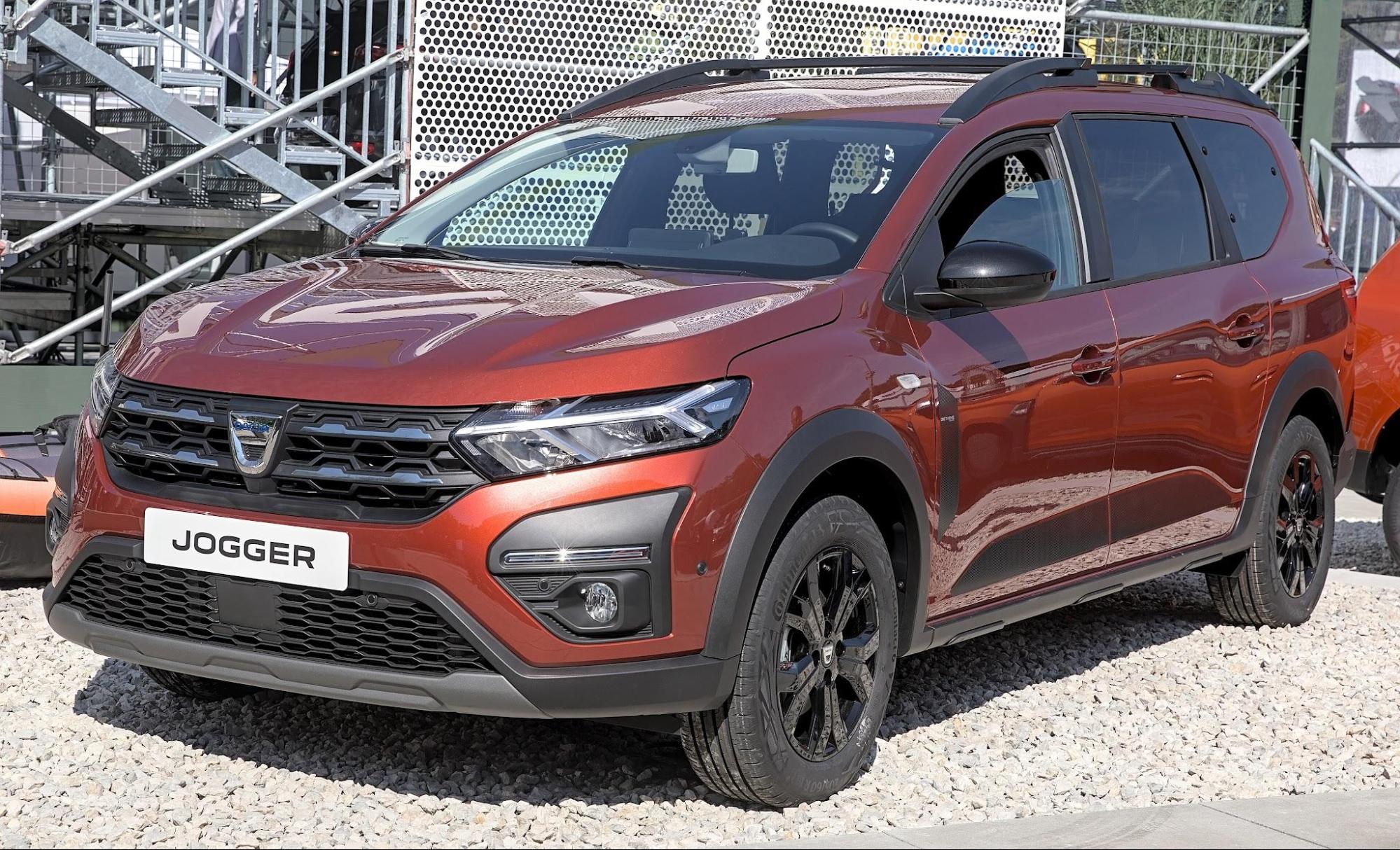
12. Dacia Jogger — 699L boot for under £15,000
| Body type | Budget MPV / crossover |
|---|---|
| Doors | 5 |
| Seats | 5–7 |
| Boot space | 699L (5-seat) / 1,819L (flat) |
| Fuel type | Petrol |
The Dacia Jogger is a budget family MPV that delivers 699 litres of boot space in 5-seat mode, nearly matching the Skoda Superb Estate at a fraction of the price. Found used from around £10,000–£15,000 (new from £18,295), it undercuts almost every rival while offering a genuinely large, flat load bay for prams, shopping, and sports kit. The 1,819-litre flat figure beats cars costing twice as much. Renault Group build quality has improved noticeably on post-2020 models. Resale values run lower than premium brands, which works in your favour when buying used. For families with a £15,000 ceiling who need real boot space, the Jogger is the strongest value-per-litre pick in this list.
Which cars have a boot space of at least 500, 600, or 700 litres?
If you know exactly how many litres you need, use this table to find cars that meet your minimum — all figures are seats-up, 5-seat mode.
| Threshold | Cars meeting it | Typical used price |
|---|---|---|
| 500L+ | Jaguar XF (540L), Citroën C4 X (510L), Toyota Corolla Touring Sports (596L), Peugeot 308 SW (608L), Skoda Octavia (600L), Skoda Superb Estate (690L), Dacia Jogger (699L), Kia Sorento (616L) | £10k–£28k |
| 600L+ | Jaguar F-Pace (650L), Peugeot 308 SW (608L), Skoda Octavia (600L), Skoda Superb Estate (690L), Dacia Jogger (699L), Kia Sorento (616L), VW Touran (743L, rear row folded) | £12k–£28k |
| 700L+ | Citroën C5 Aircross (720L), Dacia Jogger (699L), VW Touran (743L), BMW X7 (750L), Peugeot 5008 (952L), Mercedes GLS (890L) | £15k–£107k |
Most families find 500–600L covers weekly shopping, a pram, and school-holiday luggage. Beyond 700L you're mostly in premium SUV territory — the Dacia Jogger is the exception, hitting that range for under £15k used. But the catch is: published litres overstate real usable space. Subtract 20–40% for wheel arches and seat intrusions, a 700L car realistically holds around 560L of family cargo. That said, two commonly searched models sit below these thresholds: the MINI Countryman offers 450L in 5-seat mode, fine for a weekend bag but tight for a pram, while the Geely EX5 (453L) is worth considering if low running costs matter more to you than raw cargo volume.
Do electric and plug-in hybrid family cars compromise on boot space?
PHEVs do compromise on boot space — the battery pack sits beneath the boot floor and eats into usable volume. The Škoda Superb Estate drops from 690 litres to 510 litres in PHEV form, a loss of 180 litres. The Mercedes E-Class loses 155 litres (615L to 460L). The Volvo V60 loses 41 litres (529L to 488L).
| Model | Petrol boot | PHEV boot | Loss |
|---|---|---|---|
| Škoda Superb Estate | 690L | 510L | −180L |
| Mercedes E-Class | 615L | 460L | −155L |
| Volvo V60 | 529L | 488L | −41L |
Electric MPVs avoid this penalty entirely. The Volkswagen ID. Buzz carries 1,121 litres with seats up. The Peugeot 308 SW estate offers 608 litres (1,634L folded), while the Ford Puma adds an 80-litre Megabox underfloor compartment to its 456-litre boot, giving 536 litres effective.
What makes a good family car with a big boot?
Your budget shapes which big-boot car makes sense — the strengths that matter most are maximum usable space per pound spent rather than chasing the highest litre figure.
- Small family (2–3 people), under £15,000: 500L covers most trips, yet the Dacia Jogger's 699L boot at this price is exceptional value.
- Medium family (4–5 people), £15,000–£25,000: Target 600L+. Estate cars such as the Skoda Superb Estate (690L) deliver 60–100L more seats-up boot than comparably priced SUVs at £15,000–£25,000 used, and diesel variants return 55–60mpg against 35–45mpg for equivalent SUVs.
- Large family or camping trips, £25,000+: You need 700L+ and a flat floor. SUVs add flexibility but cost more per litre than estates.
At any used-car viewing, check 4 things: load-lip height (under 700mm loads a pram without straining your back), floor flatness, split-fold seats (test them), and cargo tie-down loops. And the Ford Puma's 80L Megabox underfloor compartment lifts effective boot capacity from 456L to 536L without reducing rear passenger space.
Sibling brands cut costs without cutting space: Skoda shares VW engineering at lower prices; Kia overlaps with Hyundai on features but often undercuts on used price.
If the budget tier you need sits out of reach to buy outright, leasing fixes your monthly cost and puts a newer, larger-boot model within range — worth considering if your family's space demands are tied to a specific stage, such as the pram-and-pushchair years.
How to choose the right used car with a big boot
Choosing the right used car with a big boot comes down to 3 questions: how much space do you actually need, which body type fits your life, and what's your budget?
Space by scenario: school runs and weekly shopping need around 500–600L; camping trips and sports gear push you toward 700L+; dogs and adventure kit demand 1,000L or more.
Body-type trade-off: estates give you the best seats-up boot at the lowest running cost; SUVs add a higher driving position but cost more to run; MPVs maximise cargo flexibility but feel van-like to drive.
At the viewing, check 6 things: load-lip height (under 700mm loads easier), floor flatness, carpet condition, cargo tie-down loops, seat-fold mechanisms (test them), and underfloor storage covers.
Final verdict by budget:
- Under £15k: Dacia Jogger (699L, best value per litre)
- £15k–£22k: Hyundai Santa Fe or Kia Sorento (571–616L, 7-seat flexibility)
- £22k–£28k: Skoda Superb Estate (690L, maximum 5-seat boot)
- £28k+: Volvo XC90 or Jaguar XF — the XF delivers a 540L saloon boot (1,484L folded), the largest of any used luxury saloon in its price bracket
Table of Contents