




The best used cars for learner drivers earn their place on this list by hitting 4 criteria: low insurance group (ideally Groups 1–5), compact dimensions for easier parking, strong safety ratings, and affordable running costs. The 12 best cars below span budget city cars, reliable family-friendly hatchbacks, and 1 electric option — so whatever your budget or driving style, there's a match here. Start with the top pick: the Hyundai i10.
1. Hyundai i10 — insurance group 1–4, from £4,500 used
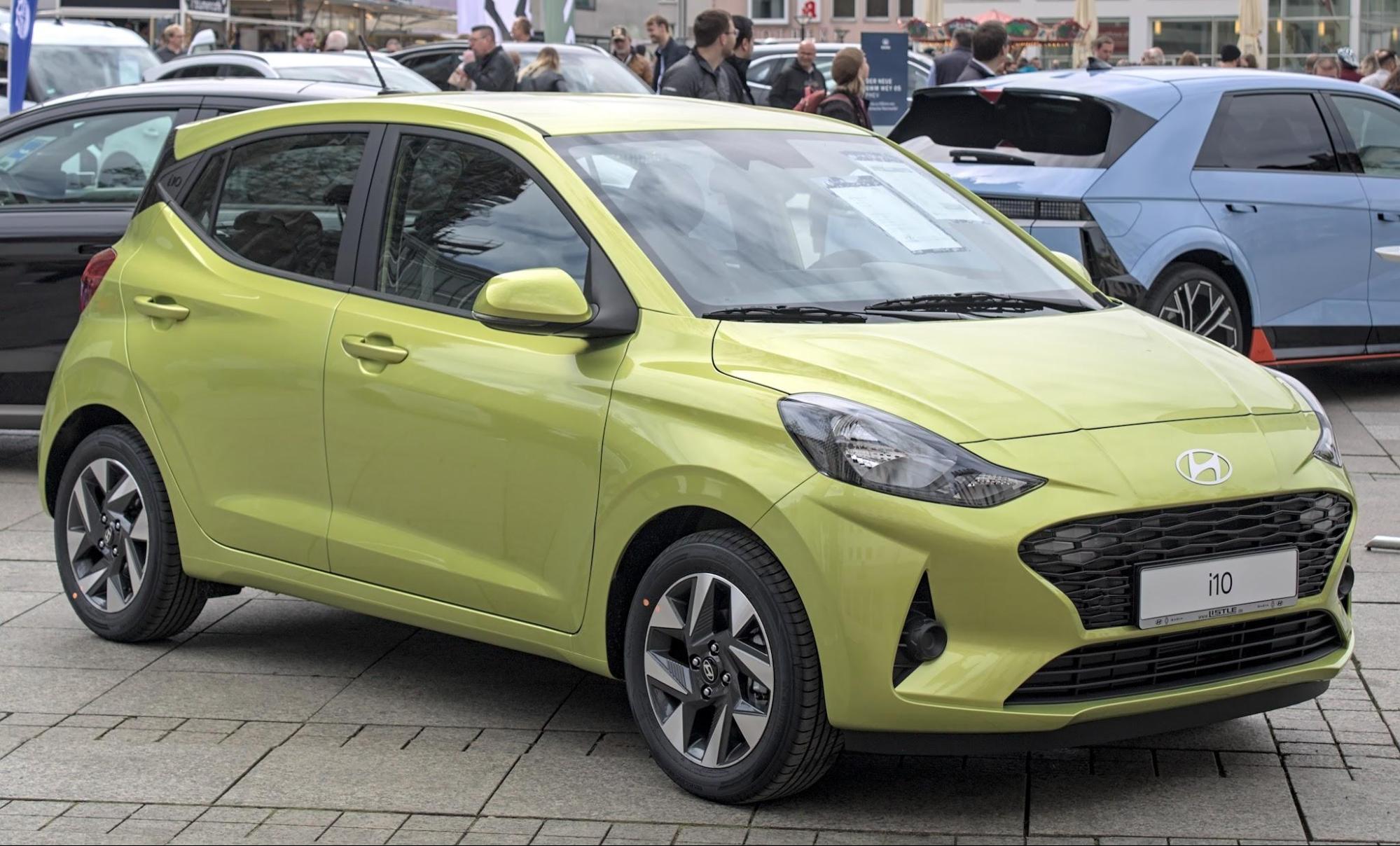
The Hyundai i10's entry-level trim sits in insurance Group 1 — the lowest possible group, making it one of the cheapest used cars for a learner driver to insure. For your first car, targeting Groups 1 to 5 is the single most effective way to keep running costs manageable; the i10 starts there by default.
Used 2020 models start at around £8,000, with 2021–2022 examples from roughly £10,000. The 5-door, 5-seat body gives you easy access for passengers, and the 252-litre boot handles school bags and weekly shopping without trouble. Light, accurate steering and good outward visibility make it forgiving when you are still building confidence in traffic and tight car parks.
Hyundai sold the i10 with a 5-year unlimited-mileage warranty transferable to the next owner — useful reassurance when buying used. The Volkswagen Up offers a similar Group 1 position with a smart interior and comfortable drive in 4-door, 5-seat form, while the Fiat 500's compact retro body suits solo learners, with 2015–2016 models from £6,000–£7,000 and very small rear seats.
2. Kia Picanto — insurance group 1–3, lowest running costs in class
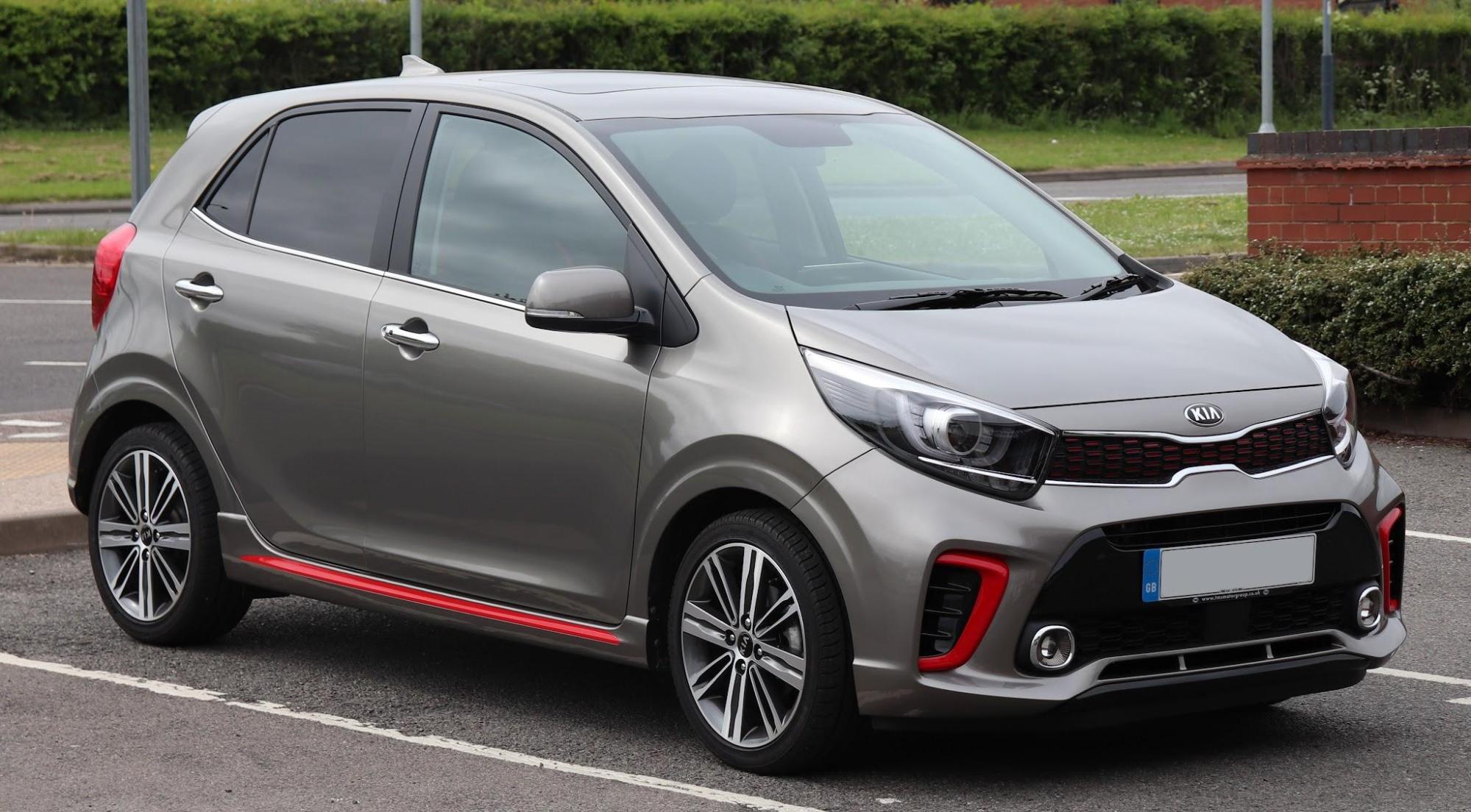
The Kia Picanto sits in insurance Group 1 for base-spec models, placing it alongside the Volkswagen Up and base Volkswagen Polo at the absolute floor of insurance cost. Insurance is typically the biggest running cost you'll face as a young driver under 25, so starting at Group 1 delivers the most meaningful saving available.
Used 2018 models start from around £8,000, and the Picanto's compact dimensions make parking and manoeuvring straightforward while you're still building confidence. The standout ownership advantage is the transferable 7-year/100,000-mile warranty. No other Group 1 rival comes close on cost protection for a first-time buyer.
3. Toyota Aygo — insurance group 1–3, up to 65mpg
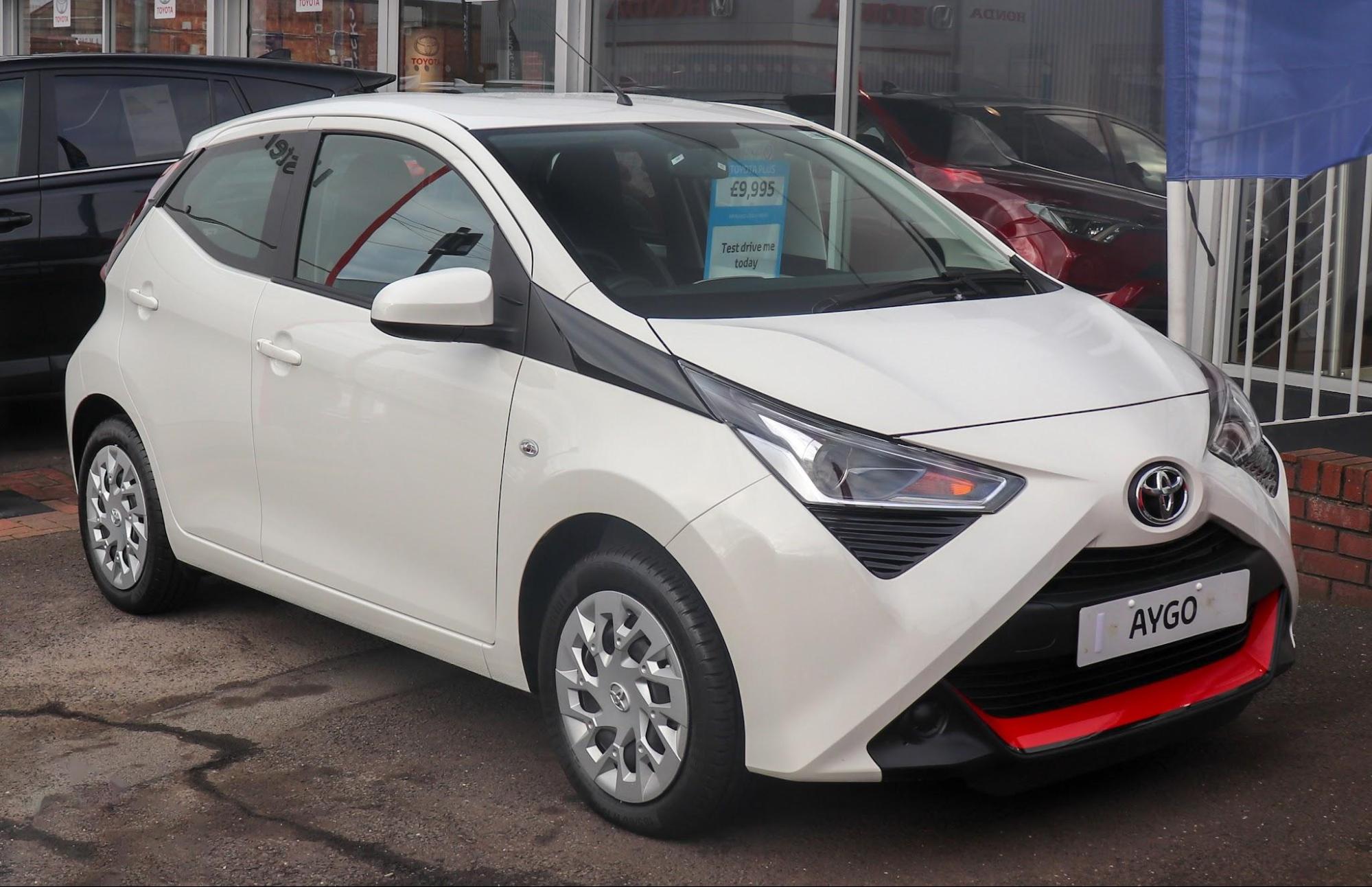
The Toyota Aygo is a city car that sits in insurance groups 1–3, returns up to 65mpg, and costs very little to run — making it one of the most affordable first cars you can buy used.
What Car? highlights the Aygo as one of the cheapest cars to insure in the UK. Production ended in 2022, but used examples from 2014–2022 remain plentiful and typically start from around £4,000–£6,000. The Aygo shares its mechanicals with the Citroën C1 and Peugeot 108 — all 3 cars are essentially identical underneath, which keeps parts cheap and widely available at any independent garage.
Light steering and a compact footprint make the Aygo easy to park and manoeuvre while you're still building confidence behind the wheel.
4. Ford Fiesta — instructor favourite, insurance groups 3–8
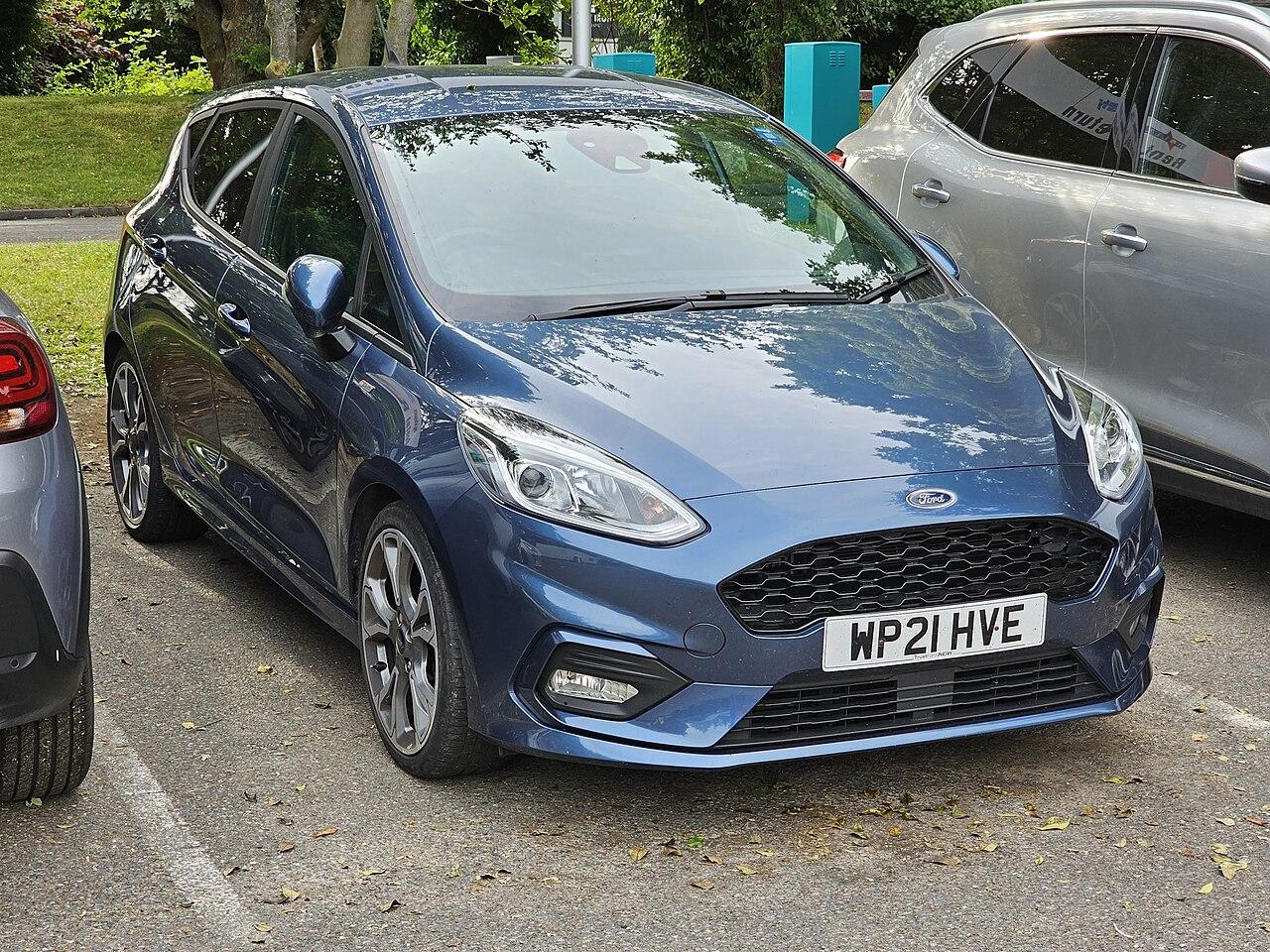
According to Collingwood Insurance, the Ford Fiesta accounts for 12% of all learner driver insurance policies in the UK, making it the most popular learner car in the country. Driving instructors know it inside out, parts are cheap and widely available, and the light steering and excellent visibility make it genuinely easy to drive.
Ford stopped producing the Fiesta in 2023, so you're buying used but that's fine. Good used examples from 2018–2022 start from around £6,000–£9,000. Insurance sits in Group 3–8 depending on engine, which is higher than the Hyundai i10 or Kia Picanto alternatives, and premiums can run above average due to high demand from young drivers.
The Fiesta remains a strong choice — just budget for slightly higher insurance than Group 1 alternatives.
5. Vauxhall Corsa — insurance groups 2–10, from £3,000 used
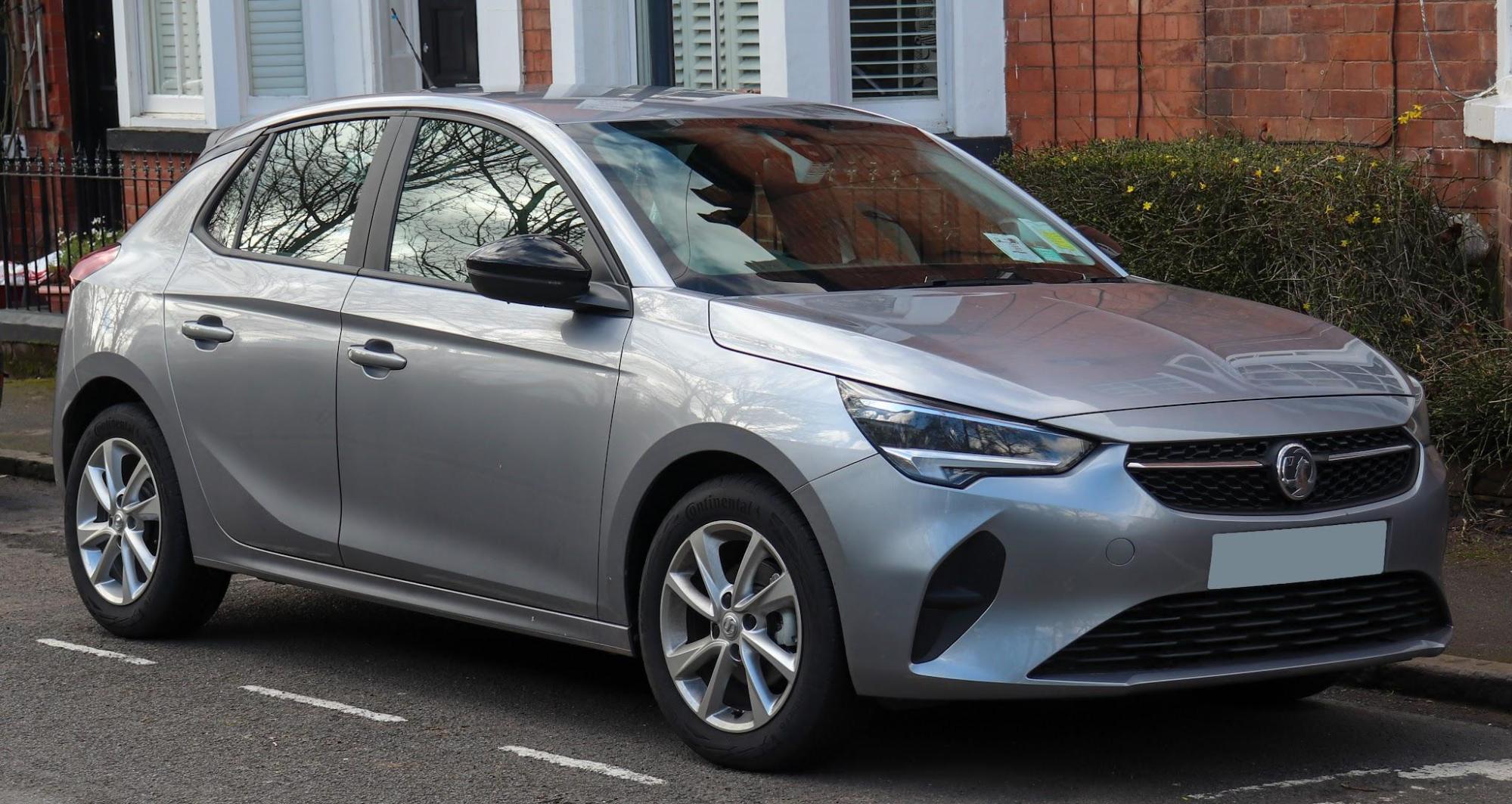
The Vauxhall Corsa is the second most popular learner driver car in the UK, accounting for 10% of all learner driver policies. The Mk4 Corsa is a firm favourite of driving schools across the country, which means instructors know it well and parts are cheap and widely available.
Insurance groups run from 2 to 10 depending on engine size, so stick to lower-specification models to keep your premiums manageable. Used examples start from around £3,000, and 2020 SE models sit under £12,000. That wide price range means you can match your budget precisely. Reliability is solid, availability is high, and the compact dimensions make it straightforward to park and manoeuvre while you build confidence.
6. Skoda Fabia — insurance groups 2–7, class-leading reliability scores
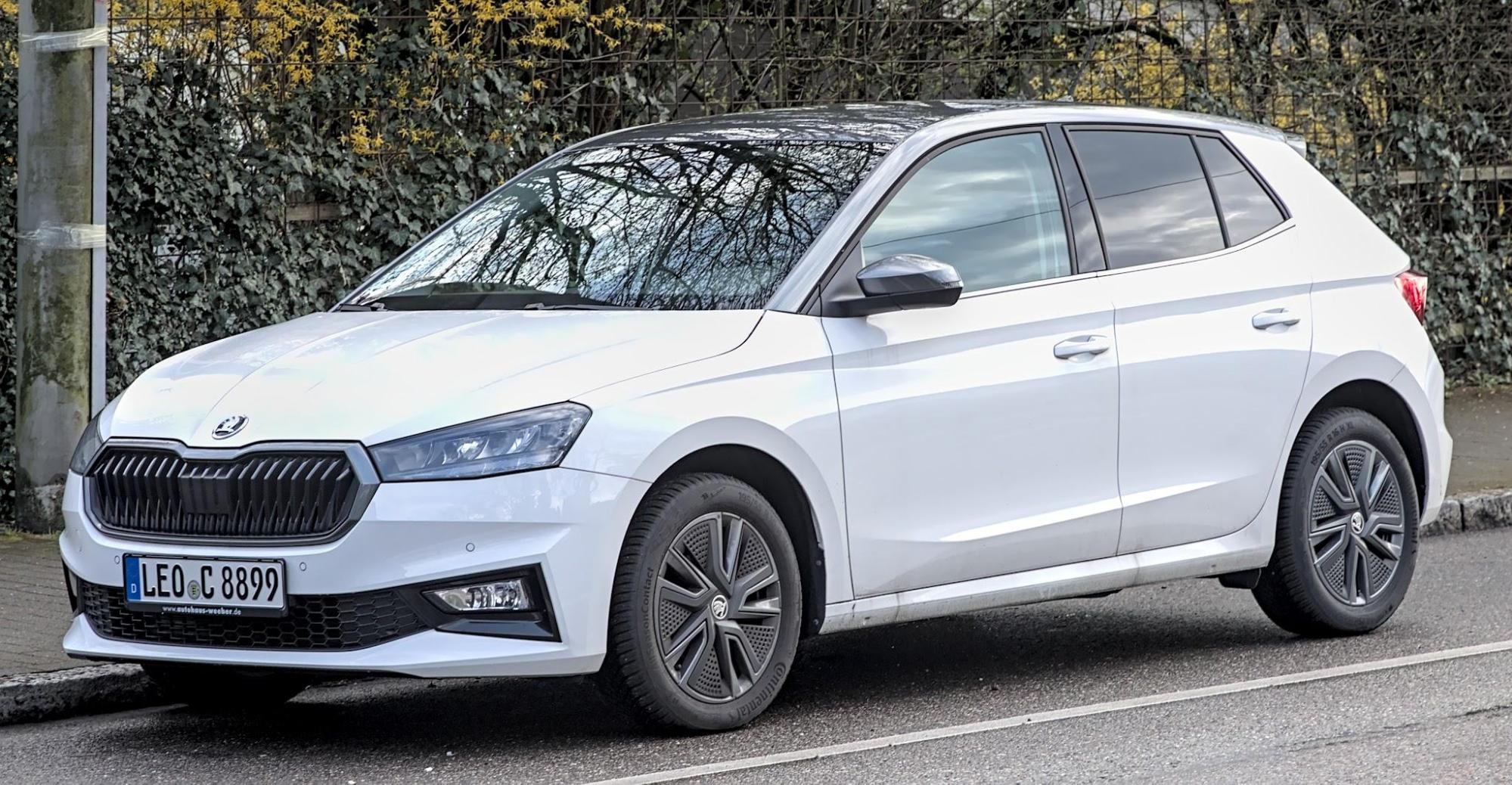
The Skoda Fabia is a supermini that delivers VW Polo reliability at a noticeably lower used price. Fabia is mechanically a copy of the VW Polo, meaning you get the same proven drivetrain and widely available parts — but typically spend less to buy one. What Car? rates it the best-value used package for new drivers, citing its Group 1 insurance, easy clutch, light steering, slick controls, and good outward visibility. Those qualities matter when you're still building confidence behind the wheel. The 1.0 MPI petrol returns around 50mpg, keeping fuel costs low. Used examples start from roughly £8,150.
7. Dacia Sandero — from £2,500 used, lowest purchase price on the list
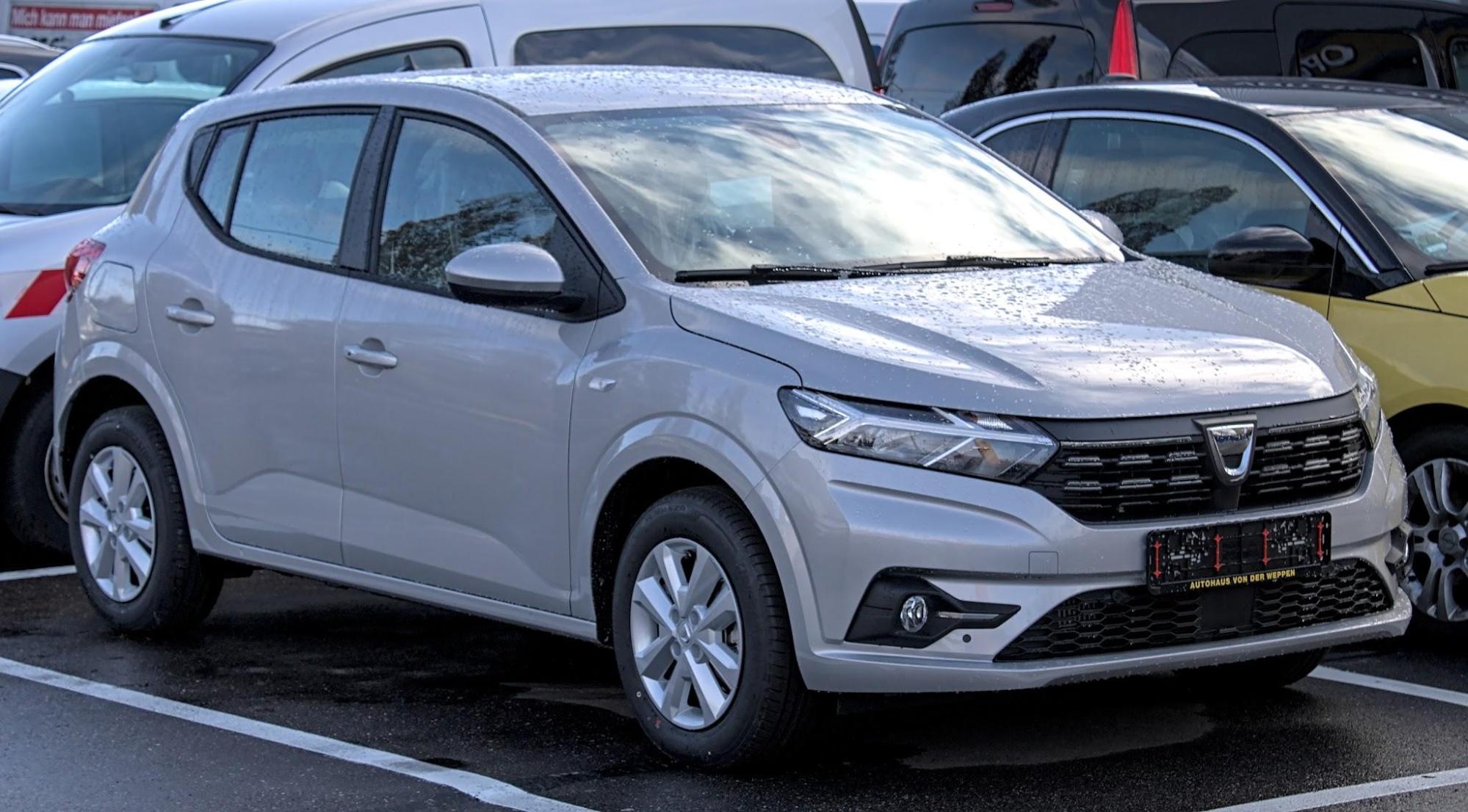
The Dacia Sandero is a budget hatchback with the lowest prices on this list — used examples from 2021 start from under £7,000, and earlier models cost less than £3,500. That price point matters beyond the obvious: Sandero removes a real source of anxiety for nervous new drivers still building confidence in car parks and tight streets.
Insurance sits in Group 3, keeping annual premiums manageable. The 328-litre boot handles school bags and weekly shopping without complaint. Repair costs stay low because parts are plentiful and straightforward to source. No frills — but dependable, spacious for its class, and genuinely forgiving when you're still learning.
8. Skoda Citigo — insurance group 1–3, shared VW Group mechanicals
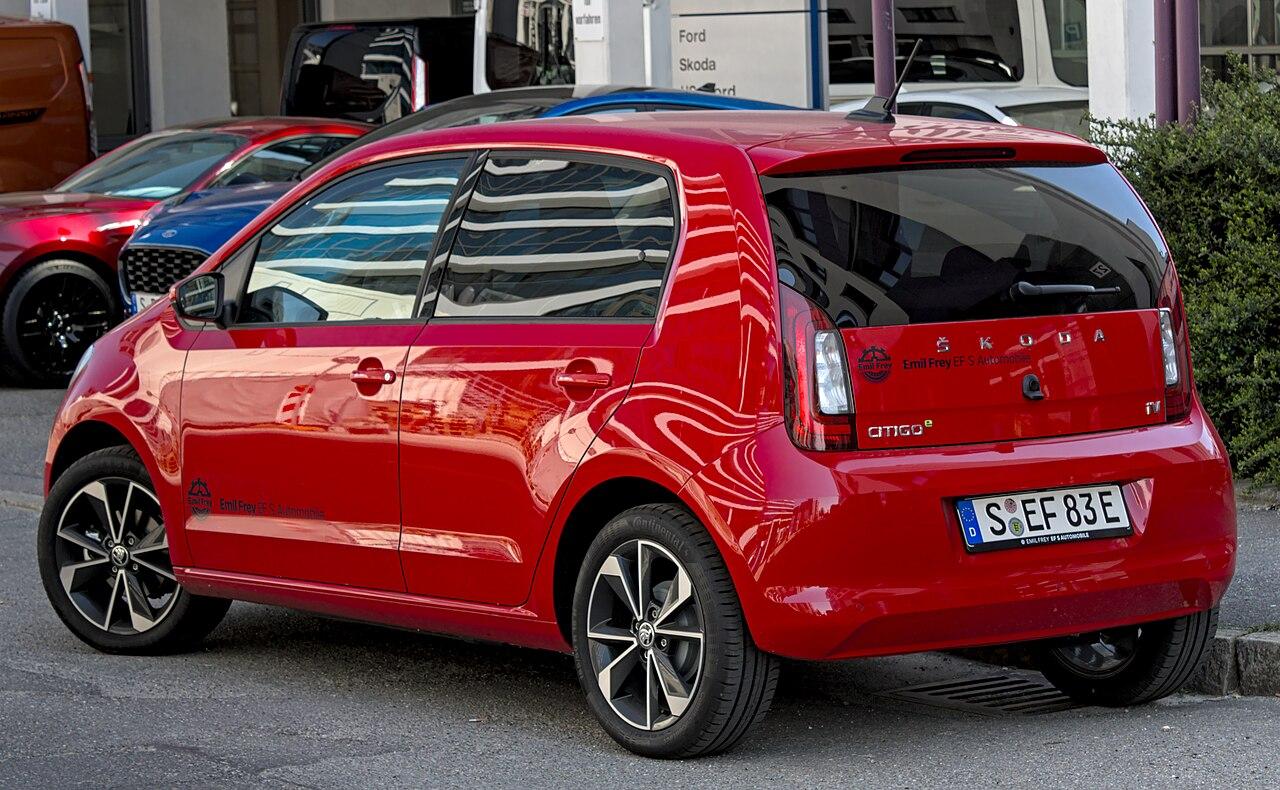
The Skoda Citigo is a city-car hatchback that shares its platform, engines, and parts directly with the Volkswagen Up and SEAT Mii — giving you VW Group reliability at a lower purchase price. That mechanical relationship means any independent garage familiar with VW Group cars can service it, keeping repair costs predictable. Insurance sits in Group 1–3, and the Citigo's sub-4-metre length makes parking and manoeuvring straightforward while you're still building confidence. Used examples from 2012–2019 start from around £2,199–£4,000. Compact, affordable, and backed by proven VW Group engineering, the Citigo is a strong budget pick.
9. Fiat 500 — insurance groups 4–10, compact 3.4m city dimensions
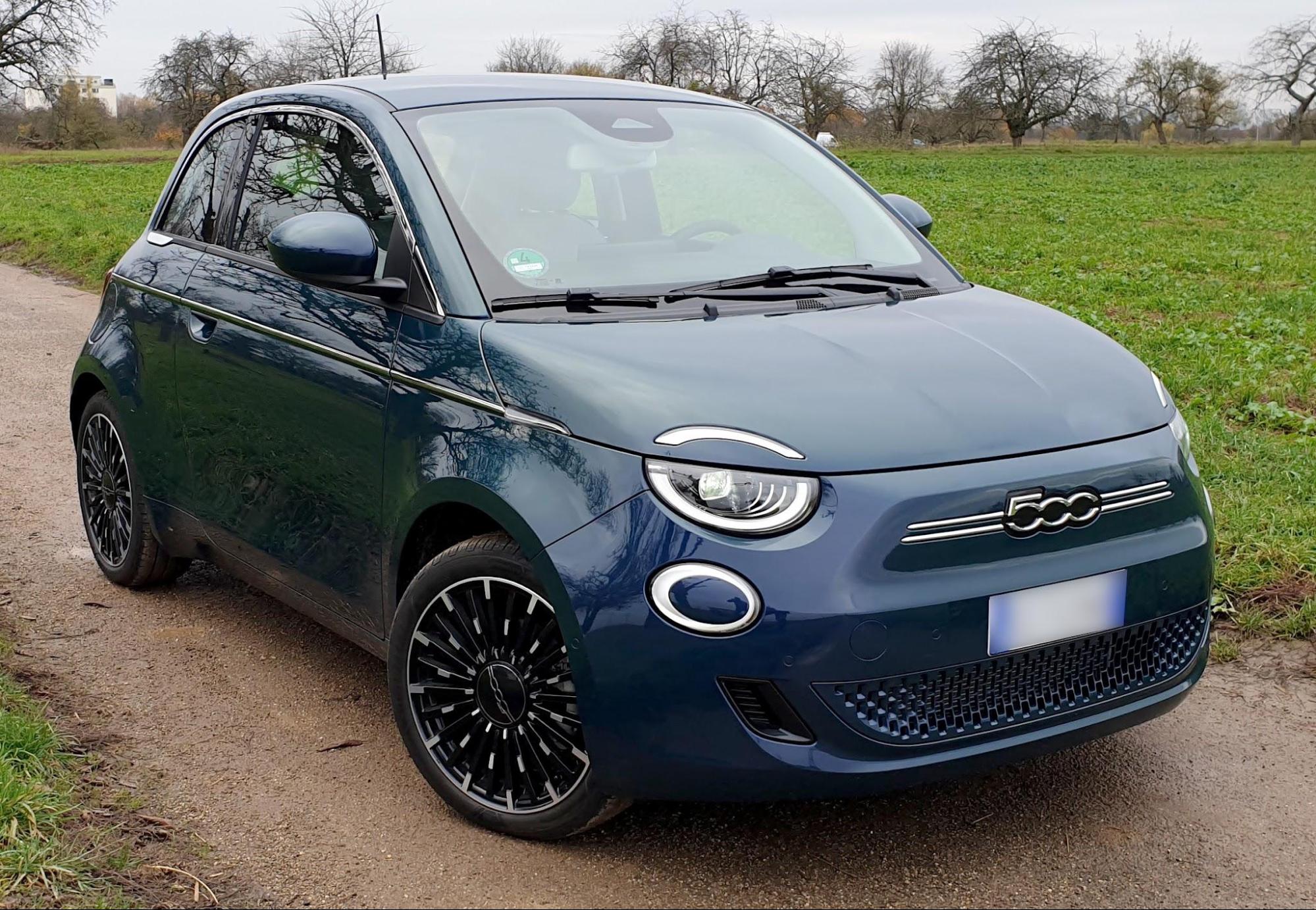
The Fiat 500 is a compact city car that measures 3.4m long, making it one of the shortest cars on this list and genuinely easy to slot into tight urban spaces. Used 2015–2016 models start from £6,000–£7,000. Insurance sits in Group 4–10, which runs higher than the Group 1–3 picks elsewhere on this list, but the 500's small footprint and retro styling give it real confidence-building appeal for new drivers. Parts are affordable and widely available. The rear seats are very small — the Fiat 500 suits solo or paired use rather than carrying passengers regularly. The Ford Fiesta remains the most popular learner car in the UK at 12% of all learner policies, but the 500 wins on parking ease.
10. Renault Clio — insurance groups 4–8, roomiest supermini on this list
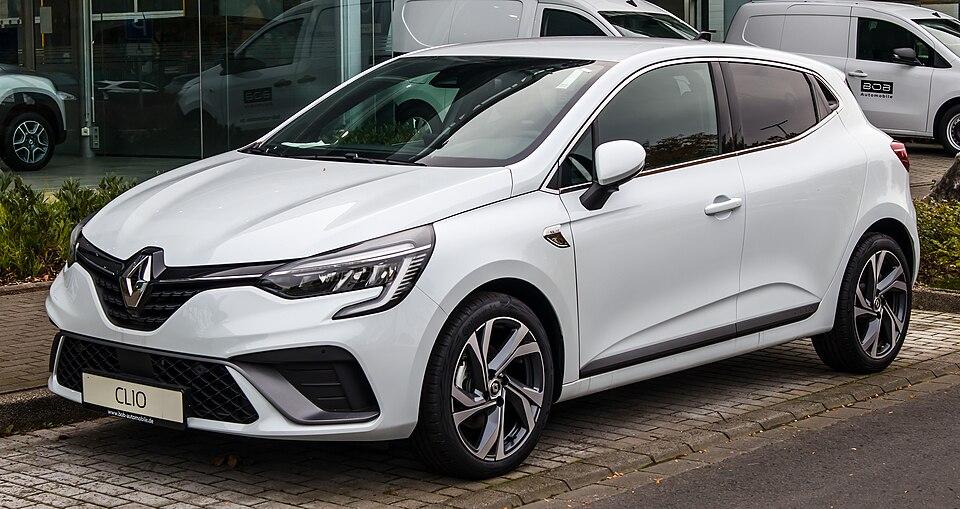
The Renault Clio is a supermini that gives you more boot space than any other car on this list — 391 litres, enough for school bags, sports kit, and a weekly shop. Its high quality interior, which feels noticeably more refined than budget city cars at a similar price. Insurance groups run from 4 to 8, sitting at the upper end of the learner-friendly range, so factor that into your budget. Used 3-year-old examples start from around £12,000. The Clio suits you if you regularly carry passengers or luggage and want a car that feels genuinely grown-up to drive.
11. Renault Zoe — electric, zero fuel costs, insurance groups 20–22
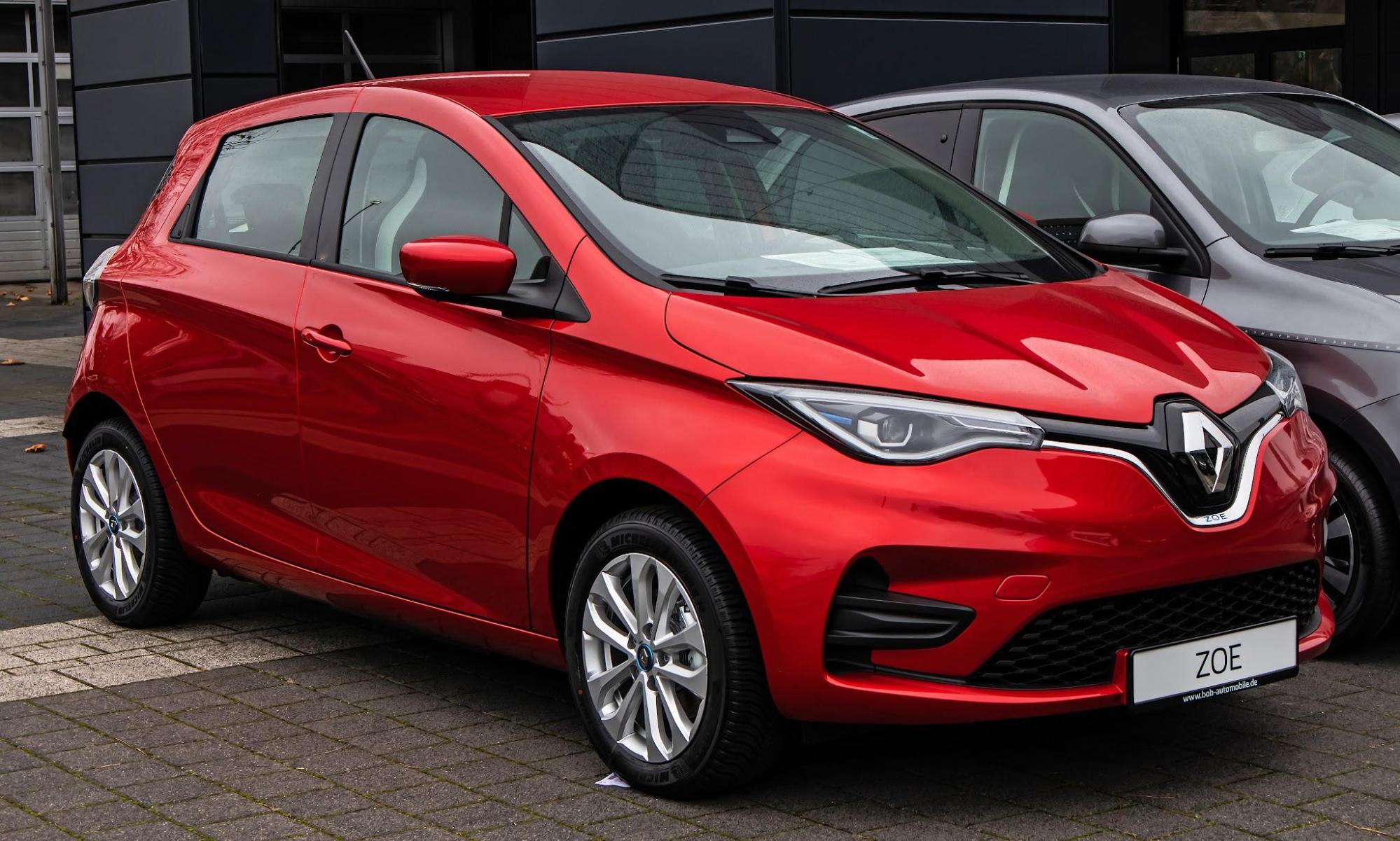
The Renault Zoe is an electric hatchback that delivers zero fuel costs and smooth, gearbox-free driving — ideal for city and suburban learners. Zoe's instant, quiet acceleration removes the clutch entirely, eliminating one of the trickiest parts of learning.
Used models with the 22 kWh battery start from around £3,500, and Auto Express confirms earlier Zoes are widely available below £4,000. Typical range reaches around 140 miles on a full charge — adequate for most learner journeys. The significant trade-off: insurance groups 20–22 sit well above the Groups 1–5 target, so monthly premiums can offset the fuel savings. Zoe suits you best if you have home charging access.
12. Volkswagen Polo — insurance groups 2–8, premium supermini quality
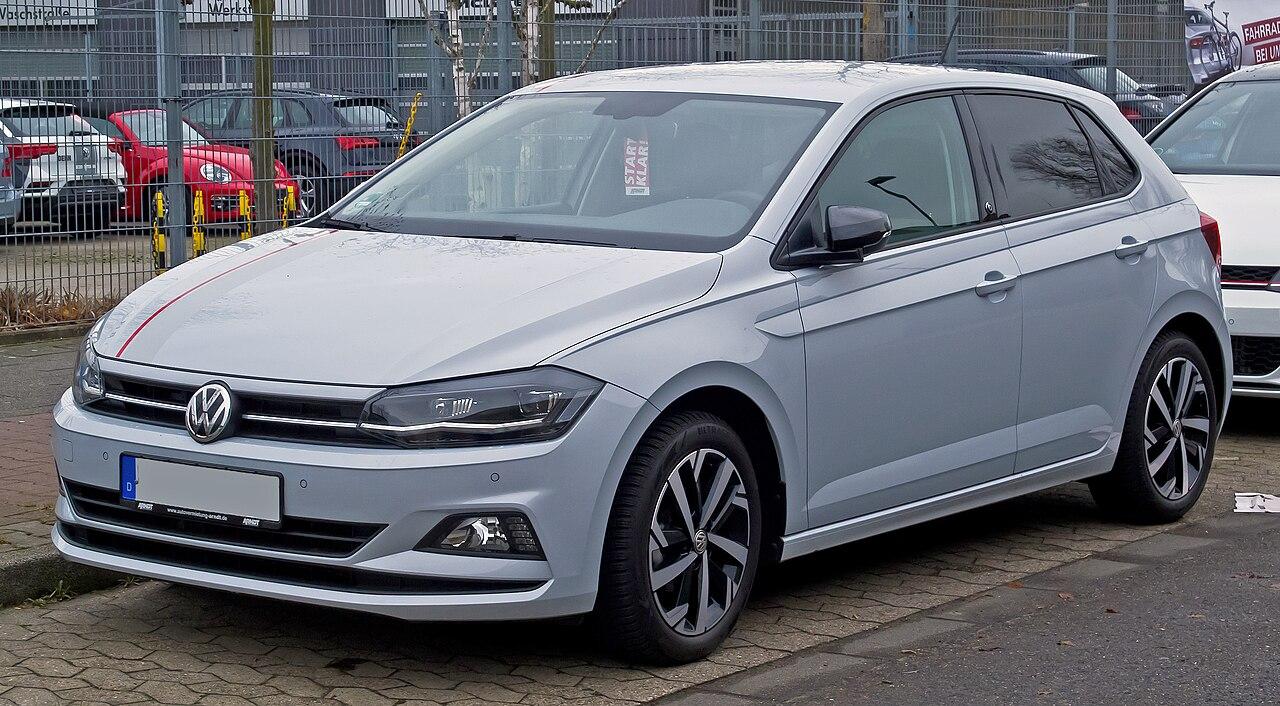
The Volkswagen Polo is a premium supermini that sits in insurance Group 1 at base spec, rising to Group 8 on higher trims — so the trim you choose matters. Used 2018 models start from around £6,000; stretching to £9,000 opens up 1.0 TSI SE examples in Group 3 with lower mileage. The Volkswagen Polo retains higher residual values than the Skoda Fabia, making it easier to sell on after your test.
What does it actually cost to run a first car as a young driver?
Running a first car costs far more than the sticker price suggests — and for under-25 drivers, insurance dominates every other line item.
Insurance is typically the biggest running cost for young drivers. And a Group 1 car like the Hyundai i10 costs roughly £500–£700 per month to insure as a newly-passed driver; a Group 5 car like the Renault Clio pushes that to £700–£1,000 per month.
| Cost item | Group 1 car (e.g. i10) | Group 5 car (e.g. Clio) |
|---|---|---|
| Insurance (annual) | £6,000–£8,400 | £8,400–£12,000 |
| Fuel (~45–50mpg, ~5p/mile) | £365–£400 | £400–£450 |
| Road tax | £0–£20 | £0–£20 |
| Servicing & maintenance | £400–£600 | £400–£600 |
| Total annual estimate | £7,000–£9,000 | £10,000–£13,000 |
Fuel costs stay predictable: a 1.0-litre engine returning 45–50mpg costs around 5p per mile.
But road tax is minimal — most low-emission city cars pay £0–£20 per year. Servicing runs £400–£600 annually. Your MOT falls due at 3 years, then annually, at around £55. Air conditioning re-gas costs around £50–£80 every two years; in hot weather, opening windows at low speeds and parking in shade reduces how hard the system works, and keeps those re-gas intervals longer.
If fuel cost is your main concern, the Dacia Sandero is available as an LPG bi-fuel model. LPG typically costs roughly half the price of petrol per litre, so high-mileage drivers can cut fuel spend noticeably, though you'll need to factor in an LPG tank occupying boot space.
Is it better to buy a new or used car as a learner driver?
Used cars beat new cars for learner drivers on almost every financial measure. A new car loses 20–40% of its value in the first year — buy at £12,000 and sell 2 years later, and you might recover only £7,000–£9,000. Most learners change cars within 2–3 years, so depreciation hits hard.
| Factor | New car | Used car (2015+, full service history) |
|---|---|---|
| Purchase price | £12,000–£20,000+ | £3,000–£8,000 |
| Year-1 depreciation | 20–40% | Minimal |
| Warranty | 3+ years | Residual or none |
| Finance availability | Easier | Harder under 21 |
Average UK annual mileage is 7,300 miles, so a 5-year-old car typically has around 35,000 miles on the clock — check this against the odometer to confirm normal use. Learner drivers with no credit history minimise total first-year cost by buying a used car outright for £3,000–£5,000 rather than taking finance. UK car finance lenders require a guarantor for applicants aged under 21 or with no credit history. Buy used, 2015 or newer, with a full service history.
Can learner drivers get car finance?
Learner drivers can get car finance, but most lenders require a guarantor, typically a parent or guardian, if you're under 21 or have no credit history.
PCP, Hire Purchase (HP), and personal loans are all available. Interest rates run 5–10% for prime borrowers and 8–15% for limited credit history.
| Finance type | Monthly cost | You own the car? | Mileage limit |
|---|---|---|---|
| PCP | Lowest | Only if you pay the balloon | ~10,000/year |
| HP | Medium | Yes, at final payment | None |
| Personal loan | Varies | Yes, immediately | None |
For most learners, buying a used car outright for £3,000–£5,000 is the safer choice. Finance makes sense only if you have reliable income and plan to keep the car 3+ years after passing.
How to Choose the Right Used Car as a Learner Driver
A learner buying a checklist cuts through the noise by focusing on 7 criteria that directly affect your safety, costs, and confidence.
- Insurance group (target Groups 1–5) — Groups 1–5 keep premiums manageable. The Kia Picanto, Volkswagen Up, and basic Volkswagen Polo all sit in Group 1; the Ford Fiesta, Skoda Fabia, and SEAT Ibiza start at Group 2.
- Body length (under 4 m preferred) — cars under 4 m are noticeably easier to park and manoeuvre, a threshold driving instructors use as a practical guide for learner-friendly dimensions.
- Manual vs automatic — choose manual if your goal is passing the standard test or keeping costs down; choose automatic if you have a medical need or a confidence issue.
- Fuel economy (aim for 50+ mpg) — keeps monthly fuel bills low.
- Mileage benchmark — a 5-year-old car should have roughly 35,000 miles, based on the UK average of 7,300 miles per year.
- Euro NCAP rating (4–5 stars) — confirms proven crash protection.
- Service history and MOT records — a full service history reduces the risk of expensive surprises in your first year.
Table of Contents