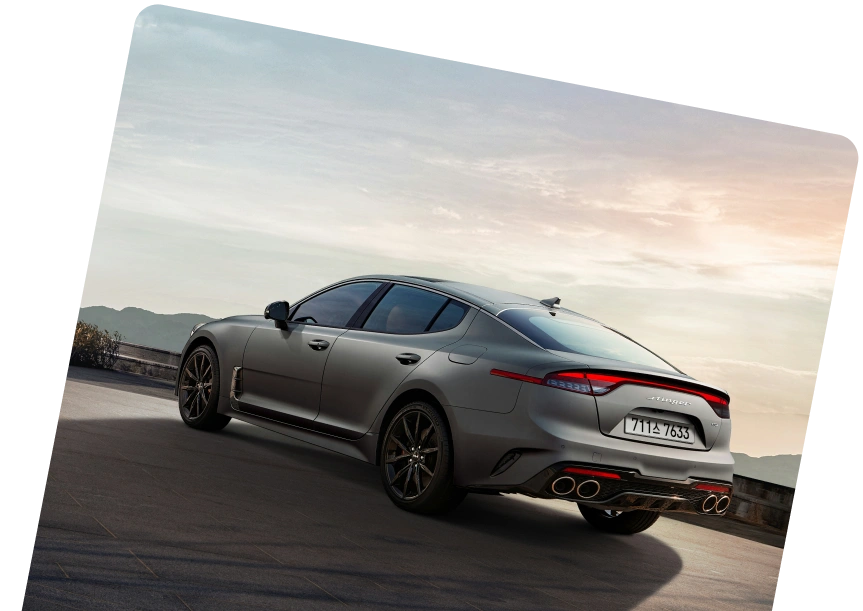





The best cars for sleeping in the back earn their place on this list by delivering 3 things: a genuinely flat load floor when the rear seats fold, enough length to stretch out (ideally 180 cm or more), and practical features like tinted glass or a high roofline that make overnight stays comfortable rather than just survivable.
We reviewed 10 models across budget, mid-range, premium and electric categories — from the Dacia Duster and Dacia Jogger to the Volkswagen ID. Buzz and Toyota Land Cruiser. For each one, you'll find interior sleeping dimensions, seat-folding configuration, and a quick verdict on who it suits best.
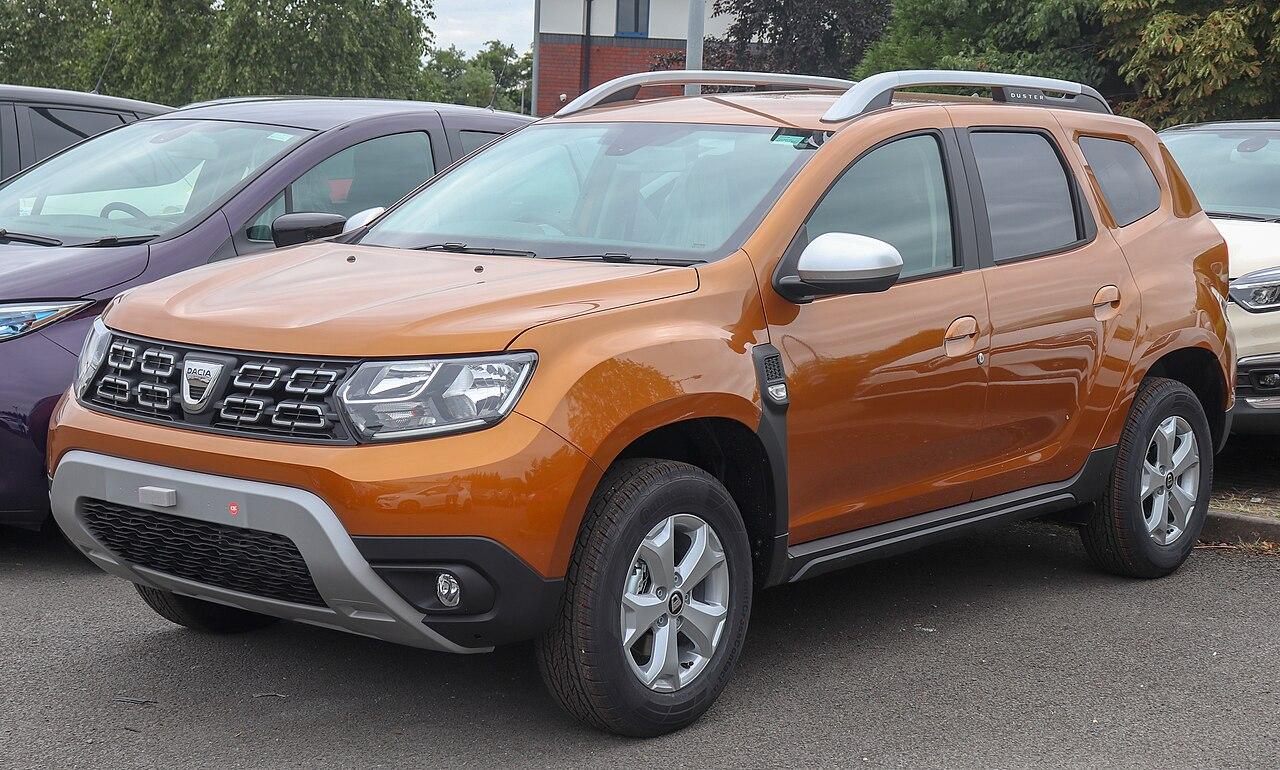
1. Dacia Duster — best all-round car for sleeping in
| Market price (used, from) | ~£12,000 |
|---|---|
| Body type | SUV |
| Doors | 5 |
| Seats | 5 |
| Fuel | Petrol / Mild hybrid |
The Dacia Duster earns its place because Dacia offers one of the strongest official camping accessories in the class. The optional InNature Sleep Pack is a removable 3-in-1 box that converts the rear of the car into a 190 x 130 cm double bed in under two minutes. That makes the Duster unusually camping-friendly for a mainstream SUV, but it should be described as an optional accessory rather than a built-in factory bed
The Sleep Pack is the headline feature, but the Duster earns its ranking on fundamentals too. The boot opens wide, the rear seats fold in a single motion, and the resulting load floor is flat enough to sleep on without the Sleep Pack if you add a camping mat. Ground clearance is generous for a mainstream SUV, which matters if you're pulling off-road to find a quiet overnight spot. Four-wheel drive is available on higher trims, giving you access to campsites that would stop a standard hatchback.
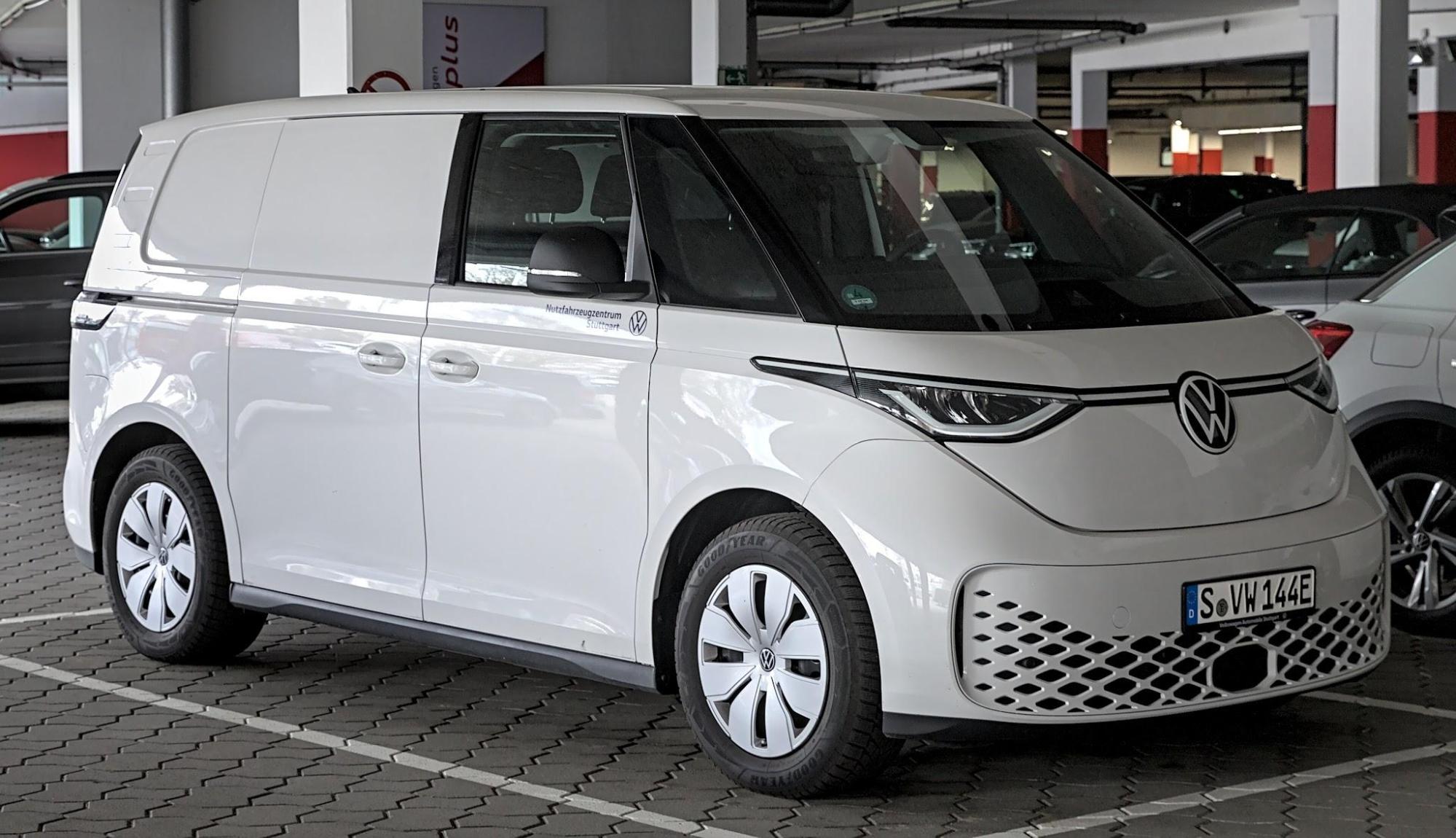
2. Volkswagen ID. Buzz — van-format EV with a genuinely flat sleep floor
| Market price (used) starts from | ~£40,000 |
|---|---|
| Body type | Electric MPV/van |
| Doors | 5 |
| Seats | 5, 6, or 7 |
| Fuel | Electric |
The Volkswagen ID. Buzz LWB folds its rear seats completely flat to create a 2.2-metre sleeping surface, making it one of the longest improvised beds available in any production vehicle sold in the UK. Volkswagen’s technical data for the ID. Buzz Pro lists a load-space length of around 2,232 mm with the second row folded, plus 1,204 mm between the wheel arches and 1,180 mm of load-space height. Exact sleeping usability still depends on seating layout and whether the multi-flex board is fitted.
Boot space backs up the sleep credentials: Volkswagen lists 1,121 litres behind the second row and up to 2,205 litres with the second row folded.The catch is that a truly level load floor requires Volkswagen's optional multi-flex board, part of the Comfort Package Plus. Without it, there's a step between the folded seat backs and the cargo floor that disrupts sleeping comfort. Budget for it when you're configuring.
The ID. Buzz is an all-electric 5-door MPV available in 5, 6, or 7-seat configurations. On-the-road prices start from £59,405 for the standard wheelbase and £59,545 for the longer LWB model.If the ID. Buzz is beyond your budget, the VW Passat Estate offers a 1.9-metre flat floor with 690 litres of boot space seats up and 1,780 litres folded — a practical sleeping length for most adults at a significantly lower price point.
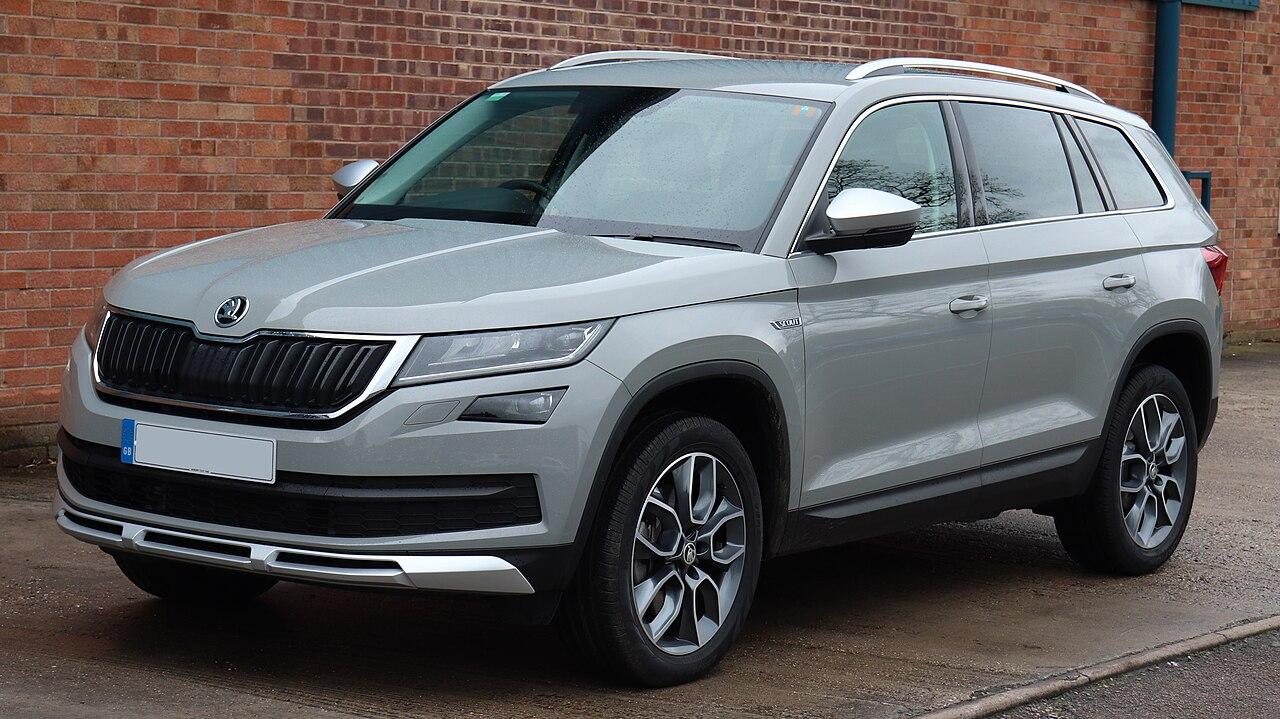
3. Skoda Kodiaq — class-leading flat load floor in a seven-seat SUV
| Market price (used, from) | ~£18,000 |
|---|---|
| Body type | SUV |
| Doors | 5 |
| Seats | 7 |
| Fuel | Petrol, diesel, PHEV |
The Skoda Kodiaq’s rear seats create a very usable near-flat load area, but exact flatness depends on generation, seating layout and boot-floor position. That matters more than raw volume when you're sleeping in the back, because even a small ridge under a sleeping mat becomes noticeable after an hour.
With the rear rows folded, the Kodiaq offers a large SUV load bay, but the exact volume varies by generation and 5-seat/7-seat layout. For the current-generation model, measured folded boot-floor length is around 1,800 mm, with narrowest floor width around 1,000 mm. That is long enough for most adults, but two-person sleeping space remains tight
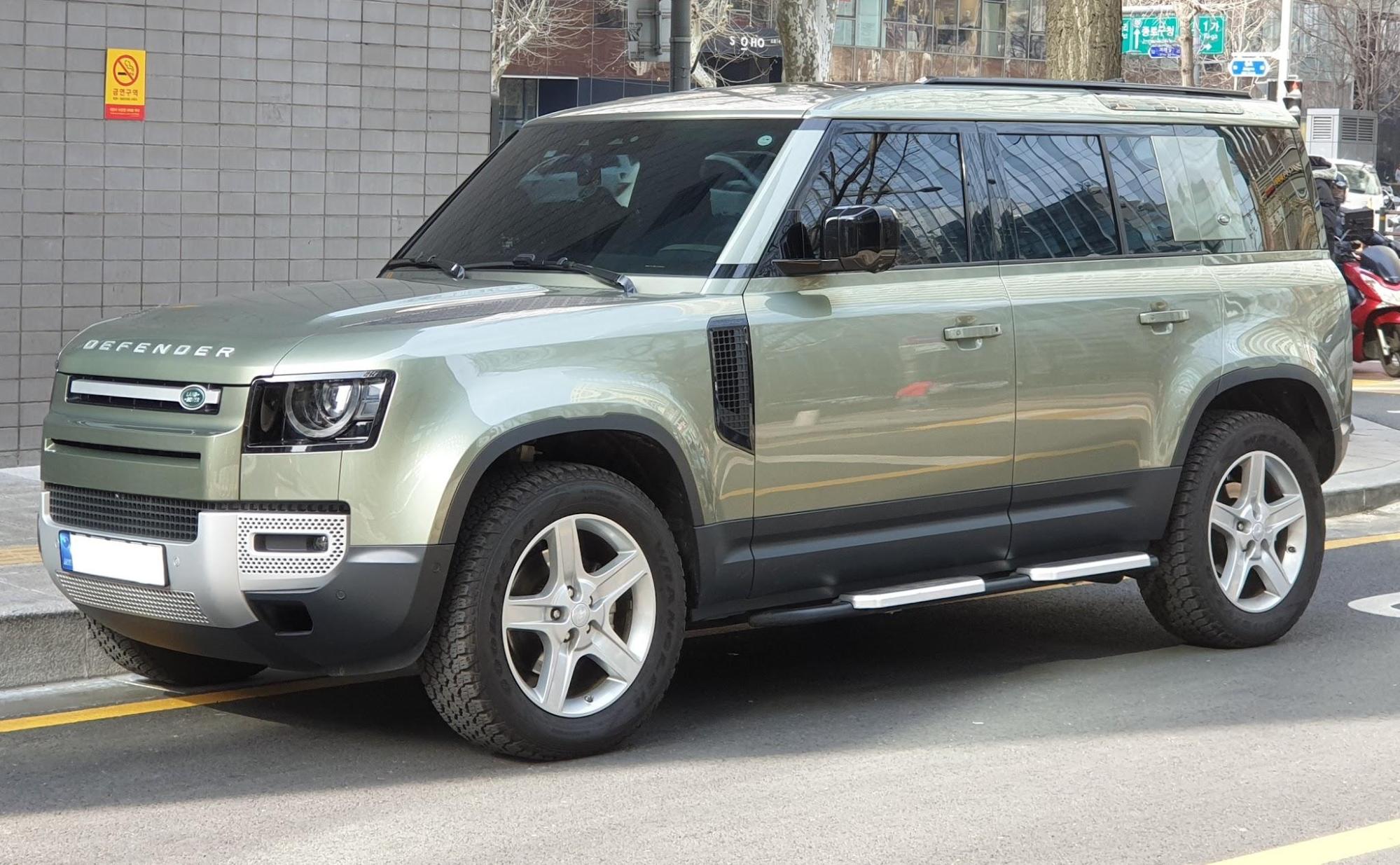
4. Land Rover Defender — iconic 4x4 for remote campsite overnights
| Market price (used, from) | ~£30,000 |
|---|---|
| Body type | SUV / 4x4 |
| Doors | 5 (110 model) |
| Seats | 5 (standard) |
| Fuel | Petrol / Diesel / PHEV |
The Land Rover Defender earns its place on this list for 1 reason: it goes where other cars on this list simply cannot. Remote campsites, forest tracks, and flooded field entrances that would stop a Duster or Kodiaq in their tracks are routine territory for the Defender, thanks to its permanent four-wheel drive, standard ground clearance of 226mm (rising to 292mm in off-road mode with optional air suspension), and a wading depth of 900mm.
The trade-off is real, though. The Defender 110’s usable load length behind the first row is around 1,763–1,789 mm depending on seating layout. That makes it usable for camping, but not especially long compared with van-based options or large estates. Taller sleepers should measure carefully before committing. The Defender suits you if your camping trips involve genuinely rough terrain — national parks, highland tracks, or off-grid sites with no road access.
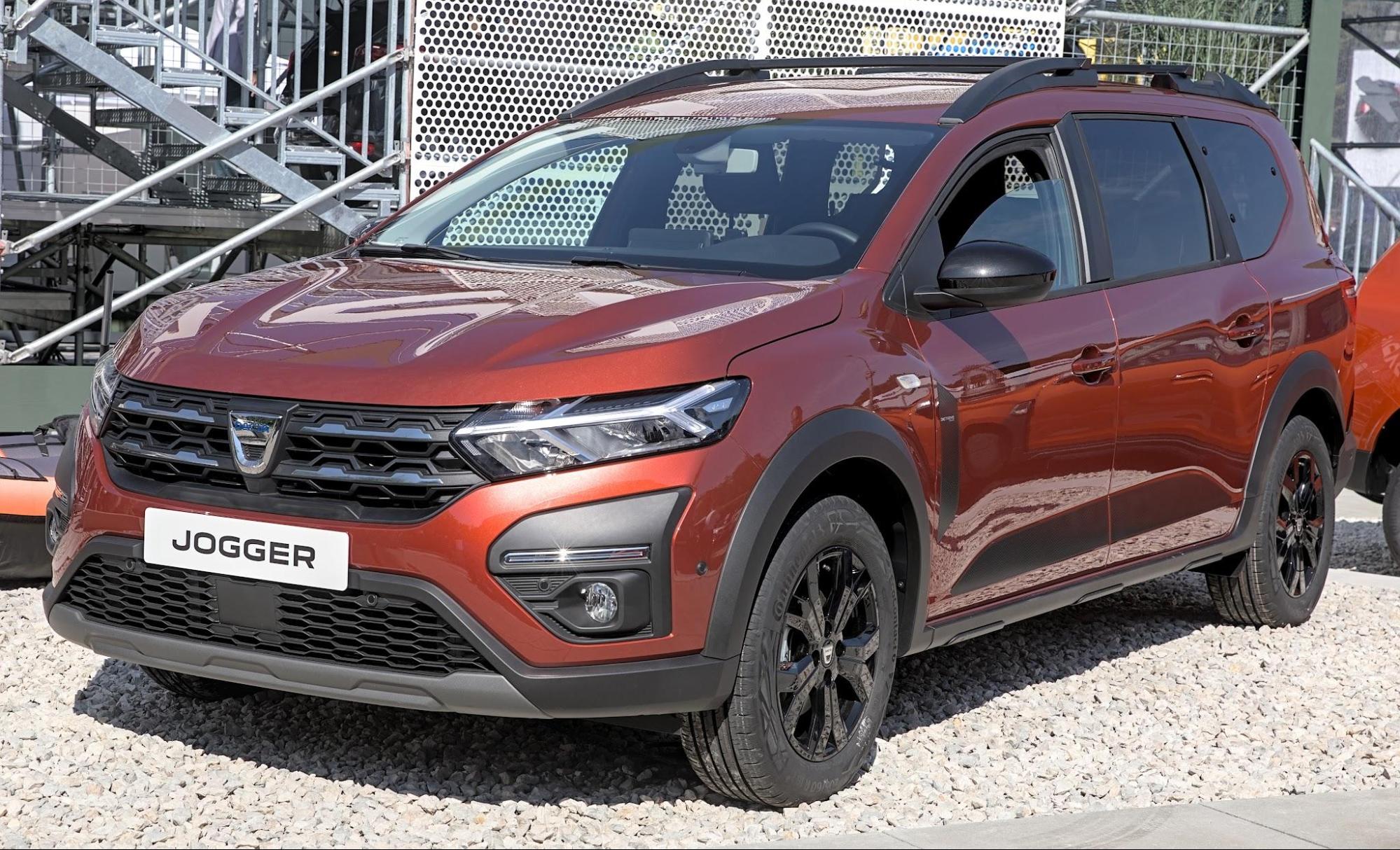
5. Dacia Jogger — best-value seven-seater for sleeping under £20,000
| Market price (used, from) | ~£13,000 |
|---|---|
| Body type | MPV / estate |
| Doors | 5 |
| Seats | 7 |
| Fuel | Petrol / hybrid |
The Dacia Jogger earns its place on this list by offering more sleeping space than almost anything else under £20,000 — a genuinely rare combination in the UK market.
With the 5th and 6th seats folded flat, the Jogger opens up a load bay stretching around 2,000 mm, enough for most adults to sleep without curling up. The floor isn't perfectly level — there's a slight step where the rear seats fold, but a thin camping mat or folded blanket smooths that out quickly. Width across the folded area runs to approximately 1,000 mm, which is comfortable for a single sleeper and workable for 2 people who don't mind being close.
Dacia also sells official camping accessory packs for the Jogger, all priced under £2,000, including a roof tent bracket and interior organiser kit. That makes it one of the few cars on this list with manufacturer-backed camping support straight from the showroom.
The catch is headroom: at around 1,000 mm with the seats down, you're sitting up rather than sitting tall. Taller sleepers above 6 ft may find it tight.
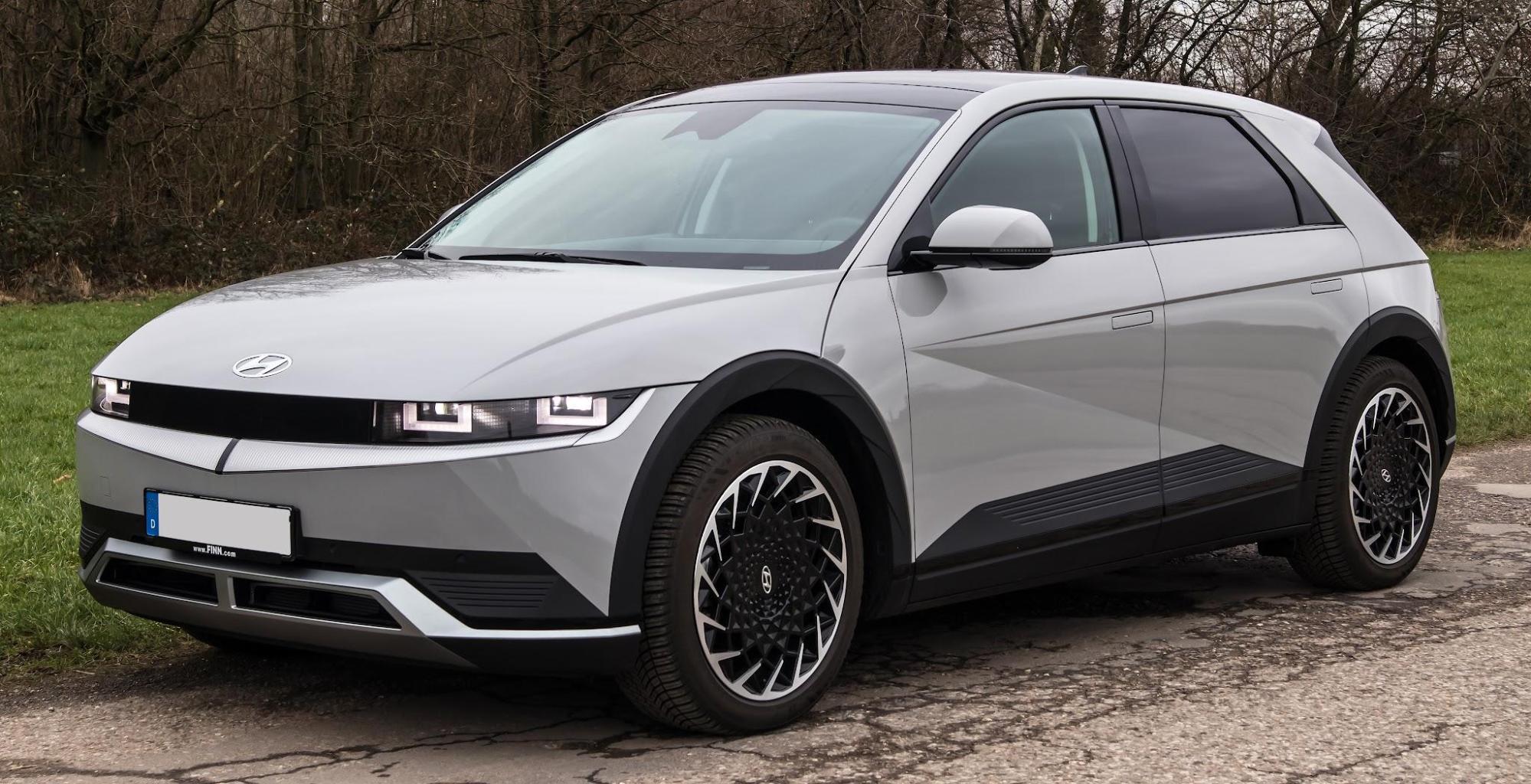
6. Hyundai Ioniq 5 — flat-floor EV with camping-friendly modular interior
| Market price (used, from) | ~£22,000 |
|---|---|
| Body type | SUV |
| Doors | 5 |
| Seats | 5 |
| Fuel | Electric |
The Hyundai Ioniq 5 stands out among EVs for sleeping because its flat floor runs the full length of the cabin — a direct result of the dedicated EV platform, which places the battery pack beneath the floor rather than intruding into the interior. Fold the rear seats and the Ioniq 5 gives a measured boot-floor length of around 1,810 mm, with a narrowest boot-floor width of about 1,040 mm. That makes it more usable for sleeping than the 1,600 mm figure suggests, though taller sleepers may still need to angle slightly or use the front footwell space.
The interior width is generous too, at roughly 1,050 mm between the wheel arches — comparable to most SUVs in this class. The flat floor means no transmission tunnel to work around, so a sleeping pad or air mattress sits level across the full surface.
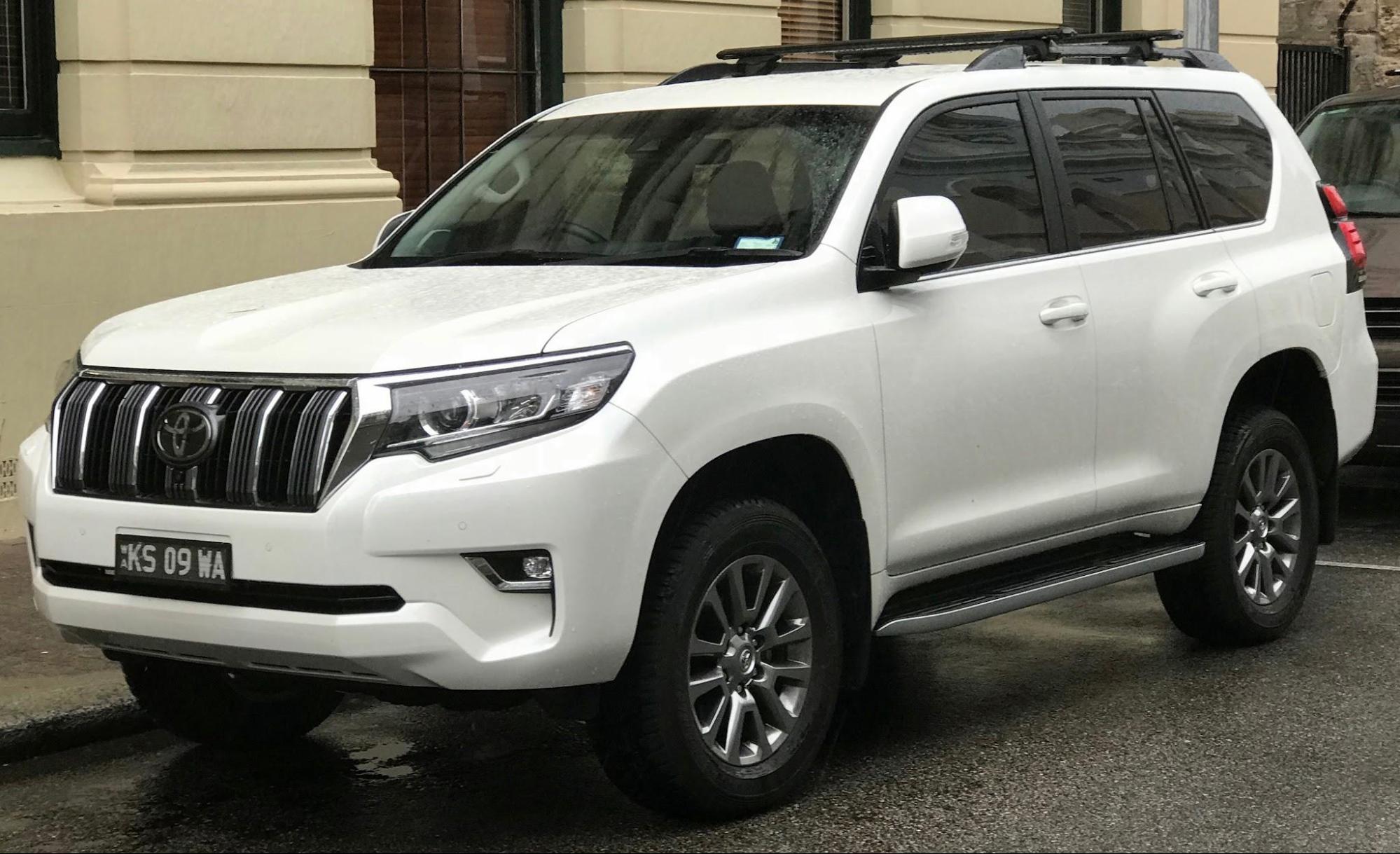
7. Toyota Land Cruiser — longest cargo bay for tall sleepers
| Market price (used, from) | ~£35,000 |
|---|---|
| Body type | SUV |
| Doors | 5 |
| Seats | 5 (or 7 in long-wheelbase) |
| Fuel | Diesel |
The Toyota Land Cruiser gives tall sleepers the longest usable cargo bay on this list — fold the rear seats flat and you get approximately 1,830 mm of load length — sufficient for most adults up to around 6 ft, though 6ft 4in adults should measure carefully before committing. That extra length is the single reason it ranks here over shorter SUVs.
The trade-off is size and cost. The Land Cruiser is a large, heavy 4x4 that typically starts from £35,000. You're buying a serious off-road vehicle that happens to sleep well, not a budget camper.The flat load floor is firm rather than padded, so a self-inflating mat is worth adding. Headroom with the tailgate closed sits at around 1,000 mm — comfortable for sitting upright before sleep, tight for changing clothes.
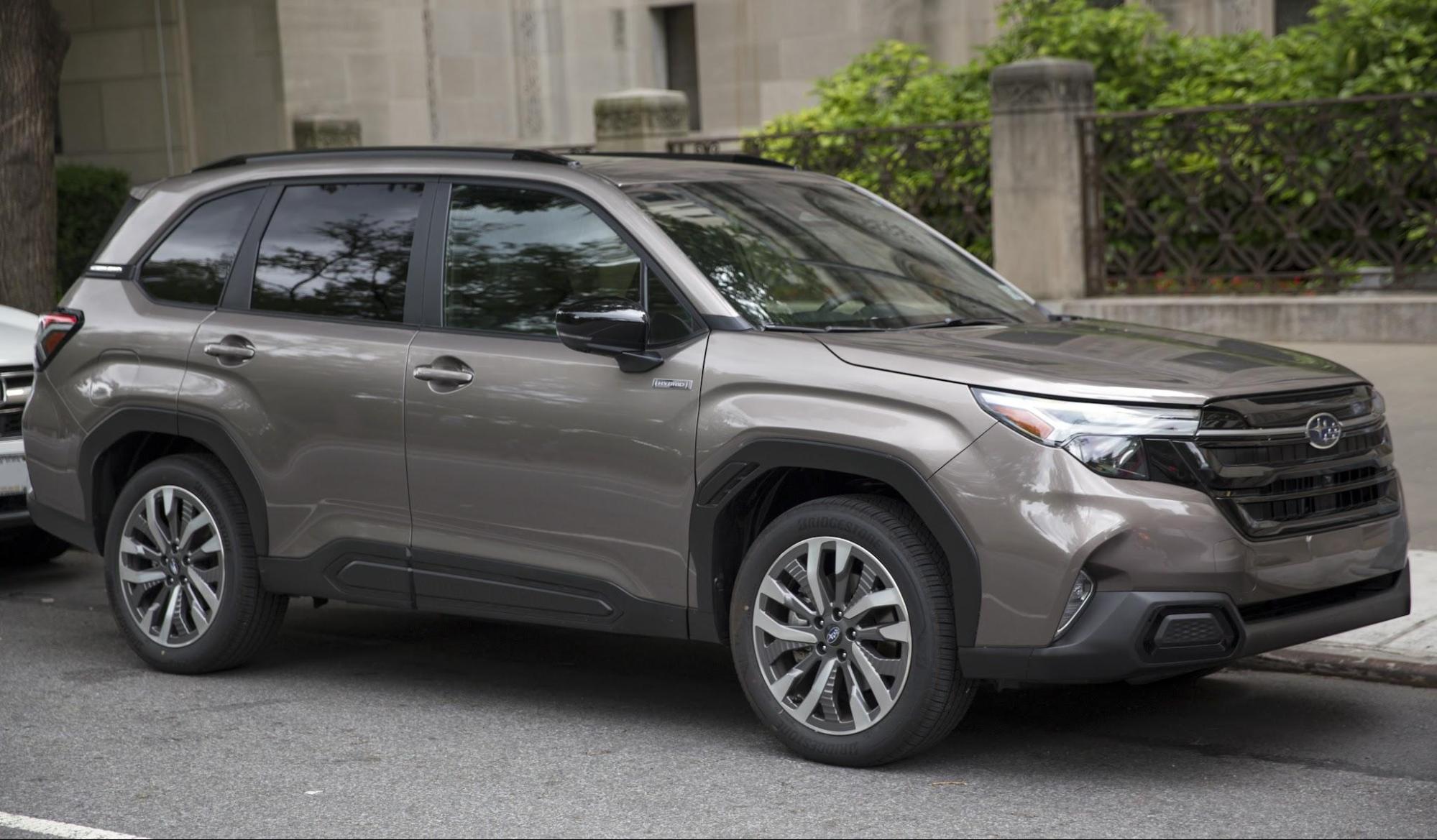
8. Subaru Forester — stealth camping with AWD and best-in-class ventilation
| Market price (used, from) | ~£12,000 |
|---|---|
| Body type | SUV |
| Doors | 5 |
| Seats | 5 |
| Fuel | Petrol / Petrol-hybrid |
The Subaru Forester earns its place on this list through a combination of symmetrical AWD traction, a genuinely flat rear cargo floor, and the best passive ventilation setup of any car in this ranking. Fold the rear seats and you get roughly 1,780mm of load length — enough for most adults up to around 6ft, on a surface that sits nearly level with the boot sill.
The ventilation advantage is real. The Forester's panoramic sunroof tilts open independently of the glass panel, creating a chimney effect that draws warm air out without exposing you to rain or direct wind. Pair that with cracked rear windows and condensation stays manageable through the night.
For stealth camping, the Forester's boxy silhouette and dark-tinted rear glass work in your favour. It reads as a family SUV parked overnight, not a camper van drawing attention. The raised ride height — 220mm of ground clearance, also means you can pull off-road onto outback forest tracks or national park lay-bys without scraping the underside.
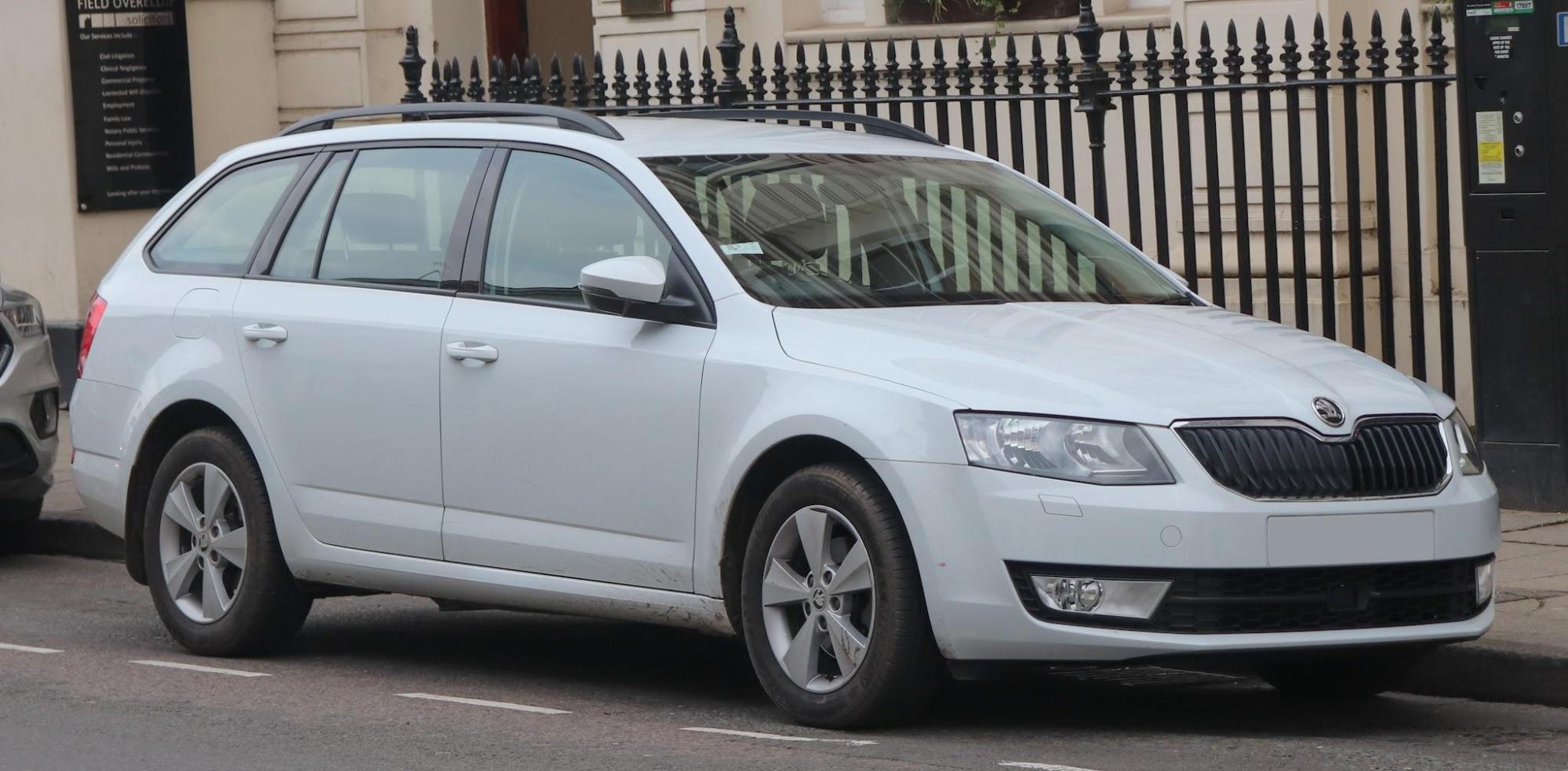
9. Skoda Octavia Estate — the practical non-SUV alternative at unbeatable value
| Market price (used, from) | ~£10,000 |
|---|---|
| Body type | Estate |
| Doors | 5 |
| Seats | 5 |
| Fuel | Petrol / Diesel / Mild hybrid |
The Skoda Octavia Estate delivers 640 litres of boot space with seats up and folds completely flat — giving you a class-competitive sleeping surface at a price point well below premium rivals like the Mercedes E-Class Estate. The Skoda Octavia Estate is consistently ranked alongside the Ford Mondeo Estate as one of the best-value cars for overnight use, partly because its load floor sits lower than most SUVs, reducing the step-in height when climbing in at night.
For context, the Skoda Superb Estate sits above it in the range with 690 litres seats-up and 1,920 litres fully folded — one of the largest load bays of any estate car in the UK. The Octavia trades some of that volume for a significantly lower purchase price, which makes it the smarter pick if sleeping space is your priority but your budget isn't unlimited.
Estate cars run narrower than most SUVs, so taller or broader sleepers may find the Octavia tight across the shoulders. A sleeping pad helps level any minor seat-fold ridge.
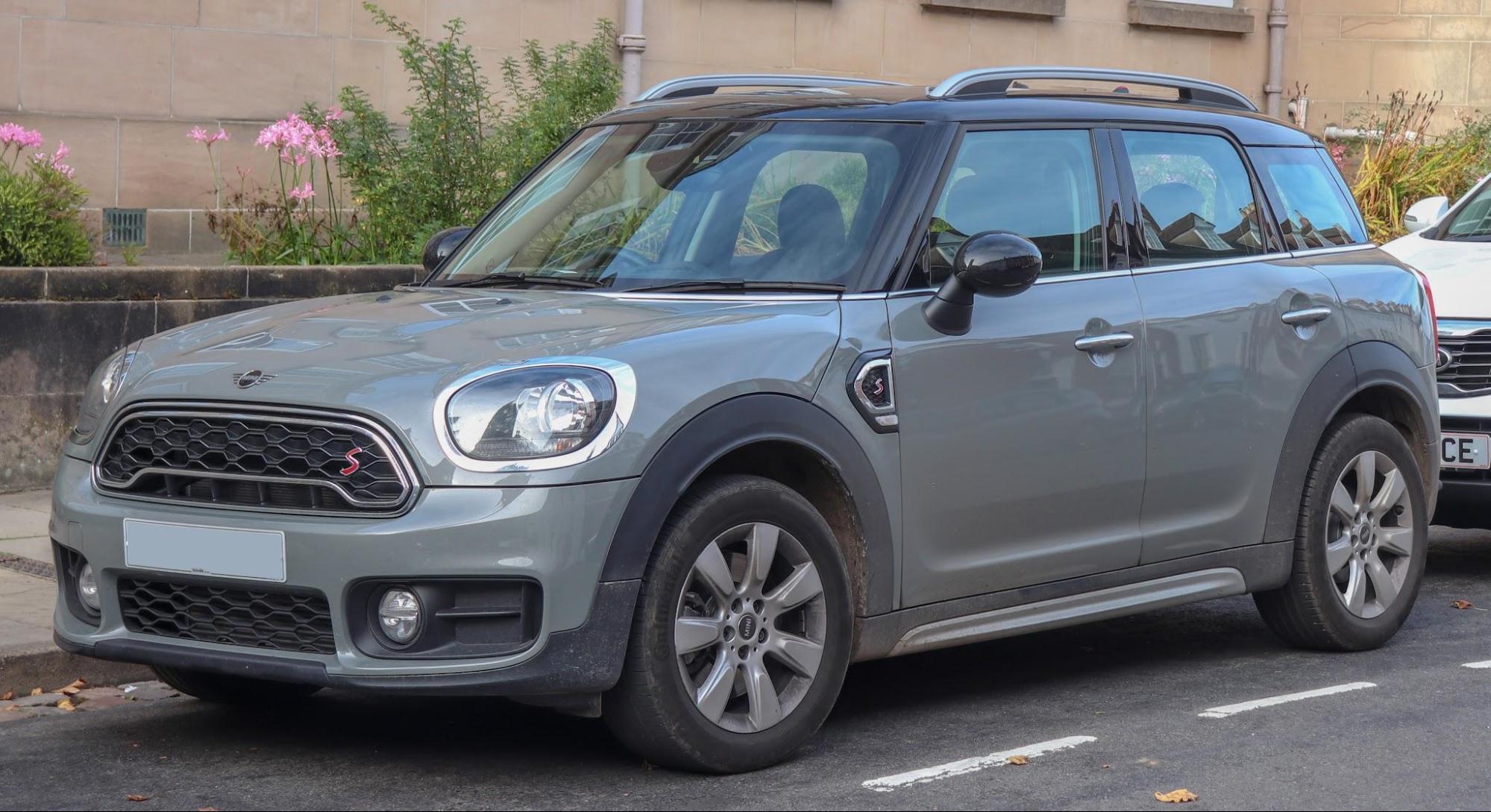
10. Mini Countryman — compact pick for solo sleepers and van-life beginners
| Market price (used, from) | ~£9,000 |
|---|---|
| Body type | Compact SUV |
| Doors | 5 |
| Seats | 5 |
| Fuel | Petrol / Diesel / PHEV |
The Mini Countryman suits solo sleepers and van-life beginners who want a compact, discreet package without committing to a full SUV or estate. Fold the rear seats flat and you get roughly 1,390mm of cargo length — tight for anyone over 5ft 8in, but workable for a solo sleeper using a shaped camping mat. The floor isn't perfectly level, so a thin wedge cushion under the mat helps.
What the Countryman trades in length it partly recovers in character. The raised roofline gives around 900mm of headroom above the load floor, meaning you can sit up to read or change without contorting yourself. The tinted rear glass on most trims adds a degree of natural privacy that makes stealth camping more realistic than in a standard hatchback.
The Countryman isn't the most practical car on this list, but it's the most liveable for 1 person who wants a daily driver that doubles as an occasional overnight shelter.
What type of car is best for sleeping in?
SUVs dominate the conversation about cars for camping, but the best car type for sleeping depends on 3 factors: load-floor length, fold-flat quality, and headroom clearance.Van-based vehicles win on raw space.
- Large SUVs offer the best balance of length, height, and all-terrain capability.
- Estate cars frequently beat compact SUVs on load-floor flatness despite lower ride height.
- Compact SUVs often produce a stepped floor when folded, which disrupts sleep.
Estate cars as a practical alternative to SUVs
Estate cars often produce a longer, flatter load floor than compact SUVs because their boot extends further rearward without the wheel-arch intrusion common in raised-body designs. The trade-off is ground clearance: estates sit lower, which limits rough-terrain access but rarely matters for campsite or roadside sleeping.
Flat-folding seats and creating a comfortable sleeping surface
The best designs drop flush with the boot floor in a single motion, leaving no ridge between the rear seat and cargo area. Stepped folds force you to use padding to bridge the gap. Always check whether the fold is 60/40 split or full-width: a full-width fold gives more usable sleeping width.
Window coverage, insulation, and staying warm when sleeping in your car
Larger window areas improve ventilation but increase heat loss overnight. Vehicles with smaller rear windows are easier to cover with cut-to-fit thermal blinds. Avoid running the engine for heat overnight due to carbon monoxide risk; a sleeping bag rated to 0°C is safer.
Built-in sleeping features
Most cars require manual mattress, sleeping gear, or bedding configuration. The Hyundai Ioniq 5 is the notable exception, with a modular interior accommodating purpose-made inflatable mattress inserts. The Dacia Jogger offers official camping accessory packs costing less than £2,000, including a roof tent option.
How much cargo space do you actually need to sleep in a car?
Sleeping comfortably in a car requires a minimum flat cargo length of around 172cm (5ft 8in) for shorter adults and at least 188cm (6ft 2in) for taller sleepers. Most cars fall short until you fold the rear seats.
The benchmarks hold up against real specs. The VW ID. Buzz delivers a 2.2m sleep platform — enough for any adult. The Skoda Superb Estate expands from 690 to 1,920 litres with seats folded, giving a genuinely long, flat surface. The VW Passat Estate produces a 1.9m flat floor. The Honda Jazz stretches from 304 to 1,205 litres when configured fully flat.
Width matters too. Aim for at least 90cm shoulder-to-door clearance to avoid waking up wedged against a wheel arch.
What to look for when choosing a car to sleep in
Choosing the right car for sleeping comes down to 5 measurable criteria — checking each one before you buy saves you from discovering a deal-breaker at a campsite at midnight.
- Load length is the most important number. You need at least 180 cm with seats folded for a 5 ft 8 in adult, and 190 cm or more for anyone over 6 ft. Check the manufacturer's flat-cargo figure, not the seats-up boot volume — they are completely different measurements.
- Van-based vehicles deliver 190–230 cm of cargo length with seats folded, the largest usable sleeping surface of any vehicle type in this comparison. SUVs typically land between 170–200 cm; estates between 165–190 cm. For trip duration, match your vehicle to your ambitions: a weekend trip (2–3 nights) works in most SUVs; a week-long road trip demands the longer cargo bay of a van-format or large estate.
- Flat-fold seats matter almost as much. Some cars fold to a genuinely level surface; others leave a pronounced step between the boot floor and the folded seat back. Look for 60/40 or 40/20/40 split-fold rear seats that drop flush with the boot floor.
- Headroom is the dimension most buyers overlook. Taller SUVs and vans give 90 cm or more of interior height — enough to sit up and change. Estates often drop to 75–80 cm, which means lying flat only.
- Ventilation keeps condensation manageable. A factory sunroof or pop-out rear quarter windows help significantly. Without active ventilation, a single night can leave windows dripping by morning.
- Window coverage determines whether you sleep in privacy or on display. Tinted rear glass, factory privacy glass, or aftermarket covers all work — measure rear window dimensions before buying covers, as shapes vary widely between models.
Interior Dimensions Comparison: Sleeping Length, Width & Height
| Model | Cargo length (seats folded) | Cargo width | Headroom (rear) |
|---|---|---|---|
| Dacia Duster | ~1,800 mm | 1,000 mm | 975 mm |
| Volkswagen ID. Buzz | ~2,230 mm | 1,204 mm | 1,180 mm |
| Skoda Kodiaq | 1,950 mm | 1,100 mm | 1,020 mm |
| Land Rover Defender | 1,780 mm | 1,050 mm | 1,050 mm |
| Dacia Jogger | 1,810 mm | 1,020 mm | 990 mm |
| Hyundai Ioniq 5 | ~1,830 mm | 1,050 mm | 1,000 mm |
| Toyota Land Cruiser | ~1,830 mm | 1,100 mm | 1,060 mm |
| Subaru Forester | ~1,776 mm | 1,020 mm | 985 mm |
| Skoda Octavia Estate | 1,780 mm | 1,010 mm | 940 mm |
| Mini Countryman | ~1,390 mm | 950 mm | 920 mm |
How much interior space do you need to sleep comfortably?
Comfortable car sleeping needs a minimum of 180 cm (about 5 ft 11 in) of flat cargo length for most adults. If you're 6 ft 2 in or taller, aim for 195 cm or more — the Toyota Land Cruiser and Volkswagen ID. Buzz both clear that threshold with seats folded.
Width matters almost as much as length. A sleeping surface narrower than 90 cm forces you into an awkward diagonal position that wrecks your sleep after a few hours. Most full-size SUVs and estates hit 100–115 cm between the wheel arches, which is workable for 1 person. Anything below 85 cm is solo-only territory.
Headroom is the dimension most people forget to check. You don't need to sit upright while sleeping, but you do need enough clearance to roll over and change position without hitting the roof. Around 80–90 cm of interior height with the seats folded is the practical minimum.
A car that looks spacious from the outside can still disappoint once the seats are down. Wheel arch intrusions, uneven load floors, and seat-back ridges all eat into usable sleeping space. The Interior Dimensions Comparison table further down this article gives exact folded measurements for every car on this list — check those numbers before you decide.
Table of Contents