





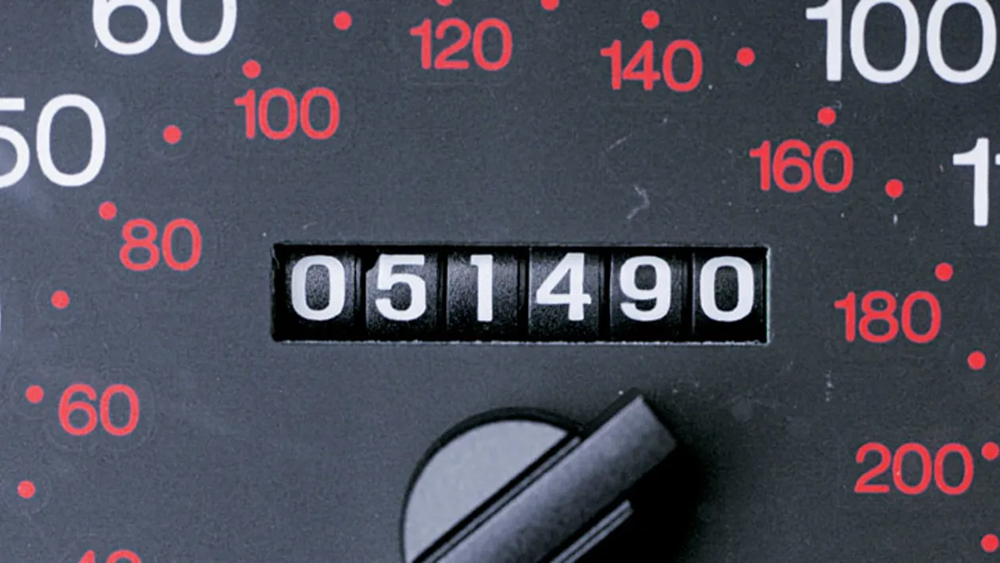
Mileage matters and it directly affects what you pay, how often you visit a mechanic, and how long the car lasts. But a single number on the odometer won't give you the full picture. UK drivers cover around 7,400 miles per year, so multiply that by the car's age and you get a solid benchmark to judge any used car against. A car sitting above that figure for its age costs you more over time. Get the mileage right and you get better reliability, lower running costs, and a stronger resale value when you come to sell.
A quick note: it's not only about finding a used car with good mileage. Finding a car that fits your budget and meets your personal needs is also important. This is what Carplus will help you do! Moreover, we'll connect you with approved dealerships to ensure you get the best car financing terms possible. Use the tool today to get ahead!
Does mileage on a used car matter? is it important?
Yes, mileage matters, and it belongs at the top of your checklist. It tells you how hard the car has worked and gives you a clear signal of what lies ahead in terms of repairs and running costs.
Mileage directly affects wear on the engine, suspension, and brakes, as well as the car's resale value and lifespan. The higher the mileage, the more these components have been put under stress. And the more stress they've absorbed, the sooner you'll need to replace them.
You may also be interested to read - How much does it cost to run a car?
Mileage on a used car: What is the problem?
High mileage is not the problem. Neglect is. A former business car, for example, often carries high mileage but comes with a full service history, professional maintenance, and careful driving. That combination makes it a solid buy.
The real problems start when a previous owner ignored the basics. High mileage without replacing tyres, brake pads, and shock absorbers puts serious strain on the car. Every component the manufacturer recommends replacing at a set mileage should have been replaced, full stop.
And the further a car has travelled, the more you'll spend keeping it on the road. Bear that in mind when you negotiate the price. Cam belt replacement sits at the top of that cost list, so check when it was last done before you commit.
How many miles on a used car is bad?
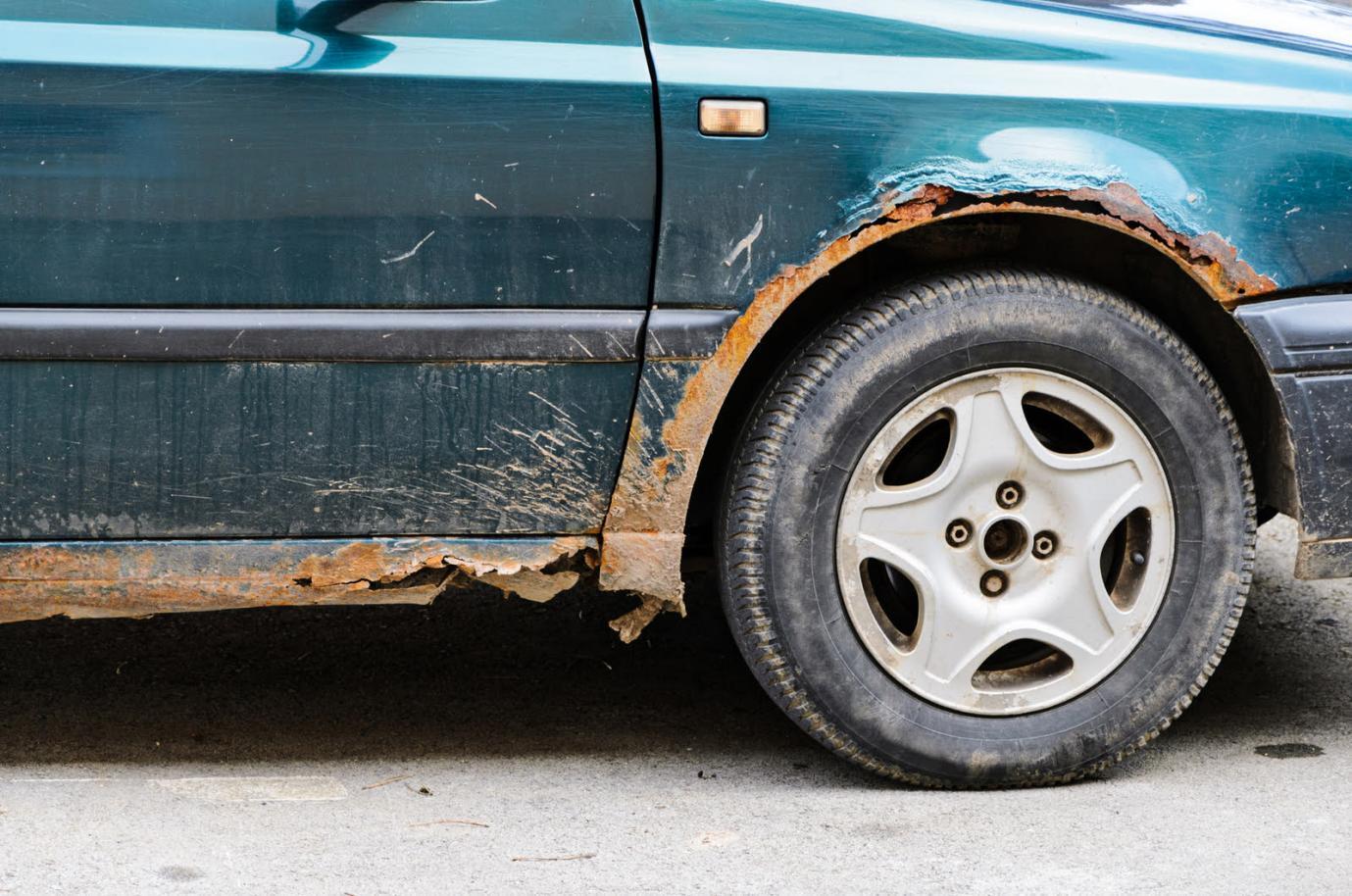
Treat 15,000 miles per year as your cut-off for what counts as bad mileage. Cars are built to last around 200,000 miles, so a total mileage above 170,000 signals serious wear ahead. Some buyers draw that line at 150,000. At either point, key components start to degrade and repair costs climb fast.
How to check the mileage on a used car?
Start with the odometer, but don't stop there. Odometer rollback is a common fraud tactic that makes a car appear newer than it is. Cross-check the reading using at least two or three of these methods:
- Check the car's components. Worn pedals, steering wheel, seats, and tyres on a low-mileage car point to clocking. Trust what you see over what the seller tells you.
- Check the documents. Look for consistent mileage readings across the service history, MOT certificates, and logbook. Gaps or jumps in the numbers are red flags.
- Run a free MOT history check. The DVLA provides a free online tool at gov.uk where you can check any car's full MOT history using its registration number. It shows the recorded mileage at every test, so you can instantly spot any figures that drop, freeze, or jump between years — the clearest signs of clocking.
- Use a diagnostic device. A device plugged into the car's OBD port reads stored mileage data and helps identify discrepancies.
- Visit a mechanic. A professional spots tampered components and wear patterns that don't match the claimed mileage.
- Run a VIN check. Use a vehicle identification number checker like this one to pull the car's full history and verify the mileage on record.
How to determine good mileage on a used car: Low vs High
No single rule defines how many miles is too many on a used car. But the statistics give you a clear framework, and understanding the difference between low, average, and high mileage puts you in a much stronger position when you buy.
Average mileage
UK drivers covered 6,800 miles per year in 2020, according to NimbleFins data. That figure sits 8% below the 2019 average of 7,400 miles. And looking further back, drivers covered 9,100 miles in 2004, down 22% to 7,100 by 2024.
The table below breaks down how those miles split across different journey types:
| Years | Miles for business | Miles for commuting | Private miles | Average total miles |
| 2020 | 200 | 2,400 | 4,100 | 6,800 |
Lockdowns drove that 2020 figure down sharply, and analysts confirmed the lasting effects persisted after the economy reopened. For your calculations, use the pre-pandemic figure of 7,400 miles per year as your working benchmark. It gives you a more accurate picture of normal UK driving.
Here is the average mileage you should expect from cars of different ages:
Average mileage x age of the vehicle = vehicle's total mileage
- 7,100 x 3 years = 21,300
- 7,100 x 5 years = 35,500
- 7,100 x 10 years = 71,000
Good (Low) mileage
No firm number defines low mileage universally, but insurers give you a useful reference point. Most UK insurers classify 5,000 miles per year as low mileage. If you know you cover more miles than the average driver, a low-mileage car helps balance out the higher annual mileage you will add.
Here is the low mileage you should expect from cars of different ages:
- 5,000 miles x 3 years = 15,000 miles
- 5,000 miles x 5 years = 25,000 miles
- 5,000 miles x 10 years = 50,000 miles
Always check the car's components alongside the odometer. Seats and interior trim in great condition fit a low-mileage story, but worn clutch, gearbox, and brakes tell a different one. That pattern points to a car that spent long periods in stop-start traffic rather than a car that has genuinely been driven less.
The benefits of buying a used car with low mileage include:
- The car is usually in better condition, with less wear and tear
- Requires less servicing
- Higher resale value
But low mileage comes with its own pitfalls:
- More expensive than cars with average and high mileage
- Cars that sit unused for long periods develop their own problems, including perished seals, flat spots on tyres, and battery drain
You may also be interested to read - 16 Cheapest Cars to Run in the UK
Bad (High) mileage
Any annual mileage significantly above 7,400 miles qualifies as high. In practice, 10,000 to 15,000 miles per year puts a car firmly in the higher-mileage category. To illustrate what high mileage looks like across different ages, here are examples based on 12,000 miles per year:
- 12,000 miles x 3 years = 36,000 miles
- 12,000 miles x 5 years = 60,000 miles
- 12,000 miles x 10 years = 120,000 miles
Do not treat those figures as a hard rule. They show what a heavily used car looks like for its age, nothing more. A 3-year-old car with 40,000 miles deserves a proper look, not an instant dismissal. In practice, most buyers and dealers reserve the "high mileage" label for cars that have passed the 100,000-mile mark.
A high-mileage car can still be a strong buy in the right circumstances:
- Usually the cheapest options on the market
- Slower depreciation, so you lose less money over time
But go in with your eyes open on the pitfalls:
- Older models can make finding replacement parts harder and more expensive
- More prone to corrosion and mechanical failures as components age
- Manufacturer warranty has most likely expired, leaving you to cover repair costs
You may also be interested to read - The best used cars under £7000
The 60,000 to 100,000-mile danger zone
This mileage range carries a specific risk that most buyers overlook. Clutches, cam belts, water pumps, and suspension components all approach end of life simultaneously at this interval. Many owners skip these expensive jobs and sell the car instead.
A car in this range with incomplete service records deserves more scrutiny than a well-maintained 130,000-mile example that has clearly had those jobs done. Past 150,000 miles, a properly serviced car has likely already been through all those replacements — making it a safer buy than a neglected 80,000-mile one.
Good mileage: What is more important?

Mileage alone does not make a car good or bad. Two cars with identical odometer readings can be in completely different conditions and worth very different amounts. These are the factors that carry just as much weight as the number on the clock.
Age of a car
Always read mileage in relation to age. A high-mileage older car raises different concerns to a high-mileage newer car, where heavy prior use is the more likely explanation. Neither is automatically a bad buy, but both deserve closer scrutiny.
Condition matters more than age on its own. A car with solid mileage figures and good overall condition remains a strong purchase regardless of how many years it has been on the road. But age does have one area where it bites hard: depreciation.
Newer cars depreciate fastest. In the best-case scenario, a new car loses 20% to 40% of its value within the first three years. That said, newer cars bring real advantages worth considering:
- Latest technology features
- Better safety ratings and equipment
- Stronger warranty coverage
- Better fuel efficiency
If any of those matter to you, the higher price of a newer car may well justify itself.
Car type
The type of fuel a car runs on directly shapes what counts as normal annual mileage. Here is how the averages break down by fuel type:
| Fuel type | Average annual mileage |
| Electric diesel | 11,167 |
| Hybrid electric | 9,708 |
| Electric | 7,265 |
| Petrol | 5,893 |
These differences reflect the types of drivers who choose each fuel type rather than the cars themselves. Higher-income households, who more commonly own electric and hybrid vehicles, drive significantly further than average. So a high-mileage electric or hybrid car may simply reflect its owner's lifestyle rather than hard use.
Body style also shapes what mileage looks like in practice. SUVs consistently rank among the most durable cars on the market, and their raised ground clearance suits varied terrain. A saloon or coupe with the same total mileage may have absorbed far more stress if it spent time on roads it was not built for.
Does make and model affect good mileage?
Yes, significantly. A Toyota or Honda at 150,000 miles draws far less concern than a complex German or French car at 80,000 miles. Reliable manufacturers build drivetrains that handle high mileage with far less drama, while cars with expensive or hard-to-source parts become a financial liability much earlier.
Research the specific make and model before you judge any car on its odometer alone. Some cars are built to go the distance. Others are not.
Vehicle condition
Ask yourself how the previous owner treated the car. Hard driving causes more damage than high mileage alone. An aggressive driver strips a set of tyres in under a year, while a careful driver may cover 30,000 to 35,000 miles on the same set.
Look for these signs of aggressive driving during your inspection:
- Disproportionate wear on the interior
- Slow-retracting seat belt
- Difficulty starting the engine
- Sluggish acceleration
- Noisy or squeaky brakes
- Excessive vibration through the steering wheel or pedals
- Smoky exhaust
- Unfixed minor dents and scratches
If you spot several of these, move on. A low mileage figure does not offset a car that has been driven into the ground.
Check for hidden damage too. Pull back the edge of the carpet, lift the boot mat, and inspect bolts, screws, and exposed metal for staining and rust. And always view the car in direct sunlight — it exposes paint defects, panel repairs, and bodywork issues that artificial light hides.
You may also be interested to read - How much does a car service cost in the UK?
Mileage that makes sense
Low mileage only tells a positive story when it makes sense for the car's age and history. A five-year-old car with 15,000 miles is not automatically a better buy than a three-year-old car with 25,000 miles. The low-mileage car may have spent most of its life parked up, or it may have covered short urban trips that never allowed the engine to reach its proper operating temperature. Both scenarios accelerate wear on the brakes and engine over time. High-traffic roads packed with speed bumps add stress to the suspension and clutch on top of that.
Ask the previous owner directly how they used the car. Regular longer motorway runs accumulate mileage quickly but keep wear minimal. That pattern is a positive sign. But always back up what the seller tells you with a full inspection from a professional mechanic — sellers are not always accurate when they describe their own driving habits.
At what mileage do cars start having problems?
Most cars run reliably for the first 50,000 miles with standard servicing. After that, components start reaching the end of their designed lifespan and repairs become more frequent. Here is what you can expect and when:
- Brake pads — new ones are needed every 50,000 miles
- Battery deterioration — starts around 50,000 miles
- Worn tyres — typically need replacing at 50,000 to 60,000 miles
- Cam belt replacement — due every 60,000 miles
- Power steering pump failure — common between 60,000 and 90,000 miles
- Water pump failure — common between 60,000 and 90,000 miles
- Transmission failure — risk increases significantly at 100,000 miles
- Fuel pump failure — most common between 100,000 and 150,000 miles
Use this list as a maintenance checklist when you inspect a used car. Ask the seller which of these have been replaced and get proof. Any gaps in that list translate directly into costs you will carry after purchase.
What happens when a car reaches maximum mileage?
There is no hard mechanical cut-off where a car simply stops working. Maximum mileage is the point where repair costs outpace the car's value, and keeping it on the road stops making financial sense.
Most modern cars are built to last around 200,000 miles with proper maintenance. Past 150,000 miles, components start to degrade faster than routine servicing can address. Rubber seals dry out and crack, causing fluid leaks. Metal parts become brittle and more prone to failure. Rust accelerates on the body and undercarriage. And the list of parts needing replacement grows longer with every service.
At this stage, the car's market value drops sharply. A car beyond 170,000 miles holds very little resale value, and most buyers walk away from it entirely. Financing becomes harder to secure too, as lenders treat very high mileage vehicles as a credit risk.
The practical decision most owners face at this point is straightforward. Add up the likely repair costs over the next 12 months and compare that figure against what the car is worth. If the repairs cost more than the car, selling it for parts or scrapping it makes more sense than continuing to fix it.
What’s more important: mileage or age?

Judge the two together, not in isolation. The number of miles directly shapes the car's condition, but age tells you how long the car has had to accumulate those miles. A car with high total mileage racked up over ten years tells a very different story to a three-year-old car with the same number on the clock.
But the type of miles matters just as much as the total. A car that built up most of its mileage on motorways runs at a steady speed, stays at a consistent temperature, and puts far less stress on its components than a city car that spends its life in stop-start traffic. Same mileage, very different wear.
So when you compare two used cars, look at all three factors together: total mileage, age, and how those miles were accumulated. That combination gives you a far more accurate picture of the car's true condition than any single number on its own.
Recap: Not only good mileage
Mileage is your starting point, not your final verdict. Aim for a car covering 6,000 to 9,000 miles per year on the lower end, and up to 12,000 miles on the higher end. A total mileage of 30,000 to 45,000 sits in fair territory for most everyday used cars.
But always weigh mileage alongside the car's age, make and model, overall condition, and the time of year you buy. A car that ticks every box on mileage but fails on condition is still a bad purchase.
Use this checklist before you commit to any used car:
- Mileage: use the classifications in this article to judge it against the car's age
- Documents: logbook, vehicle history report, MOT certificates, and proof of address
- Exterior: body panels, glass, lights, suspension, and tyres
- Interior: seats, brakes, controls, audio system, boot condition, and any unusual smells
- Engine: oil level and colour, exhaust smoke, clutch feel, and head gasket condition
And always take the car to an independent mechanic and go on a test drive before you sign anything. No checklist replaces what a trained eye and a proper drive reveal.
For more guidance on buying and financing a used car, explore the Carplus blog. At Carplus, we help you find competitive finance deals and connect you with approved dealerships — so you make a decision you feel confident about. Get in touch for a personalised consultation today.
Find car finance deals with the best rates!
My monthly budget is
Table of Contents